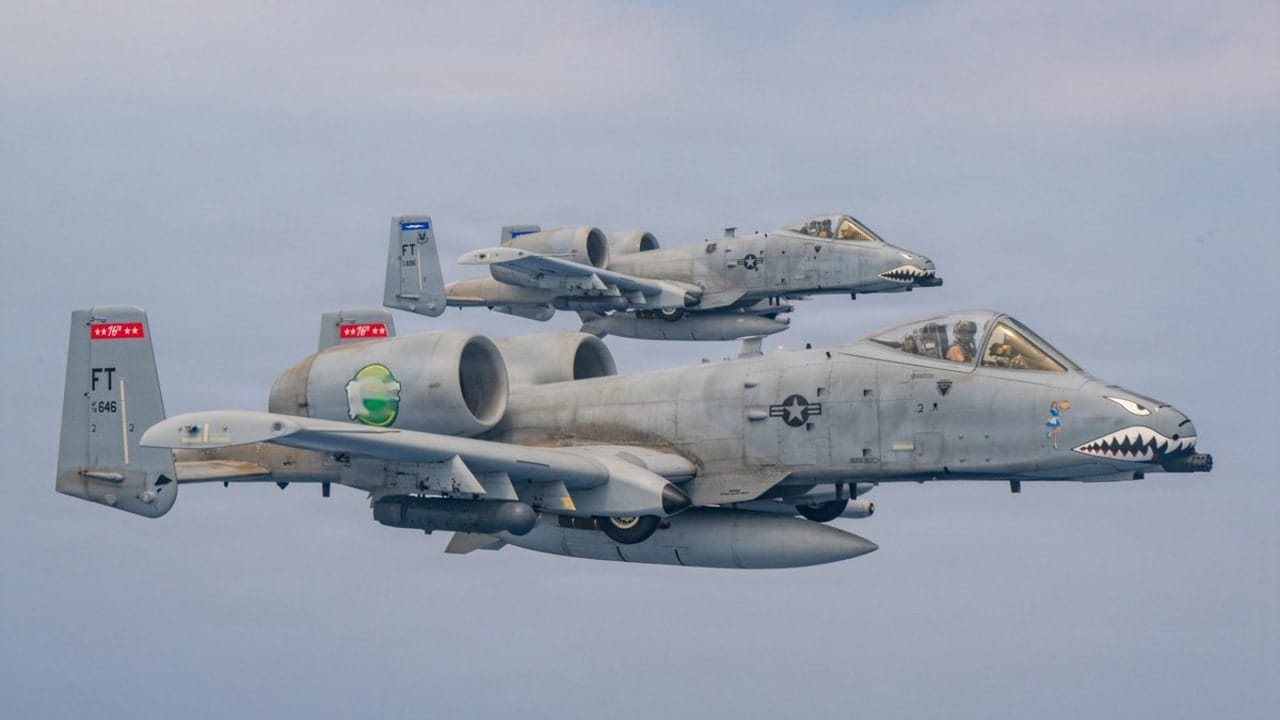
Iran-backed militias in Iraq have recently accused the United States of breaching Iraqi airspace, a claim made amidst escalating tensions between these militias and the Iraqi government. This tension stems from ongoing efforts to bring militia-operated weapons under state control, as reported by Rudaw.
Militia Claims and Statements
The Islamic Revolutionary Guard Corps (IRI), which supports the Iran-backed factions, has described the conflict as a righteous stand against what they perceive to be American and Israeli provocations. Past confrontations have seen these groups launch attacks against Israel, particularly during disputes such as the conflict in Gaza. Amid such backdrop, militias emphasize their allegiance to Iran, issuing statements as fears mount over a potential escalation of conflict with Tehran.
Government Initiatives and Opposition from Factions
Iraqi Prime Minister Ali al-Zaidi has been working to consolidate control over various militia factions, particularly following the official conclusion of the U.S.-led anti-ISIS coalition’s military operations on September 30. Under his stewardship, a plan has been set to enforce stricter controls on militia armaments, aiming for compliance by June 2027. Although some groups have shown willingness to cooperate, key factions such as Kataib Hezbollah and Harakat al-Nujaba remain resolutely opposed to disarmament.
The militias have also accused the Iraqi government of capitulating to U.S. interests, aggravated by recent measures like reducing commercial flights and closing borders with Iran. The IRI claims to have recorded numerous violations of Iraqi airspace by U.S. military jets, although independent verification of these claims remains absent.
Broader Regional Implications
As the situation evolves, the U.S. has issued warnings of increasing threats, not just from Iraq but also from Houthi rebels who are aligned with Iran. The U.S. State Department has updated its travel advisory, highlighting the risks to American citizens and businesses operating in Iraq. Armed groups are perceived as persistent threats, given their history of targeting U.S. interests through various means, such as drone attacks and improvised explosive devices.
These security concerns are compounded by the fact that Iran-backed factions still regard themselves as integral players in a larger geopolitical confrontation. As such, they assert their need to remain armed, creating friction with the Iraqi government’s efforts to establish order and restrict armed operations outside the state’s purview.
The Path Forward for Iraq
Despite these challenges, Prime Minister Zaidi remains adamant about nullifying armed factions operating beyond the government’s control. He has publicly expressed hopes of transforming Iraq into a state where military power is centralized within official security forces, akin to norms in other nations. This declaration captures the dual challenge of disarming militias while also preventing Iraq from becoming a battleground for intensified regional conflicts.
As the June 2027 deadline looms, it will be crucial for the Iraqi government to implement effective strategies to sync militia weapons with state authority, a task complicated by the influence of Iran and the legacy of the U.S. military presence in the region. The outcome will likely shape Iraq’s political landscape and its capacity to maintain stability in an increasingly volatile environment.