
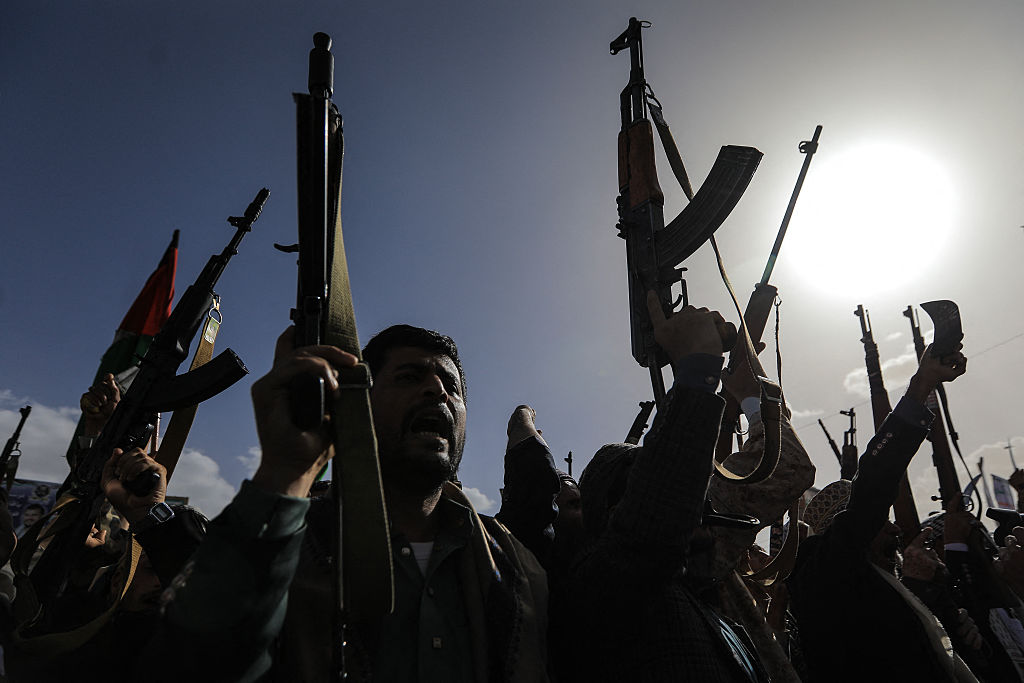
Introduction to Arbaeen Pilgrimage
The Arbaeen pilgrimage is a significant event for millions of Shiite Muslims. Each year, this spiritual journey attracts devotees to the holy cities of Karbala and Najaf in Iraq. Among the throngs of pilgrims, a concerning occurrence was reported recently involving several Iranian men who entered Iraq under dubious circumstances.
Understanding the Significance of Arbaeen
Arbaeen marks the end of the mourning period for the martyrdom of Imam Hussein, the grandson of the Prophet Muhammad. This pilgrimage occurs 40 days after Ashura, when Imam Hussein was killed in the Battle of Karbala. For Shiite Muslims, participating in Arbaeen is not merely a journey; it symbolizes a deep connection to their faith and the values of justice and sacrifice that Imam Hussein embodies. This annual event witnesses millions walking great distances, often for days, to reach the sacred sites where the martyr is buried. The pilgrimage serves as a powerful reminder of the principles of Islamic faith and the significance of standing against tyranny.
The Challenges of Pilgrimage Security
With the growing number of pilgrims, Iraq faces numerous challenges regarding security and safety. The influx of millions poses logistical concerns, but it also raises alarms regarding potential threats. Authorities must ensure the safety of participants while managing crowd control effectively. Recent reports of suspicious individuals, including Iranian men posing as escorts, have heightened concerns among officials and local communities. It is crucial to verify the identities and intentions of anyone entering the country during such a pivotal time. This vigilance is paramount to maintaining peace and security during the pilgrimage, ensuring that pilgrims can honor their traditions without fear.
The Role of Authorities in Ensuring Safety
In light of the potential threats, Iraqi authorities have ramped up security measures to protect pilgrims during Arbaeen. Enhanced checkpoints, surveillance, and collaboration with local and international agencies are part of these efforts. By establishing stringent vetting processes for entrants at border crossings, the Iraqi government aims to prevent any disruptions or acts that could endanger the pilgrims. Law enforcement is also on high alert to respond swiftly to any incidents that may arise. These initiatives aim to create a secure environment for pilgrims while allowing them to practice their faith freely and peacefully.
Conclusion: A Call for Awareness
As the Arbaeen pilgrimage draws near, awareness is more crucial than ever. The gathering of millions not only celebrates faith but also serves as a reminder of the need for vigilance against potential threats. While local and international efforts focus on ensuring the safety of pilgrims, it is essential for all participants to remain aware of their surroundings and report any suspicious activities to authorities. Through collective mindfulness and cooperation, pilgrims can partake in this sacred journey with a sense of security, ultimately upholding the honorable legacy of Imam Hussein while fostering a spirit of unity and peace.