
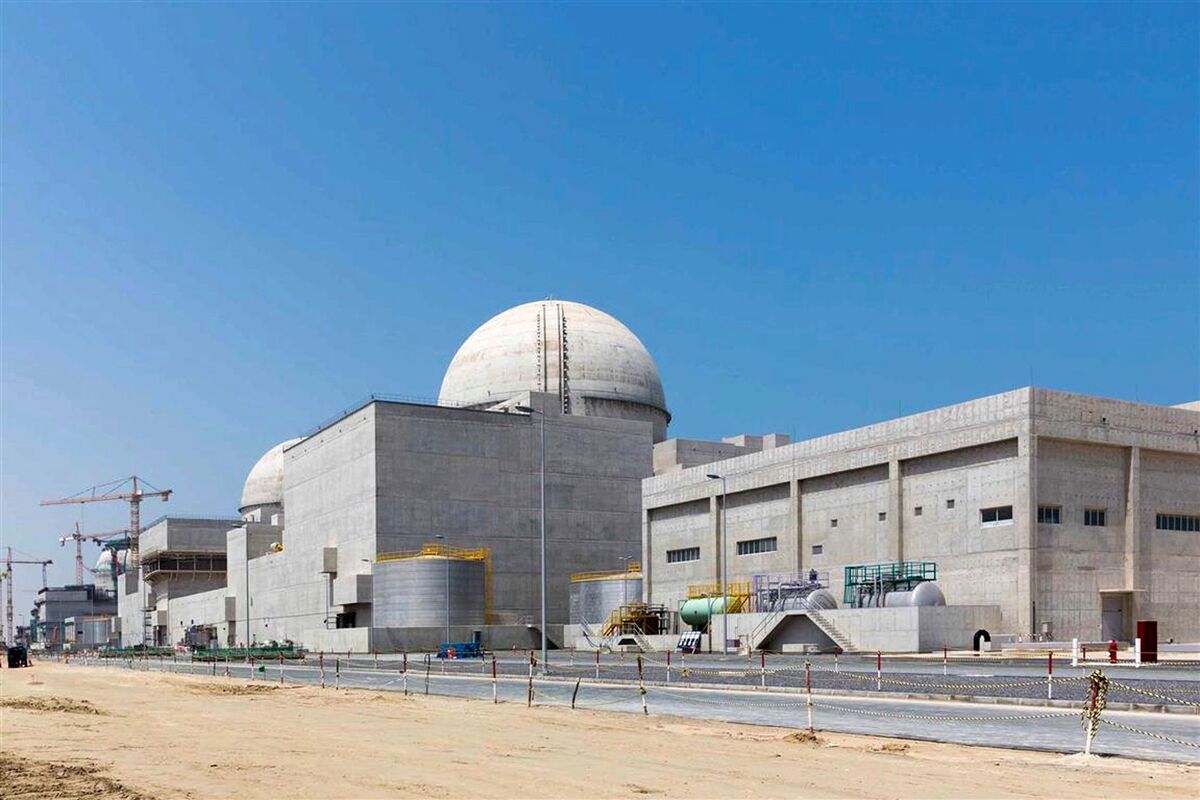
The recent assault on a nuclear facility in the United Arab Emirates has sparked extensive concerns regarding Iran’s possible response to any renewed military actions by the United States. Analysts emphasize the increasing involvement of Tehran-supported militias in Iraq, signaling a shift in the regional power dynamics.
Escalating Tensions in the Middle East
The geopolitical landscape in the Middle East has become increasingly volatile, particularly with the involvement of various state and non-state actors. The attack on the UAE’s nuclear power plant is not an isolated incident; it represents a broader pattern of escalating hostilities that could involve multiple players in the region. Iran has long been accused of using proxy forces, especially in Iraq, to extend its influence and conduct asymmetric warfare. As Iran continues to face pressure from the US and its allies, many experts believe these tensions are likely to boil over, resulting in unpredictable consequences.
Iran’s Proxy Militias in Iraq
Iranian-backed militias in Iraq play a crucial role in the country’s security landscape and in regional conflicts. These groups have been bolstered by political and military support from Tehran, giving them the capability to conduct operations that align with Iranian interests. As tensions between Iran and the US escalate, these militias may intensify their activities, serving as a tool for Iran to project power and retaliate without direct confrontation. Their involvement could complicate the situation further, as they may initiate attacks not just on US forces but on regional allies of the United States and others perceived as threats to Iranian interests.
The Broader Implications for Regional Security
The ramifications of these developments extend well beyond the immediate area of conflict. An unstable Iraq, coupled with aggressive actions from Iranian-backed groups, could have detrimental effects on the security of surrounding nations. The UAE, having already faced a direct attack, may feel compelled to bolster its own defenses or seek closer alliances with other powers in the region. Such a scenario might lead to an arms race or an increase in military engagements, escalating the situation further.
Moreover, the potential for conflict has far-reaching implications for global energy markets, tourism, and foreign investment in the region. Investors and governments are likely to watch closely as the situation unfolds, wary of the impact that escalating tensions could have on their interests. This uncertainty makes it a crucial point in Middle Eastern geopolitics, where even minor skirmishes can lead to significant global ramifications.
Conclusion: A Complex and Fragile Situation
In summary, the attack on a nuclear facility in the UAE is not merely a localized incident but rather a reflection of deeper geopolitical struggles involving Iran, the United States, and various non-state actors. The increasing role of Iranian-backed militias in Iraq further complicates this volatile scenario, with the potential for escalation posing risks to regional and global security. As nations navigate these treacherous waters, the need for diplomatic dialogue and conflict resolution becomes more critical than ever.