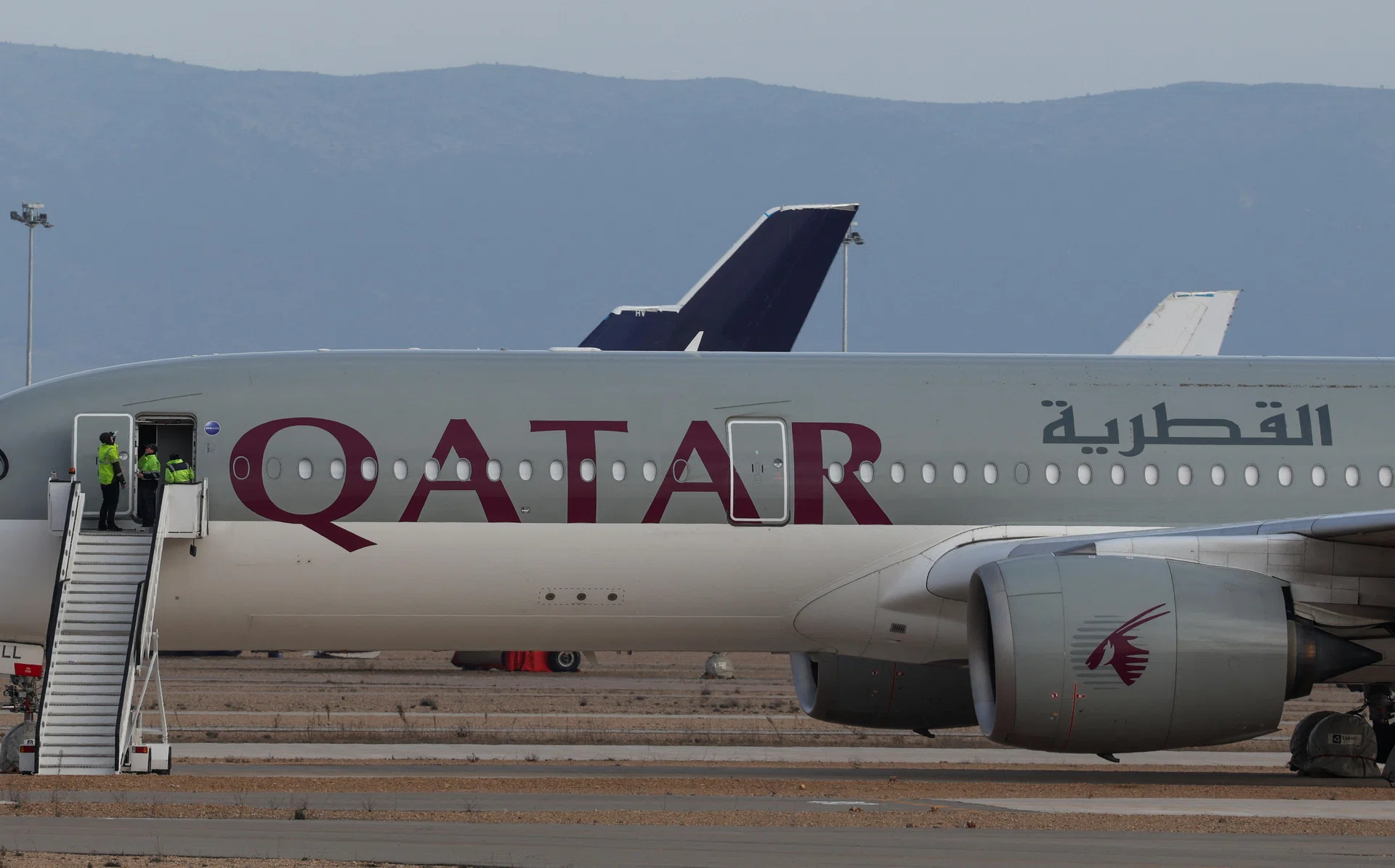
Qatar Airways has announced that it will not distribute bonuses to nearly 60,000 employees this year due to significant operational disruptions caused by the ongoing conflict in the Middle East. The airline has been heavily affected by the recent US-Israel war on Iran, leading to the cancellation of tens of thousands of flights and resulting in substantial financial losses.
Impact of Geopolitical Turmoil
A memo shared with staff indicated that the current geopolitical climate in the Middle East has had a profound effect on Qatar Airways. The carrier deemed it crucial to prioritize long-term stability as uncertainties loom. This strategic decision reflects the airline’s commitment to navigating these challenges while safeguarding its workforce’s future. Unlike other carriers that have also reduced bonus payouts, Qatar Airways stands out for the magnitude of its cuts.
Operational Setbacks and Financial Struggles
Operational data from Flightradar24 reveals that Qatar Airways is currently running less than 60% of its normal flight schedule. This drastic reduction in operations has contributed to a 10% drop in profits, amounting to 7.08 billion riyals (approximately S$2.5 billion) in the last fiscal year. As a response to these challenges, the airline has sought various cost-saving measures, including negotiating with aircraft lessors to postpone or reduce rental payments.
The airline has spent decades establishing its reputation in global aviation, akin to Dubai’s Emirates. Doha has been developed into a key hub for international travelers. However, the sudden disruptions have drastically impacted this framework, stranding thousands of passengers and immobilizing hundreds of aircraft.
Bonus Distribution Trends Across Airlines
Typically, Qatar Airways offers bonuses that range from a few weeks of pay for non-managerial employees to several months for senior executives. However, this year marks a deviation from that trend, as bonuses will not be distributed at all. In contrast, Emirates has also reduced bonus payments, while Singapore Airlines reportedly issued bonuses equivalent to around 22 weeks of salary for their staff.
As the new CEO, Hamad Ali Al-Khater, faces this unprecedented crisis, he must manage the repercussions of grounded aircraft and displaced crews while navigating severe airspace closures. This situation represents one of his first major challenges since taking the helm a few months ago, as he aims to keep the airline afloat amidst significantly reduced operations.
Navigating Uncertain Waters
The ongoing airspace closures are unprecedented, yet Qatar Airways has experience in dealing with sudden disruptions. The airline previously faced a similar crisis in 2017, when neighboring countries severed ties with Qatar, forcing it to modify its flight routes dramatically. This history may provide valuable lessons as the airline attempts to adapt to the ongoing geopolitical situation.
In these trying times, maintaining operational resilience while continuously adapting to an ever-changing landscape will be crucial for Qatar Airways. The company’s leadership understands that navigating these waters requires strategic foresight, decisive action, and a focus on long-term goals. As the airline works to stabilize operations, all eyes will remain on the management’s moves and the potential implications for its workforce.