
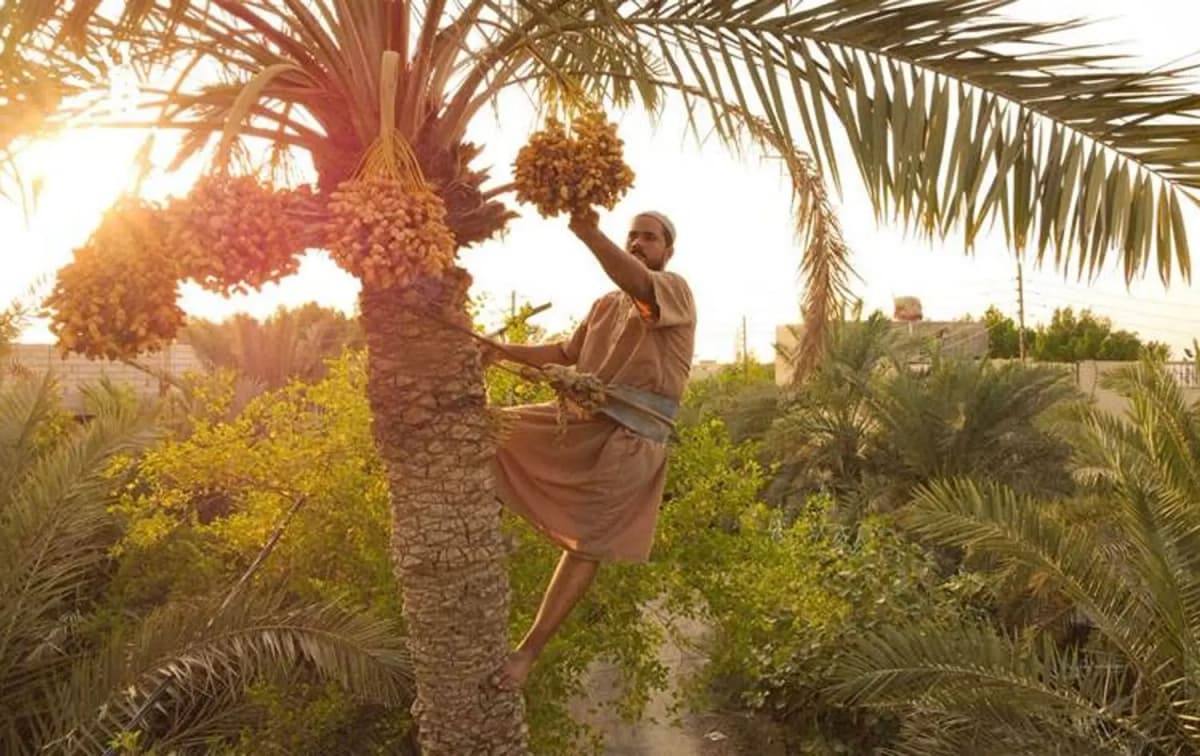
Erbil, located in the Kurdistan Region of Iraq, has made significant strides in achieving self-sufficiency in date production. This year, the region plans to exceed a remarkable yield of 850,000 tonnes. According to a senior official from the agriculture ministry, this achievement is a crucial step for the local economy, coinciding with efforts from Baghdad to restore the country’s historical record of 32 million date palms, a number that has drastically fallen in recent decades due to various conflicts.
Growth in Date Production
The agriculture sector in Iraq is reportedly seeing a resurgence, with the “Zahdi” variety of dates accounting for a significant portion of this year’s yield. Qusay Hattab, a spokesperson for the Iraqi agriculture ministry, shared that Iraq’s date palm population declined from 32 million in better times to about 12 million post-2003. As a result of dedicated ministry efforts, that number has recently increased to 22 million. This restoration aims not only to regain numbers but also to enhance Iraq’s reputation as a leading date producer globally.
Challenges and Historical Declines
The sharp decline of Iraq’s date palms can be traced back to a series of wars that devastated the agricultural landscape. Environmental factors, such as salinity and droughts, along with military conflicts, have damaged many fertile regions. The Iranian-Iraqi War caused severe destruction, particularly in southern Iraq, where large numbers of date palms were lost to conflict. As the country continues to recover from such devastation, the importance of rehabilitating the agricultural sector cannot be overstated.
Government Initiatives
In January, the Iraqi government launched the “One Country, One Priority Product” initiative, designating date palms as a focal point for agricultural revival. This program aims to improve sustainable production, processing, and market access. As a part of this initiative, efforts will be made to boost export competitiveness while ensuring that production methods are sustainable for future generations.
Future Prospects and Export Plans
Iraq has set ambitious goals for itself, including a projected output of 650,000 tonnes of dates for the upcoming year. Officials believe that with Iraq’s rich genetic diversity—housing over 600 varieties of dates—there’s considerable potential to expand both local and international markets. In the southern Karbala province, projections indicate a harvesting of 220,000 tonnes from more than three million date palms this year, further underscoring the opportunity for growth.
The revitalization of Iraq’s date industry is more than an agricultural endeavor; it symbolizes the country’s resilience and commitment to overcoming historical challenges. By focusing on sustainable practices and fostering economic opportunities, Iraq is poised to reclaim its place among the world’s foremost date producers, benefiting both its economy and its rural communities. Through strategic planning and government support, this ancient fruit could once again flourish, offering hope for a better agricultural future.