
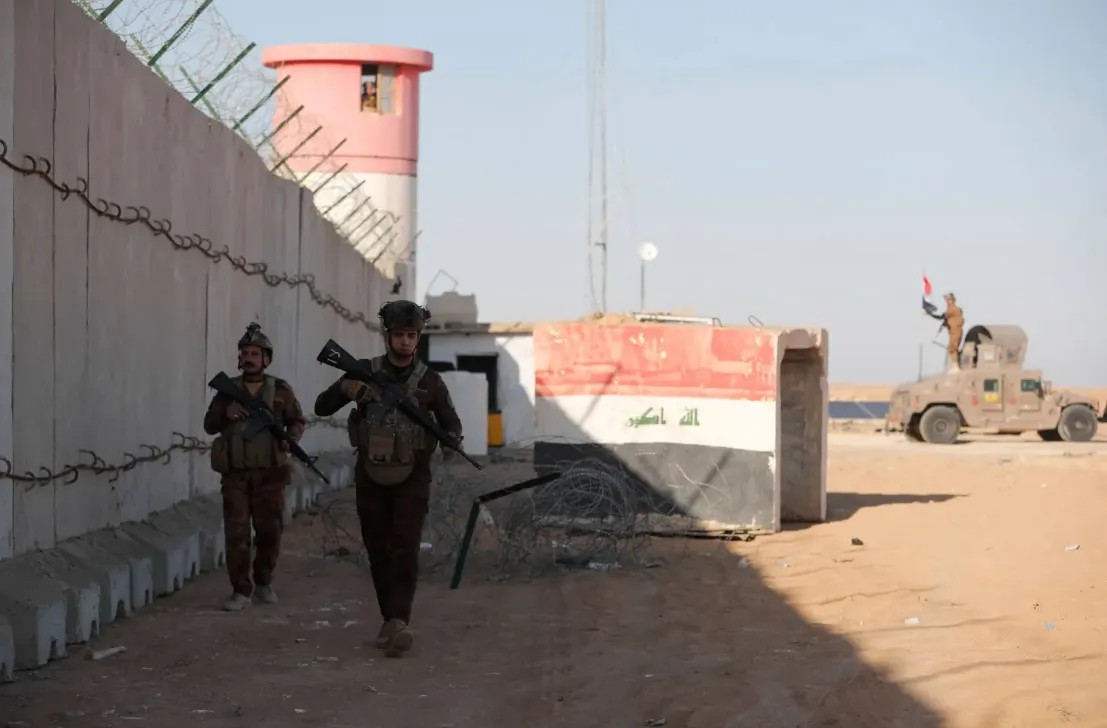
Iraq has declined Syria’s plea to return thousands of alleged ISIS affiliates who were recently moved from Syrian detention facilities to Iraqi control. This decision was confirmed by a senior Iraqi security figure, shedding light on ongoing regional security concerns.
Background of the Transfer
Earlier this year, a significant number of individuals suspected of having affiliations with ISIS were transferred from various detention centers in Syria to Iraq. This move was part of a broader strategy to address the threat posed by ISIS remnants in the region. The changing landscape of security prompted both Iraq and Syria to reconsider their approach to handling these prisoners. Nonetheless, a recent meeting involving officials from Syria, Iraq, and the United States aimed to discuss the future of these detainees, emphasizing the complexities of managing their status.
Iraq’s Position on Repatriation
Iraq’s decision to refuse the repatriation request underscores its commitment to national security and the challenges it faces in dealing with the remnants of ISIS. Iraqi National Security Advisor Qasim al-Aboudi’s announcement reflects a cautious approach to managing potential threats within its borders. He noted that Iraq is not in a position to accept the return of these prisoners without a thorough evaluation of their implications. This stance aligns with the broader regional strategy to combat extremist ideologies and maintain stability.
Implications for Regional Security
The rejection of Syria’s request has broader implications for regional security dynamics. With ISIS still persisting as a threat in various forms across the Middle East, the handling of these prisoners plays a crucial role in the security strategies of neighboring nations. Iraq’s firm stance reinforces its efforts to prevent a resurgence of extremist activities and highlights the difficulties in coordinating a multilateral approach to counter-terrorism.
Future Considerations
Moving forward, the situation regarding these ISIS affiliates remains complex. The collaboration between Iraq, Syria, and the United States is essential for addressing the underlying issues related to regional security and the ongoing influence of terrorist groups. As the nations involved seek to navigate these challenges, the fate of the detainees will likely continue to be a critical point of contention. The need for comprehensive strategies to rehabilitate or appropriately manage these individuals is more apparent than ever to ensure lasting peace and stability in the region.