
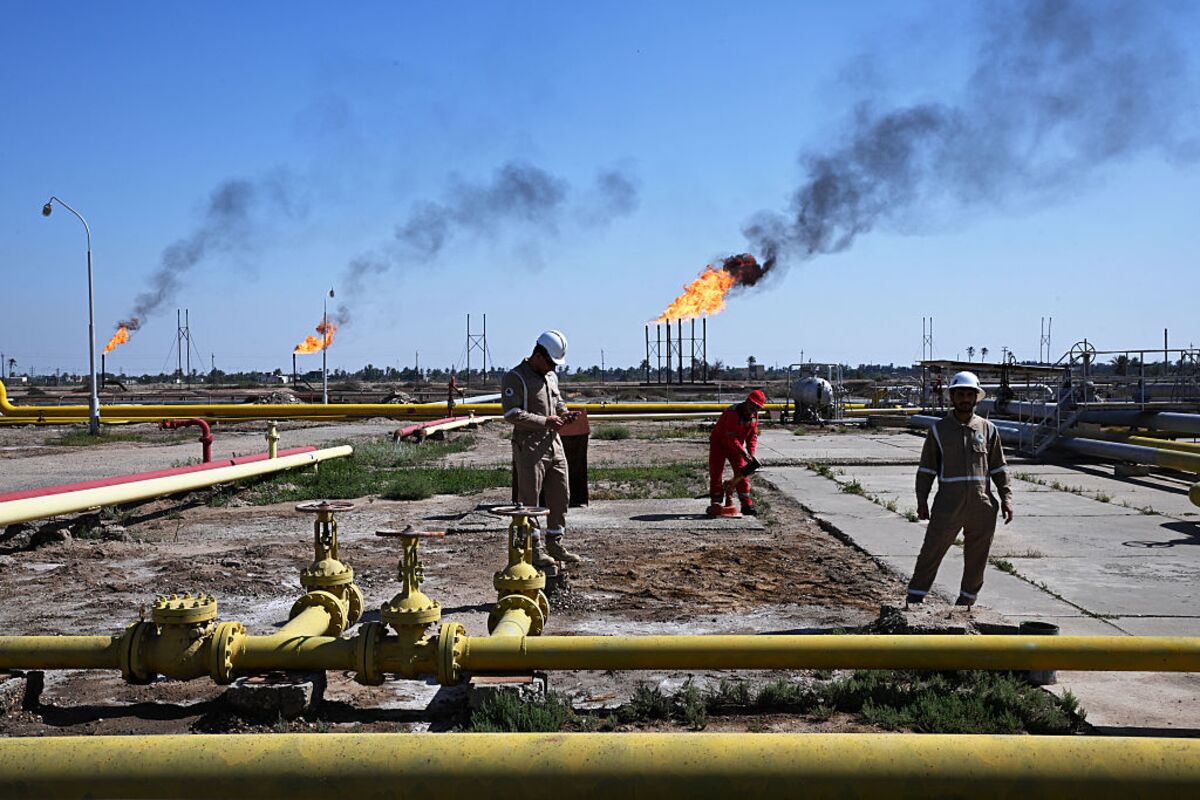
Iraq is currently facing a critical economic challenge that could impact its ability to pay public salaries next month. As the second-largest producer within OPEC, the nation is particularly vulnerable to changes in international shipping routes, particularly the Strait of Hormuz. Foreign Minister Fuad Hussein has raised alarms regarding this situation, highlighting the potential consequences for the Iraqi economy and public sector employees.
Iraq’s Economic Dependency on Oil Exports
Iraq’s economy heavily relies on oil exports, which account for a significant portion of the country’s revenue. The ability to deliver oil to global markets is crucial for maintaining financial stability. The Strait of Hormuz is a key maritime route through which a substantial percentage of the world’s oil supply is transported. Any disruptions in this vital corridor could severely hamper Iraq’s economic activities. As a result, the government could face immense difficulties in fulfilling its payroll obligations to public workers, which could create social unrest and further complicate the nation’s economic woes.
Potential Implications of a Closed Strait of Hormuz
If the Strait of Hormuz remains closed, Iraq may encounter several adverse effects beyond just delayed salary payments. The closure could lead to heightened oil prices on the international market, affecting consumers and corporations alike. Additionally, it might prompt foreign investors to reconsider their positions in Iraq, fearing reduced access to oil exports. Such a scenario could deter essential foreign investment, causing further delays in infrastructure projects and economic recovery efforts.
The Role of International Relations
Iraq’s pathway to resolving this crisis is significantly tied to its international relationships. Many countries rely on Iraqi oil, and diplomatic engagements could play a crucial role in reopening channels through the Strait of Hormuz. Strengthening ties with global powers and neighboring nations may help alleviate economic pressures. Public discussions about enhancing partnerships could also contribute to stabilizing the local economy, ensuring public salaries and other vital services continue uninterrupted.
Future Outlook for Iraq’s Economy
As the situation evolves, it’s clear that Iraq must navigate these treacherous waters carefully. The nation’s leaders will need to adopt a proactive strategy to mitigate risks associated with oil supply disruptions. Diversifying the economy, reducing dependency on oil, and implementing robust fiscal policies will be essential for long-term sustainability. The government must prioritize measures that safeguard its ability to meet fiscal commitments, ensuring that public sector employees receive timely salaries and maintain a semblance of economic stability in these uncertain times.
In summary, without decisive action and effective negotiating, Iraq may grapple with severe economic challenges due to potential disruptions in oil supply through the Strait of Hormuz. Public salaries are at stake, underscoring the urgent need for policy intervention and strategic planning to secure the nation’s financial future.