
Understanding Recent Missile Attacks on Israel
In recent events, the tension in the Middle East has escalated significantly. The latest round of missile assaults targeted Israel, a development that raises alarms on a global scale. Many are left wondering about the implications and reasons behind these aggressive actions, particularly in the context of ongoing regional conflicts.
Context of the Missile Attacks
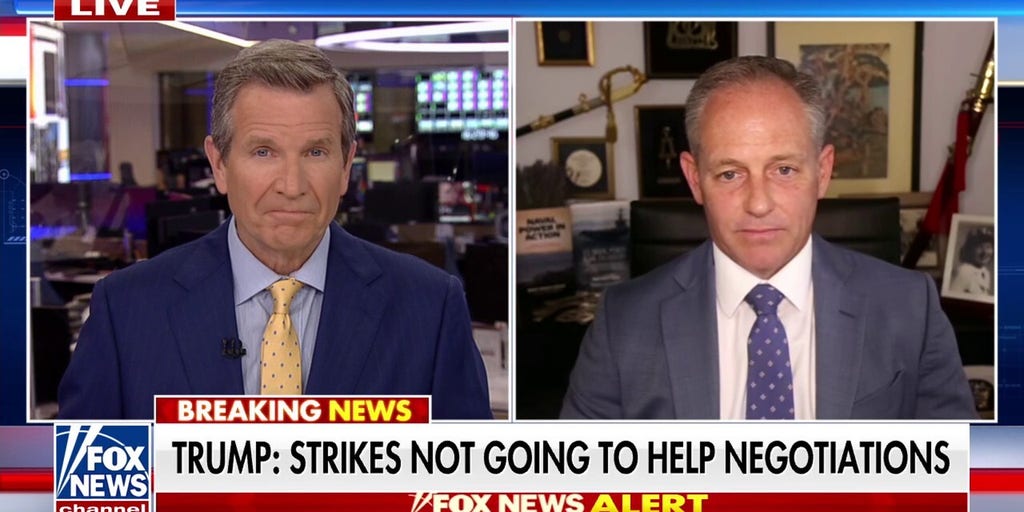
Former Pentagon officials, such as Retired Navy Captain Brent Sadler, have analyzed these attacks in various media appearances. He outlines that Iran executed four distinct waves of missile strikes aimed at Israel, a tactic that indicates a strategic and calculated move rather than random aggression. These strikes reflect deeper geopolitical ambitions and highlight the ongoing volatility in the region.
The backdrop of these developments is essential for understanding their significance. Tensions have been simmering between Iran and Israel for decades, fueled by political disagreements, territorial disputes, and historical animosities. Israel’s concern for its security is heightened by Iran’s nuclear ambitions and its support for proxy groups across the region. The recent missile attacks further exacerbate these concerns, leading to heightened military readiness in Israel.
The Strategic Implications for Israel
For Israel, the missile attacks not only pose a direct threat but also represent a wider challenge in maintaining regional stability. The nation has long been on high alert, especially given its contentious relationship with Iran. The barrage of missiles serves as both a military challenge and a psychological warfare tactic aimed at instilling fear.
Israel’s defense mechanisms, particularly the Iron Dome missile defense system, play a crucial role in counteracting such threats. This advanced technology has successfully intercepted numerous missiles, minimizing potential damage. However, the repeated nature of these assaults calls for a reassessment of Israel’s strategies, both in terms of immediate defense and long-term geopolitical tactics.
Global Reactions and the Broader Impact
The international community’s response to these missile strikes has varied, with some nations condemning the attacks while others remain silent or supportive of Iran’s actions. This dichotomy reflects the complex alliances and rivalries that characterize Middle Eastern politics. The ongoing tensions not only impact Israel but also have ramifications for U.S. foreign policy and global stability.
Countries monitoring the situation are grappling with how to respond effectively. Support for Israel is often balanced by the need for diplomatic engagement with Iran to prevent further escalation. As these developments unfold, the world watches closely for any changes in strategy or alliances that could arise from this tumultuous scenario.
In summary, the recent missile attacks launched by Iran on Israel signify a crucial turning point in Middle Eastern dynamics. Understanding the broader context and implications of these actions is essential for grasping the complexities of regional politics. The need for nuanced strategies that incorporate diplomatic, military, and economic considerations has never been more urgent.