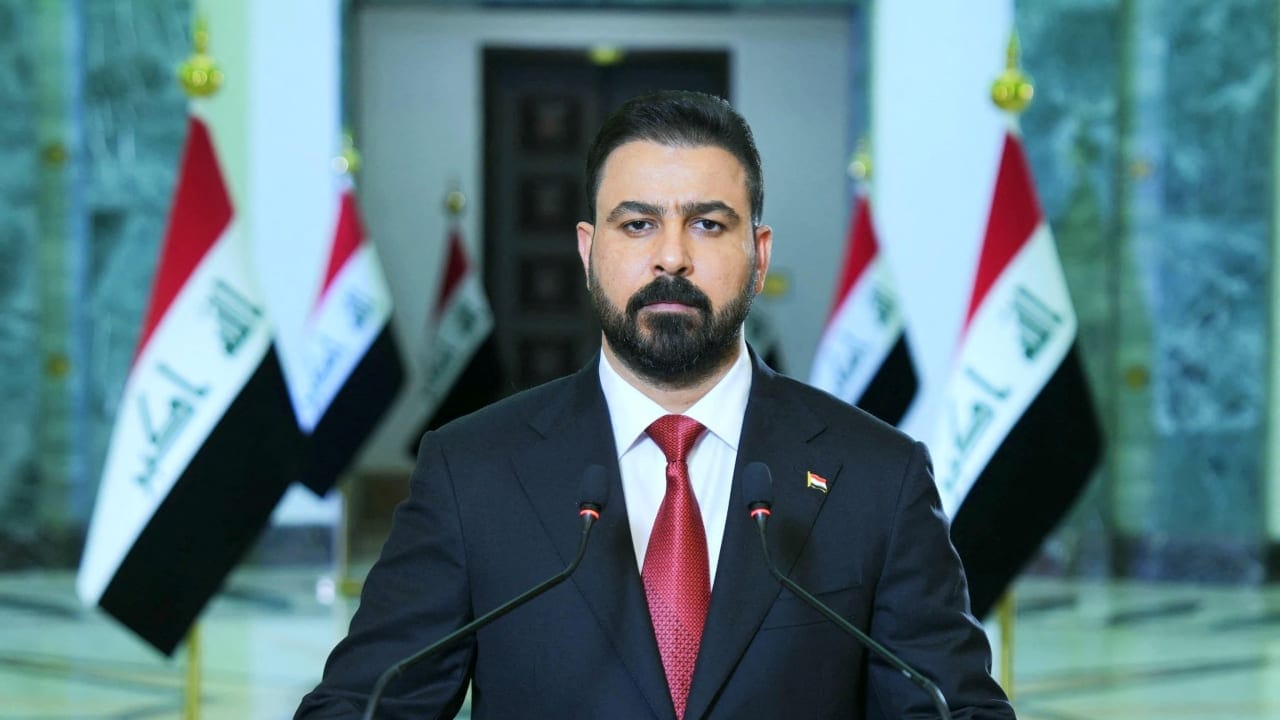
Iraq is actively seeking solutions to address its ongoing tensions with Iranian-backed militias. This initiative involves reaching out to neighboring countries, particularly Syria and Saudi Arabia, as political and military instability continues to impact the region. Reports indicate that the Iranian-supported Badr Organization is resisting efforts to regulate these militias. In an attempt to restore order, Iraq is proposing legislation aimed at placing militia arms under government control by the end of September.
Geopolitical Alliances in the Region
The significance of Iraq’s diplomatic maneuvers is heightened by the forming alliances between its neighbors. Saudi Arabia, Turkey, and Pakistan have recently strengthened their cooperative engagements, thus placing Iraq in a critical position amid these developments. With its geographical location bordering these powers, Iraq’s future relies increasingly on its external relationships, particularly with those nations perceiving a more stringent stance against militias.
In recent events, Iranian-backed militias have been involved in aggressive actions targeting Saudi Arabia, provoking responses from both the United States and the Saudi government. Following threats of renewed attacks from the militias, Baghdad is prioritizing diplomatic outreach, exemplified by a recent meeting between Iraqi and Syrian leaders aimed at fostering judicial collaboration to tackle issues related to ISIS detainees. Such engagements underscore the urgency Iraq faces in mitigating militia threats while strengthening international ties.
Strengthening Judicial Collaboration
The meeting in Damascus between Iraq’s Supreme Judicial Council President and Syria’s interim President, Ahmed al-Sharaa, reflects a broader strategy to enhance legal cooperation between the two nations. Discussions have centered on shared concerns about governance and justice, which are particularly pertinent given the ongoing issues with ISIS and regional security. Iraq aims to develop robust mechanisms for judicial cooperation, equipping both countries with tools necessary to confront mutual challenges effectively.
Furthermore, the arrival of an Iraqi security delegation in Saudi Arabia indicates a proactive approach to addressing security concerns. Headed by Abdul-Amir al-Shammari, the delegation’s discussions are expected to tackle pressing security issues and the potential fallout from militant actions that have threatened regional stability. This diplomatic visit underscores Iraq’s commitment to stronger ties with its neighbors and a unified stance against militias.
The Crucial Role of Iraqi Militias
However, Iraq’s Prime Minister, Ali al-Zaidi, faces the daunting task of balancing the influence of Iran-backed militias and pressures from Western allies. With Iranian Revolutionary Guards intensifying their influence, particularly through figures such as Esmail Qaani, the complexities of disarming these militias become apparent. This precarious reality places Iraq in a strategic bind, where appeasement may lead to regional isolation and further insecurity.
Militia threats against U.S. forces and regional interests have a long history, raising alarms over Iraq’s capacity to maintain stability. Iraqi leaders recognize that ongoing provocations from these armed groups endanger Baghdad’s international relationships and could hinder collaborative efforts within the region. Recent engagements highlight the need for decisive action to curb militia-driven instability, as failing to do so risks further alienation from potential allies like Saudi Arabia and Turkey.
Conclusion: A Unified Front Against Militias
Looking ahead, Iraq’s leadership must navigate intricate regional dynamics while addressing the militia crisis. The legitimacy of Iraqi governance hinges on the effective dissolution of militia power, something that Iraq’s Prime Minister and his administration are keenly aware of. Establishing new alliances and revitalizing existing partnerships is essential in preventing future conflicts and fostering a cohesive political landscape. Without concrete measures to tackle militia influence, Iraq risks exacerbating tensions and jeopardizing its regional standing. The coming months will be crucial for Iraq, as it must demonstrate its commitment to reclaiming authority and ensuring peace within its borders.