
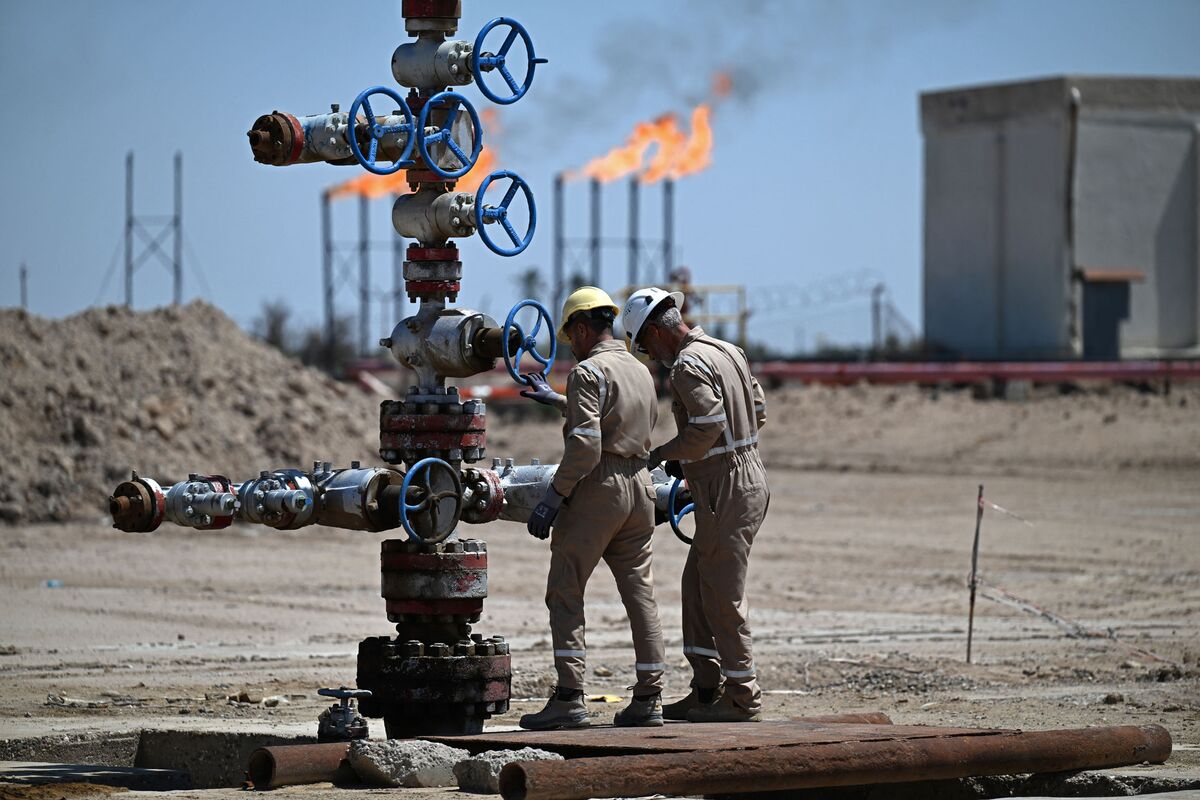
Iraq is currently enticing term buyers with substantial discounts for crude oil scheduled for loading this month. However, these tankers will face the challenge of navigating through the Strait of Hormuz amid increasing regional tensions and hostilities.
The Current Situation in Iraq’s Oil Market
Amid fluctuating global demand, Iraqi producers are providing attractive prices for their crude oil. This strategy aims to stimulate sales and secure consistent revenue flows, particularly as the market grapples with volatility. The discounts on shipments present a unique opportunity for buyers looking to capitalize on lower rates. However, the logistics of transporting this oil come with their own set of risks, especially concerning regional stability in the Persian Gulf.
Challenges of Navigating the Strait of Hormuz
The Strait of Hormuz, a vital shipping channel, has become increasingly contested due to escalating tensions between various geopolitical factions. This narrow passage, through which a significant portion of the world’s oil supply is transported, poses substantial risks for tankers engaging in the collection of Iraqi crude. The maritime security situation is precarious, making the journey fraught with potential dangers, including threats from ongoing military conflicts and political tensions.
Additionally, the rising costs associated with ensuring the safety of vessels navigating through these contentious waters may counterbalance the discounts offered by Iraqi suppliers. Tanker operators must weigh the financial benefits of purchasing oil at lower costs against the heightened operational hazards and potential for significant delays.
Implications for Global Oil Supply
These developments in Iraq can have broader implications for the global oil supply chain. If buyers take advantage of the discounts despite the risks, it may lead to increased volumes of Iraqi crude entering international markets. However, this influx can be unpredictable due to the aforementioned challenges, making forecasting difficult for industry analysts.
Moreover, if tensions escalate further, it could result in a reevaluation of shipping routes and strategies. This, in turn, may shift global oil prices as supply dynamics become more complex. Buyers and investors must remain alert to the changing geopolitical landscape, which heavily influences market conditions.
Conclusion: Weighing Risks and Rewards
In conclusion, while Iraq’s substantial discounts on crude oil present an enticing opportunity for term buyers, the complexity of collecting these shipments cannot be overlooked. Navigating through the Strait of Hormuz carries significant risks, and buyers must consider the implications of regional instability on their operations. For stakeholders in the oil market, balancing the allure of reduced prices against the backdrop of geopolitical uncertainties will be crucial in the coming weeks and months. As the situation evolves, companies will need to adopt agile strategies to respond to the ever-changing risks and opportunities within the oil market.