
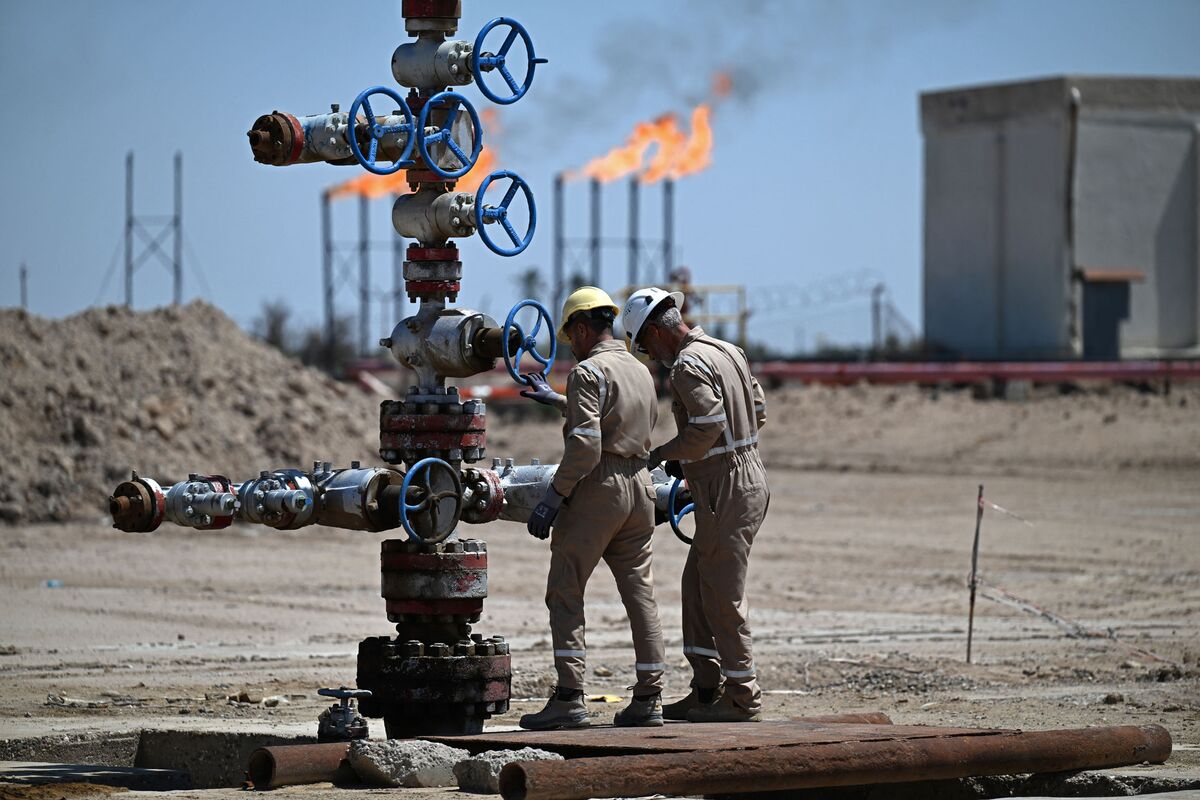
Iraq is presenting substantial discounts to its term buyers for crude oil shipments scheduled for this month. However, the process comes with challenges as tankers need to navigate the Strait of Hormuz to pick up the oil, all while tensions in the region rise.
Significant Discounts for Crude Oil Buyers
Iraq’s decision to offer considerable price reductions can be attributed to a combination of factors, including a desire to boost exports and stimulate demand amidst fluctuating global oil prices. This strategic move aims to attract buyers who might be wary due to the volatile market conditions currently affecting oil transactions. The discounts are a direct response to Iraq’s need to maintain its foothold in the competitive oil landscape, encouraging long-term partnerships even amidst uncertain geopolitical climates.
Challenges in the Strait of Hormuz
However, the crude oil shipment process is not without its complications. The Strait of Hormuz is a crucial navigational route that connects the Persian Gulf to the wider Arabian Sea, and it has historically been a hotspot for conflicts and military activity. As tensions escalate in the surrounding areas, the safety of tankers traveling through this passage is a growing concern for both shipping companies and oil buyers. Navigating these waters is risky, and any disruptions can impact the timely delivery of crude oil.
Safety Protocols for Tankers
In light of these challenges, shipping companies must adopt enhanced safety protocols to mitigate risks. This involves thorough pre-voyage assessments, training for the crew on handling potentially dangerous situations, and the implementation of real-time tracking systems. While Iraq’s attractive pricing may lure buyers, the associated risks of traversing the Strait of Hormuz cannot be overlooked. Consequently, buyers need to weigh the benefits of achieving discounted oil against the potential for disruptions during transit.
The Bigger Picture for Iraq’s Oil Exports
Despite the obstacles posed by the region’s security situation, Iraq remains focused on enhancing its oil exports to lift its economy. By securing reliable buyers who understand the risks involved, Iraq seeks to stabilize its oil revenue—a critical component of its national income. The continued push for exports, even under challenging conditions, highlights Baghdad’s commitment to maintaining its oil production levels and ensuring that its crude reaches international markets.
In conclusion, while Iraq’s significant discounts on crude oil may attract buyers looking for competitive rates, the complexities involved in transporting the oil through regions like the Strait of Hormuz cannot be understated. Buyers must carefully assess the risks while recognizing the potential benefits of engaging in long-term partnerships with Iraq, particularly in a market characterized by volatility and uncertainty.