
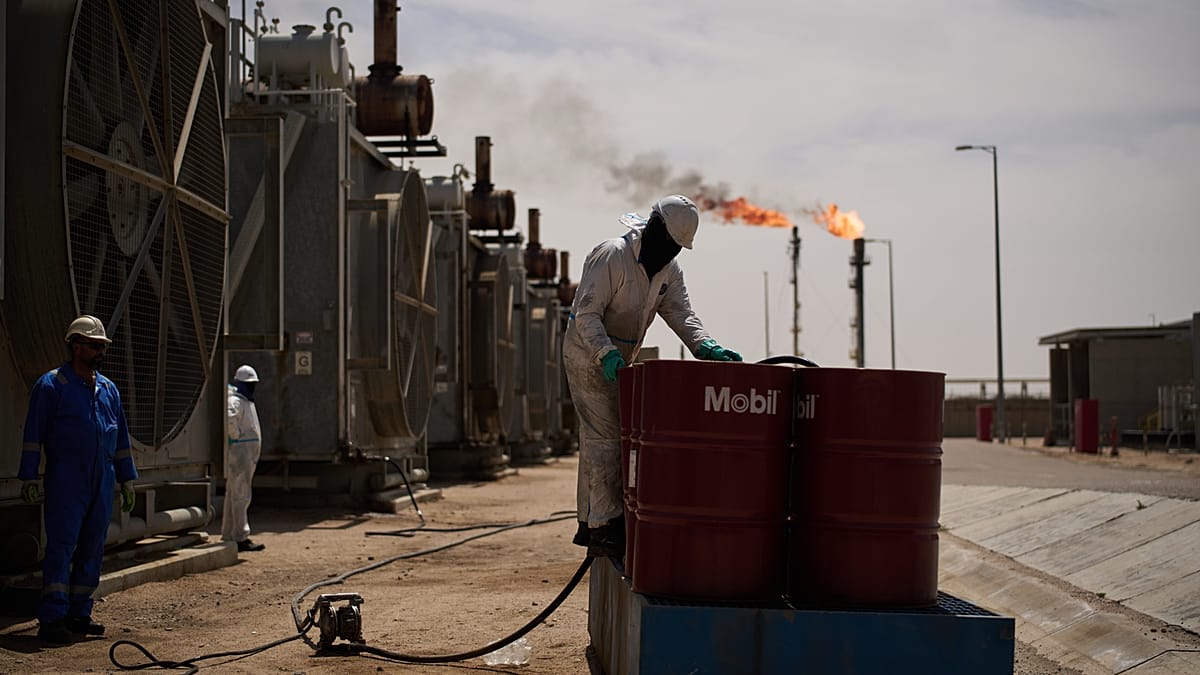
Iraq, a nation steeped in rich cultural heritage and natural wealth, stands out due to its significant oil reserves. With approximately 145 billion barrels, Iraq holds the fifth-largest proven oil reserves globally. This figure constitutes about 17% of the total oil reserves in the Middle East and roughly 9% of the world’s reserves, as reported by the US Energy Information Administration (EIA). This wealth of oil not only plays a crucial role in the country’s economy but also positions Iraq as a key player in the global energy market.
The Significance of Iraq’s Oil Reserves
Iraq’s oil reserves are not just a statistic; they are the backbone of its economy. Despite years of turmoil and conflict, the oil sector has remained a vital source of income and employment for millions of Iraqis. The country relies heavily on oil exports to finance its government budget and support infrastructure development. With a growing demand for energy worldwide, Iraq’s vast reserves present opportunities for both domestic growth and international collaboration, ensuring its continued relevance in global energy discussions.
Challenges in Oil Production
While Iraq’s oil reserves offer immense potential, the country faces significant hurdles in fully harnessing this wealth. Infrastructure challenges, ongoing security concerns, and political instability impact production rates and overall efficiency. Moreover, aging oil fields require modernization and investment to boost output. The government’s efforts to attract foreign investment are crucial in addressing these issues, as international partnerships can bring in the necessary technology and expertise to enhance productivity and ensure sustainable growth in the oil sector.
Future Prospects for the Iraqi Oil Industry
Looking ahead, Iraq has the potential to significantly increase its oil production and exports. With advancements in technology and a renewed focus on developing its oil sector, the country could enhance its capacity to meet the growing global energy demand. The Iraqi government has been actively working on strategies to modernize infrastructure and streamline regulations to attract foreign investors. By fostering a more stable political environment, Iraq can position itself as a reliable energy supplier on the global stage.
Environmental Considerations and Sustainability
As Iraq seeks to expand its oil capabilities, it is essential to address the environmental implications of increased production. The oil industry is often associated with ecological challenges, such as oil spills and greenhouse gas emissions. By prioritizing sustainable practices, the Iraqi government can mitigate the negative impacts of oil extraction. Efforts to invest in cleaner technologies and renewable energy sources will enhance the country’s long-term energy strategy, balancing economic growth with environmental responsibility.
In conclusion, Iraq’s vast oil reserves present both an opportunity and a challenge. The road ahead involves navigating complex political, economic, and environmental landscapes. However, with strategic investments and a commitment to sustainable practices, Iraq can successfully harness its oil wealth to foster growth and ensure a stable future in the global energy market.