
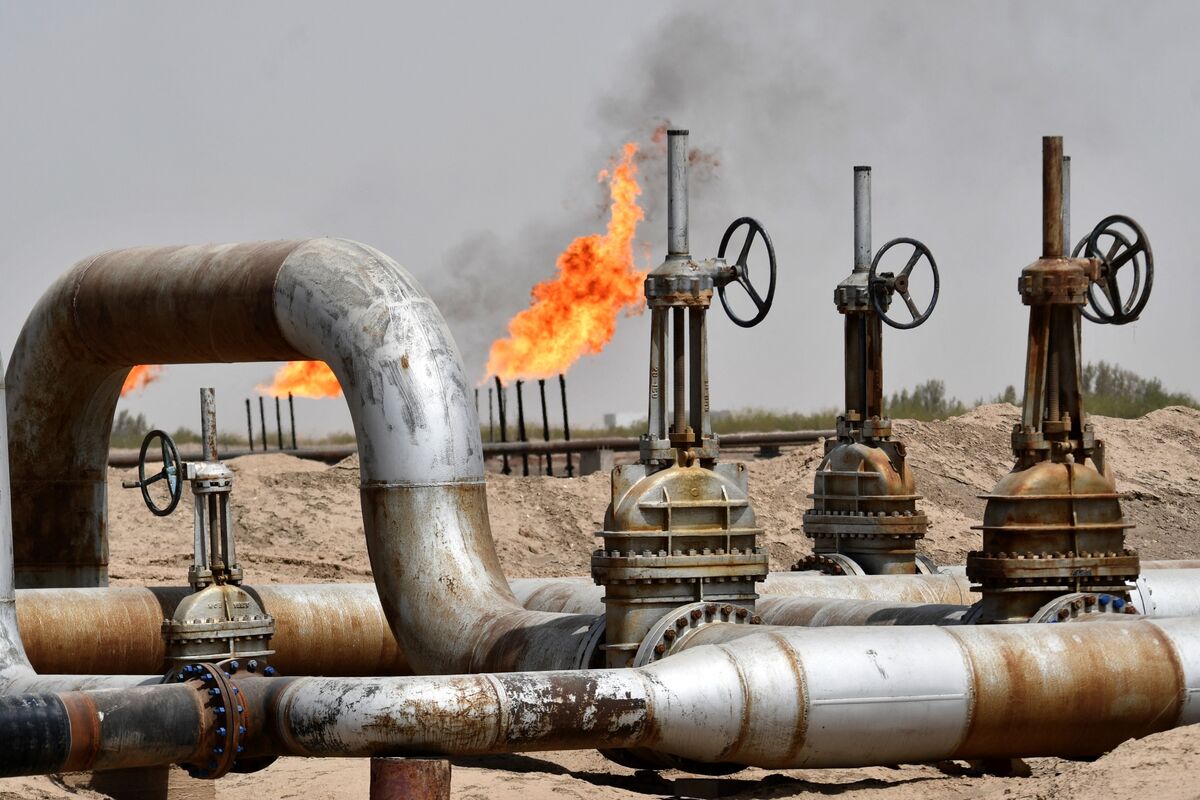
Iraq is poised to enhance its energy infrastructure by finalizing an agreement with Syria aimed at constructing pipelines. This development will provide a crucial link between oil production sites in Iraq and global export markets via the Mediterranean, a strategic move to bolster trade and economic relations in the region.
Strategic Importance of the Pipeline Agreement
The proposed pipeline network represents a significant milestone for both Iraq and Syria, as it promises to facilitate the transportation of crude oil to international markets. By enhancing the connection between the oil-rich regions of Iraq and the Mediterranean shores, the initiative aims to streamline the export process and reduce reliance on less efficient routes. This project is particularly vital given the increasing global demand for energy resources, as it allows Iraq to tap into potential new revenue streams.
The collaboration between Iraq and Syria is expected to foster a stronger bilateral relationship, paving the way for future investments and energy partnerships. By coordinating efforts in the energy sector, both countries can work towards mutual benefits, enhancing their roles in the geopolitical landscape of the Middle East. The successful implementation of the pipeline will not only increase oil exports but also create job opportunities and stimulate economic growth in both nations.
Economic Impact and Regional Stability
The construction of these pipelines is likely to generate significant economic benefits for both Iraq and Syria. Increased oil exports can lead to higher revenues for the governments, which can be reinvested into public services and infrastructure development. This is particularly crucial for Iraq, which has faced economic challenges in recent years due to internal conflicts and fluctuating oil prices.
Moreover, enhanced energy cooperation between Iraq and Syria can contribute to regional stability. As both countries work together on energy projects, they can potentially mitigate tensions and foster a more collaborative environment. This partnership could serve as a model for other nations in the region, highlighting the benefits of cooperation over conflict in addressing common challenges.
Challenges Ahead
Despite the promising outlook, the journey towards finalizing this agreement is not without its hurdles. Political instability and security issues in both Iraq and Syria could pose risks to the successful implementation of the pipeline project. Additionally, international reactions to the agreement may vary, especially given the complex geopolitical dynamics in the Middle East.
Furthermore, logistical challenges in constructing the pipeline infrastructure cannot be overlooked. Terrain, resource allocation, and technical expertise will all play crucial roles in determining the success of the venture. Both Iraq and Syria must address these potential obstacles effectively to ensure the pipeline becomes a reality.
In conclusion, the impending agreement between Iraq and Syria on pipeline construction signifies a vital step towards enhancing oil exports and strengthening economic ties. While challenges loom on the horizon, the potential benefits of this initiative could be transformative for both countries, paving the way for a more prosperous future.