
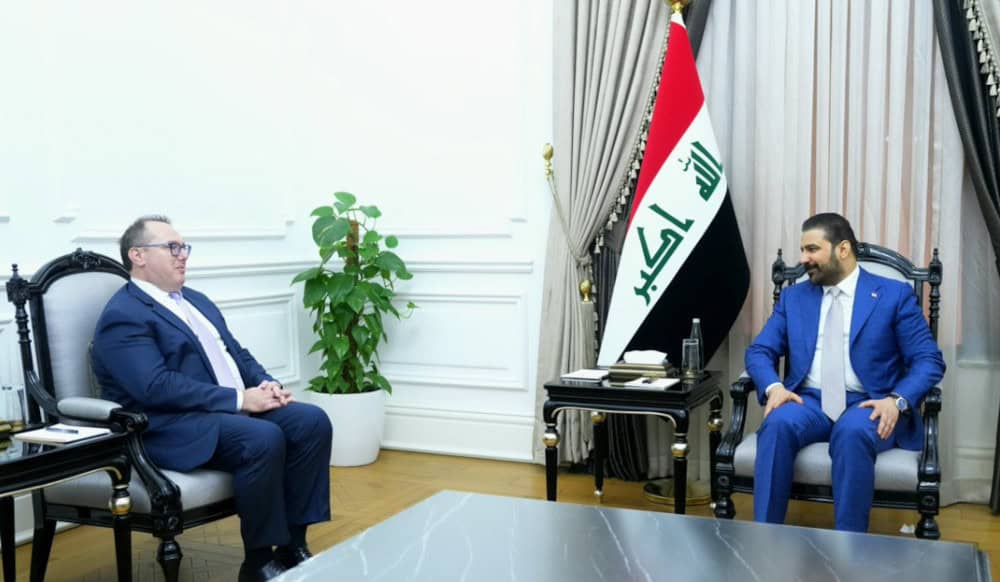
Iranian-backed militias in Iraq are reportedly attempting to postpone the government’s deadline aimed at disarming them. A high-ranking Iraqi official has recently extended the timeline initially set for these pro-Iran groups to surrender their arms, which raises concerns about the influence and control these militias exert within the country.
Context of the Disarmament Plan
The Iraqi government’s initiative to disarm Iranian-aligned militias is a significant step toward consolidating state authority and reducing foreign interference in national affairs. These militias, which operate independently and often wield considerable power, have played a controversial role in Iraq’s political landscape. Though they claim to act in defense of national sovereignty, their actions often align with Iranian interests, complicating Iraq’s relationship with both domestic and international stakeholders.
Recent developments indicate that the September 30 deadline for these groups to relinquish their weapons is no longer in effect. The extension allows pro-Iran factions to maintain their arsenal, potentially undermining the government’s efforts to maintain order. This delay not only raises questions about the effectiveness of Iraqi governance but also sends a message regarding the militias’ anticipated influence in the ongoing political sphere.
Implications of the Militia Delay
The decision to push back the disarmament deadline has far-reaching implications for Iraq’s stability and sovereignty. The existence of these militias poses a challenge to the government’s ability to establish a unified, central authority. Their power dynamics can foster an environment of lawlessness, where non-state actors might prioritize personal or faction-based objectives over national interests. This could further complicate Iraq’s fragile political landscape, may discourage foreign investment, and hinder efforts for economic reform.
Moreover, the move is indicative of the increasing clout that these armed groups possess within Iraq’s political framework. As they continue to resist disarmament, one could speculate that the Iraqi government may be losing leverage over forces that are effectively operating outside of state control. This power vacuum can result in a multiplicity of challenges, including heightened sectarian tensions and susceptibility to external manipulation, particularly by Iran.
The Relationship Between Iraq and Iran
The complex relationship between Iraq and Iran serves as a backdrop for these developments. While the Iraqi government desires to curtail Iranian influence, geopolitical dynamics often force them to navigate a delicate balance. Iran, through its support of these militias, aims to exert leverage over Iraq’s political and military agendas. This external influence presents a significant hurdle for the Iraqi government in its pursuit of sovereignty, making it difficult to forge a path toward autonomy.
As Iraq continues to grapple with these challenges, the international community remains vigilant. The implications of the current situation extend beyond Iraq’s borders, affecting regional stability. Foreign nations are closely monitoring the actions of these militias and the Iraqi government’s ability to reclaim authority, as the outcome will significantly influence Iraq’s future and its relations with global powers.
In summary, the recent move to delay the disarmament of Iranian-backed militias complicates Iraq’s political landscape further. As these groups maintain their power, the implications for governance, stability, and foreign relations will continue to unfold, requiring strategic navigation from the Iraqi government and its international partners.