
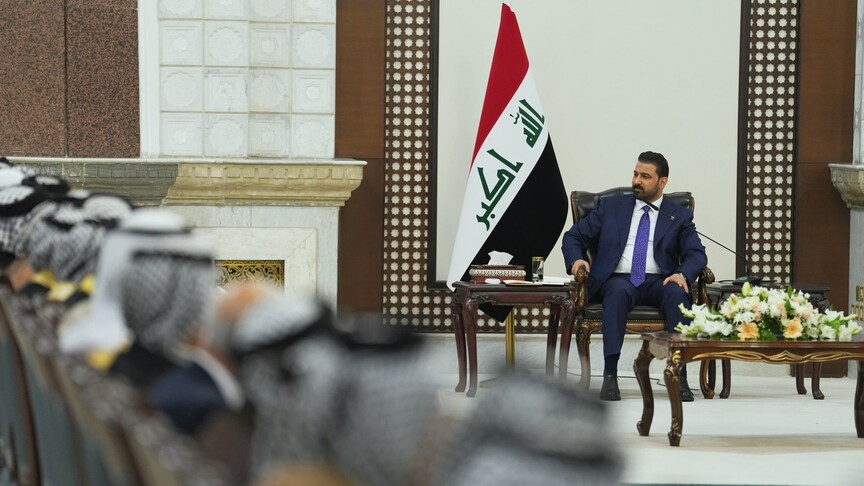
Iraqi Prime Minister Ali Al-Zaidi has recently addressed concerns related to security and foreign relations, indicating that there is no evidence to suggest that attacks against Gulf nations have stemmed from Iraq. During an interview with Asharq Al-Awsat, a London-based newspaper, Zaidi asserted Baghdad’s commitment to retaining its sovereignty and ensuring that its territory is not used for hostile actions against neighboring states.
Commitment to National Security
Prime Minister Zaidi emphasized the importance of national security by declaring that all security commanders have been instructed to prevent any use of Iraqi territory for aggressive actions directed at neighboring countries. “We will not accept dictates from outside our borders,” he stated, underscoring that Iraq’s decisions should stem from its people. This aligns with Iraq’s objective to foster strong relationships within the international community while simultaneously addressing internal security concerns.
Zaidi pointed to upcoming visits to Türkiye, Saudi Arabia, and Iran, signifying Iraq’s initiative to strengthen diplomatic ties in the region. The backdrop of these discussions includes heightened regional tensions exacerbated by violent confrontations involving the U.S. and Iran, which have resulted in significant casualties. The PM’s assurance of Iraq’s neutrality aims to quell fears that armed factions within the country could provoke further conflict.
Weapons Control and State Authority
To reinforce Iraq’s integrity, Zaidi announced plans for a national conference aimed at establishing a monopoly on arms within the state. He firmly stated, “There is no place for weapons outside the state,” highlighting the necessity of dismantling any informal power structures within Iraq. The government has already begun receiving weapons from various armed groups, indicating a commitment to centralize military power and eliminate rival factions.
The timeline for disarmament has been set, with Zaidi specifying September 21 as the final deadline for armed groups to surrender their weapons. This initiative coincides with the withdrawal of U.S.-led coalition forces, representing a significant turning point in Iraq’s security landscape. The formation of a dedicated committee to oversee compliance with arms control underlines the government’s determination to tackle one of its most pressing security challenges.
Addressing Corruption
In parallel to security concerns, Prime Minister Zaidi highlighted the ongoing battle against corruption, which he deemed a profound threat to Iraq’s existence. He labeled the government’s anti-corruption efforts as “irreversible,” asserting that there are entities aiming to exploit the country for personal gain. To further this initiative, he has instructed the Finance Ministry to create a specialized account specifically designed for the recovery of misappropriated funds.
Zaidi has set a personal standard by committing not to draw a salary, accept gifts, or engage with public funds. He also announced his intention to refrain from pursuing a second term or forming a political party post-office, reinforcing his dedication to public service without ulterior motives. In recent developments, multiple officials and lawmakers have faced arrest linked to financial misconduct, validating Zaidi’s strategy to cleanse the political system of corruption.
In summary, Iraqi Prime Minister Ali Al-Zaidi’s latest announcements suggest a concerted effort to fortify national security, manage regional relationships, and combat corruption. As Iraq strives to reclaim its position in the international arena, the PM’s firm stance on these pressing issues is crucial for restoring stability and confidence in the country’s governance.