
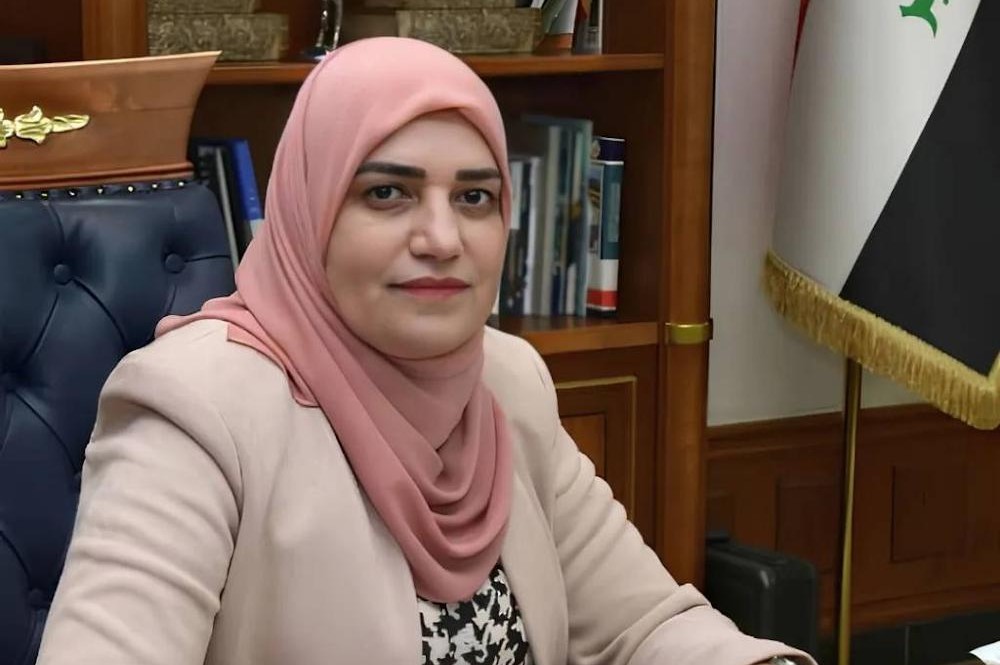
Four years after the Biden administration celebrated Taif Sami Mohammed for her fearless stance against corruption, she has found herself in a different narrative altogether. The Trump administration has taken significant steps by revoking her visa and placing her on the FBI’s terror watchlist, raising questions about changing political climates and their implications for international figures.
Shifts in Diplomatic Relations
The contrasting treatment of Taif Sami Mohammed reveals a critical shift in diplomatic relations. Initially recognized for her efforts to combat corruption, Mohammed was viewed as a pivotal voice for reform. With the Biden administration’s endorsement, she was celebrated in international circles as a beacon for change in Iraq. Yet, the abrupt change in her status under the Trump administration illustrates how political agendas can swiftly alter perceptions, leading to drastic consequences for individuals once hailed as heroes.
The Impact of Political Agendas on Individual Figures
The recent actions against Mohammed serve as a stark reminder of how individual narratives can be reshaped by political agendas. Leaders often leverage figures like Mohammed for their own domestic and international goals. When her alignment with anti-corruption efforts was no longer deemed strategically beneficial, the narrative shifted. This situation underscores the precarious nature of being a public figure in politics, especially within a tumultuous region like the Middle East, where allegiances and viewpoints can change rapidly.
The Broader Implications for Anti-Corruption Advocates
This incident raises critical questions about the future of anti-corruption advocates globally. With Mohammed’s case as a focal point, one must consider how international support may wane for those who challenge corrupt practices if their efforts are overshadowed by political nuances. The implications ripple through activist communities, sparking fears that substantial risks accompany their endeavors. The loss of support can have a chilling effect on other advocates, discouraging them from pursuing similar paths, especially in volatile political climates.
Conclusion: A Call for Consistent Support
Taif Sami Mohammed’s situation emphasizes the need for consistent international support for anti-corruption advocates. As political winds change, so too can the fates of those who work tirelessly to eradicate corruption. Efforts to hold corrupt individuals accountable can often require immense bravery and persistence, and those who dare to take a stand must not face expulsion or ostracism due to shifting political landscapes. As we reflect on Mohammed’s journey, it becomes vital for policymakers to establish steadfast commitments to those championing the cause of justice and transparency. The world is watching, and the actions taken now will shape the landscape of global activism for years to come.