
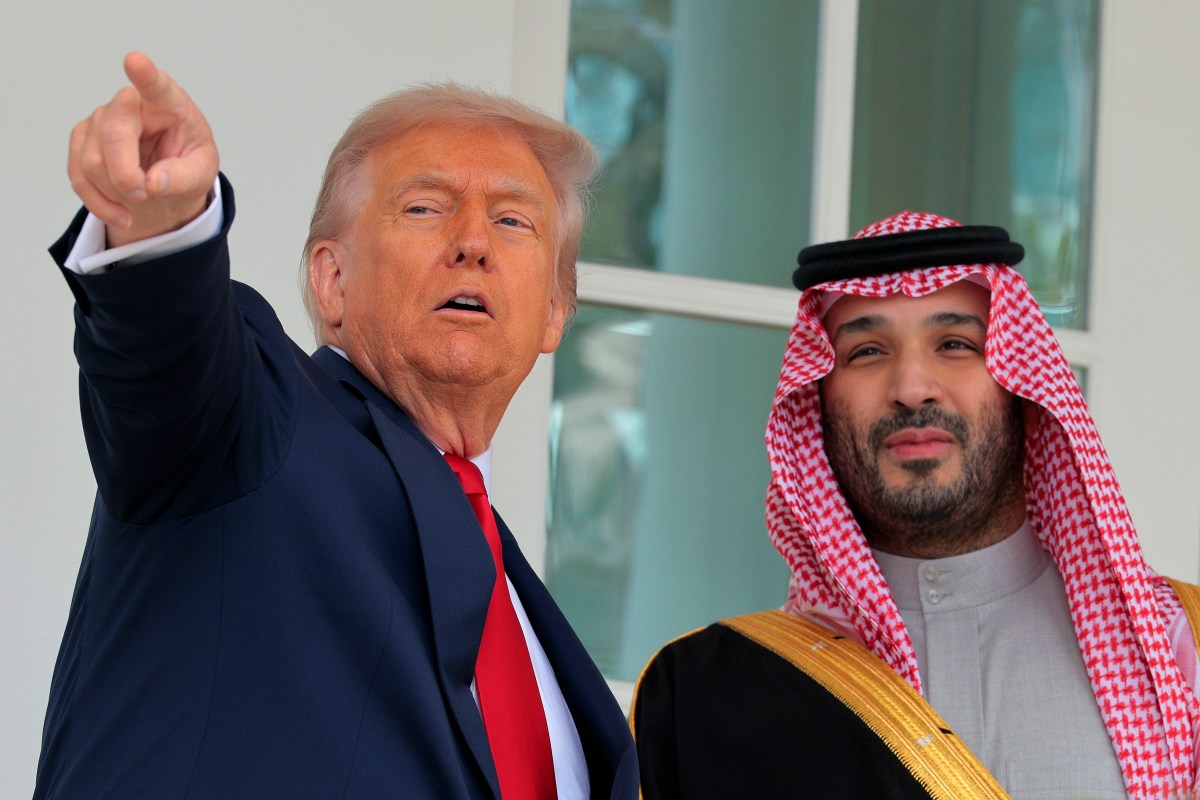
The recent approval by the White House for selling advanced F-35 fighter jets to Saudi Arabia underscores President Donald Trump’s strategy to delegate Middle Eastern defense responsibilities to regional partners. This pivotal decision may redefine the security landscape in the region but carries significant risks and geopolitical implications.
The Stakes of the F-35 Agreement
This F-35 deal, pending congressional approval, poses risks amid escalating oil prices driven by ongoing conflicts involving the U.S. and its allies against Iran-led forces. The anticipated delivery timeline of these advanced warplanes could extend for years, potentially delaying any immediate relief in the energy sector. Lawmakers have voiced concerns that this transaction might expose sensitive U.S. military technology to other nations, including China, which maintains strategic ties with Saudi Arabia. Additionally, Israeli officials are apprehensive about the F-35 acquisition, warning that it could diminish Israel’s aerial superiority in the region unless diplomatic relations with Saudi Arabia are normalized.
As both Washington and Riyadh navigate a tumultuous regional landscape—including ongoing hostilities with Iran-backed groups in Yemen—experts caution that this arms deal symbolizes a transformative moment in international security relations. Saad Abdullah Al Hammad, a former Saudi diplomat, notes that the arrangement signifies a fundamental shift in America’s defense strategy, which increasingly favors arming allies over direct military engagement. In essence, this deal emphasizes the U.S.’ commitment to “outsourcing” military responsibilities.
Saudi Arabia’s Drive for Autonomy
Historically, Saudi Arabia’s security has been tied closely to its relationship with the U.S., as the Kingdom aims to protect its interests as a major oil producer and custodian of Islam’s holiest sites. However, Crown Prince Mohammed bin Salman is pivoting towards a more independent geopolitical stance. Pursuing a modernization agenda termed Vision 2030, he is bolstering alliances with countries like China and Russia—efforts that contribute to diversifying Saudi defense partnerships.
This shift aligns with the recent F-35 acquisition, which would substantially enhance the Royal Saudi Air Force’s capabilities. The jets are designed to provide advanced stealth and precision strike options, enabling Saudi forces to counter various threats beyond their immediate borders. These developments illustrate Riyadh’s desire to strengthen its military stature and reduce reliance on U.S. security guarantees.
A Complicated Geopolitical Landscape
Israel views the sale of F-35s to Saudi Arabia as a threat to its long-held military superiority in the region. Since becoming the first Middle Eastern nation to procure the F-35s, Israel has leveraged these aircraft in numerous military operations. The prospect of Saudi Arabia acquiring similar capabilities has fueled anxieties regarding Israel’s qualitative military edge. Former Israeli officials stress that the strategic implications of this deal could disrupt the delicate balance of power in the region, particularly in relations with Iran.
In the backdrop of this escalating arms race, diplomatic considerations loom large. While the F-35 deal exemplifies Trump’s strategy to shift defense responsibilities, it also opens doors for potential negotiations. Experts argue that the U.S. could press for a diplomatic resolution involving Saudi Arabia and Iran, thus averting direct military confrontations. Some critics caution, however, that aggressive military options could backfire, leading to prolonged conflict rather than quick resolutions.
The crossroads of oil prices, military technology, and diplomatic relations illustrate the complexities of contemporary Middle Eastern geopolitics. With rising oil prices and increasing attacks threatening stability, it remains imperative for all parties involved to pursue avenues of dialogue and de-escalation. As uncertainty pervades the region, Saudi Arabia’s next steps are crucial in molding its future security landscape while balancing its historical alliances.