
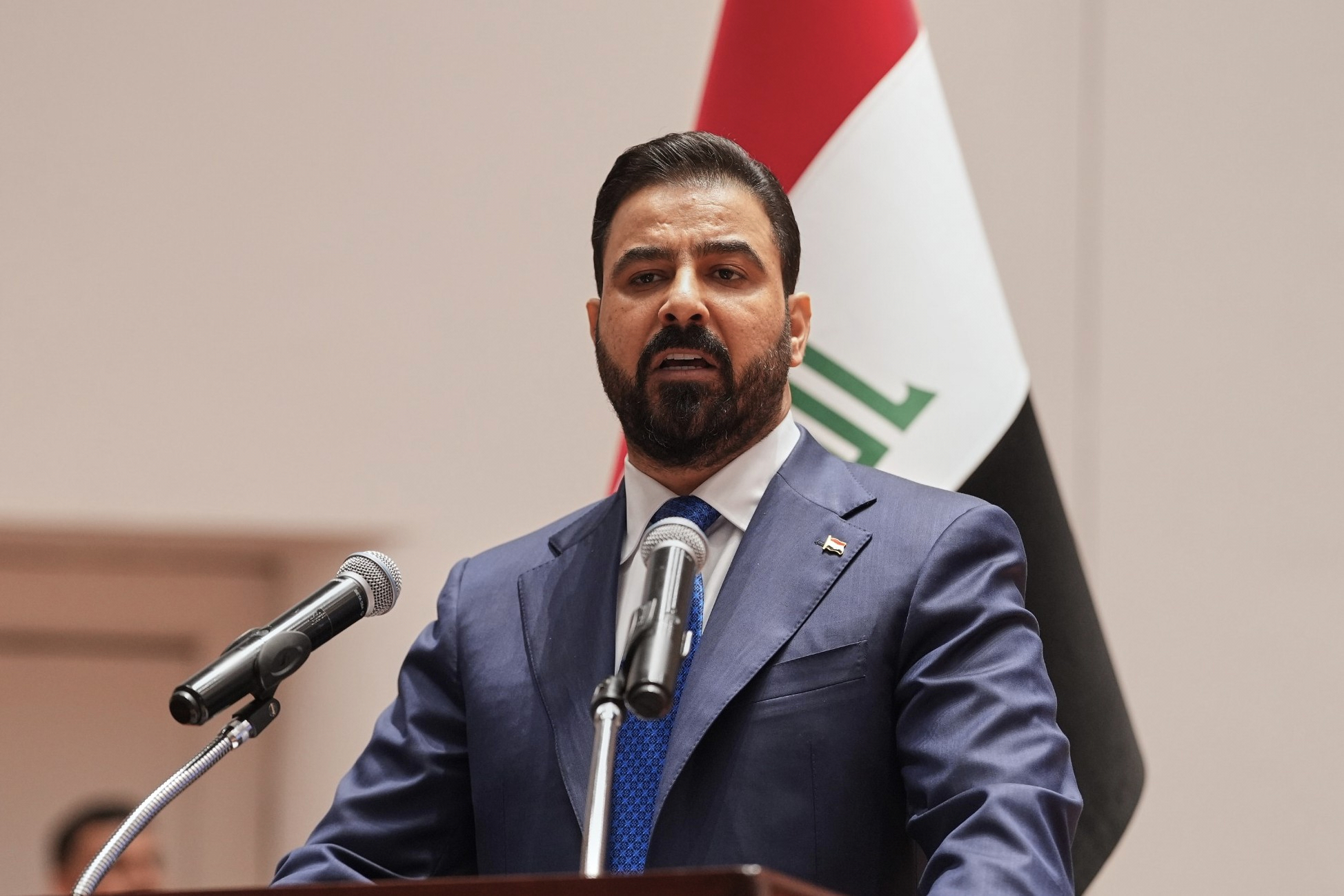
Iraq has recently experienced significant political changes as its parliament approved the government program led by Prime Minister-designate Ali al-Zaidi. This marks a critical step in the establishment of a new government amidst ongoing political challenges.
Parliament’s Approval of the Government Program
On May 14, 2026, Iraqi lawmakers convened to vote on the government program and the initial lineup of ministers suggested by Al-Zaidi. Of the 270 members present, a majority confirmed 14 out of the 23 proposed ministers. Notably, Fuad Hussein retained his role as foreign minister, ensuring continuity in Iraq’s foreign affairs. However, discussions surrounding three key positions—including the interior, higher education, and planning ministers—failed to yield consensus, leading to a postponement of votes on other significant roles such as defense and education.
Political Deadlock and Fragmentation
The political atmosphere in Iraq is often characterized by fragmentation and deadlock, making governance a challenging endeavor. The parliamentary system requires a delicate balance of power-sharing among various political factions. In this arrangement, the Coordination Framework, predominately composed of Shiite parties aligned with Iran, is responsible for nominating 12 ministers. Meanwhile, Sunni parties nominate six, Kurdish factions four, and religious minorities have a seat at the table with one minister. Such power-sharing dynamics frequently lead to impasses, evidenced by the difficulties encountered in approving essential ministerial positions.
Future Challenges for the New Government
The incoming government must navigate a complex landscape shaped by various external pressures, including the repercussions of the ongoing U.S.-Israeli conflict affecting Iran and Iraq. The situation has aggravated local economic vulnerabilities, particularly concerning oil exports—an economic cornerstone for Iraq. In response, the newly formed government has outlined a comprehensive program focusing on critical issues like public services, corruption reduction, and economic stability. However, the realism of implementing certain measures may be hindered by existing armed groups operating outside government control.
Addressing Armed Groups and National Security
One of the most contentious issues remains the presence of multiple Iran-backed militias within Iraq. As the government emphasizes the need to restrict armed capabilities solely to state entities, achieving such control could prove to be a monumental challenge. The newly confirmed administration faces immense pressure not only from domestic factions but also from international actors like the U.S., which advocates for the disarmament of these groups. Speculation suggests that Iran may oppose any moves towards disarming its affiliated factions, complicating the delicate political balance within Iraq.
As Iraq pursues a path toward stability and governance, it stands at a crossroads that will require careful navigation among competing interests and external pressures. The government’s immediate focus on addressing pressing issues is crucial, but successful implementation will depend heavily on effectively managing internal and external dynamics. The new government’s performance in tackling these challenges will determine its legitimacy and effectiveness in steering Iraq toward a more stable future.