
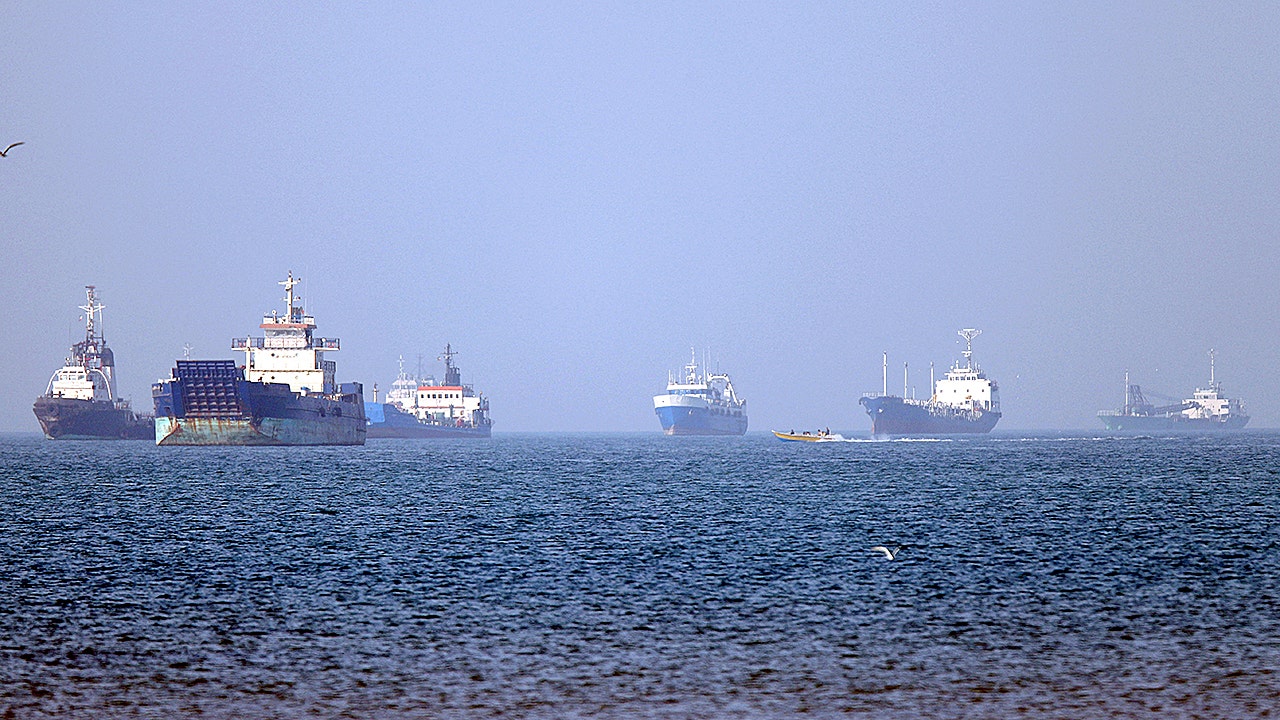
On Thursday, an alarming incident unfolded in the waters near the United Arab Emirates (UAE), where an unidentified vessel was seized by Iranian forces. This provocative act took place approximately 38 nautical miles off the UAE coast, coinciding with significant diplomatic discussions in Beijing involving U.S. President Donald Trump and Chinese President Xi Jinping.
The Seizure of the Vessel
The British military confirmed that the ship was boarded by unauthorized personnel at dawn, while it was navigating close to the UAE’s Fujairah oil export terminal. The United Kingdom Maritime Trade Operations (UKMTO) reported that the vessel was observed heading towards Iranian territorial waters shortly after the seizure occurred. While details remain sparse, the UK authorities have yet to disclose the identity of the vessel or the perpetrators of the seizure.
Although UKMTO did not provide specific ownership information, various reports suggest that the Honduras-flagged ship, referred to as Hui Chuan, may have been involved in the incident. The BBC indicates that the operators of this vessel described it as functioning as a “floating armory” for other ships traversing the Strait of Hormuz, protecting them against piracy.
Recent Context and Implications
This incident is not isolated. Since February, at least two other ships have also been seized in the strategic Strait of Hormuz, a vital artery for global oil trade. The increased frequency of these maritime confrontations raises concerns about the safety and security of shipping lanes in the region, especially given the backdrop of heightened tensions between Iran and Western nations.
The implications of these seizures can be extensive, potentially impacting international oil markets and escalating military tensions. In April, for instance, the Iranian Revolutionary Guard Corps seized two additional ships, further complicating the geopolitical landscape. With future diplomatic negotiations between the U.S. and Iran appearing increasingly fragile, such provocations could threaten any chance of a diplomatic resolution to ongoing conflicts.
Global Response and Future Consequences
As reactions unfold, the international community is closely monitoring developments. Increased military presence from various nations in the region could become a reality as countries seek to ensure the safety of their maritime interests. The United States and its allies may feel pressured to respond to Iran’s aggressive maritime tactics, which could lead to a further escalation of hostilities in the area.
While concerns continue to mount regarding the safety of navigation through the Strait of Hormuz, the need for diplomatic dialogue remains critical. Analysts suggest that without immediate action to address these aggressive maneuvers, the potential for more conflict only increases, threatening not just regional stability but also global economic interests.
In light of these developments, ongoing vigilance is crucial. Maritime firms and countries reliant on shipping through the Strait of Hormuz must stay informed and prepared for any further escalations, as the situation remains volatile. The unfolding events serve as a reminder of the intricate connection between regional politics and global trade, underscoring the need for sustained international cooperation to resolve these conflicts peacefully.