
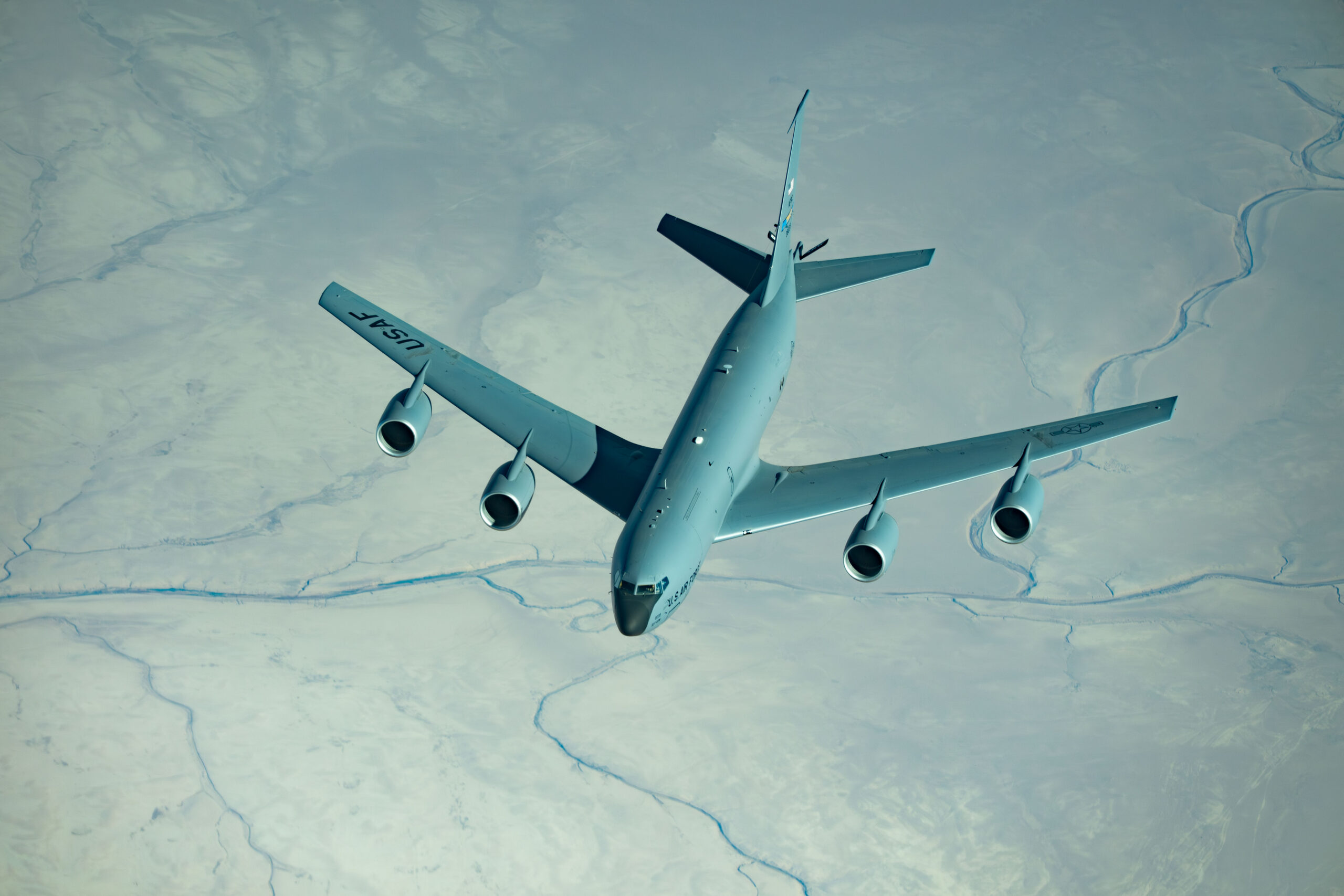
In recent developments, the Air Force has reactivated a KC-135 aircraft from its storage facility, following a tragic event where a similar plane crashed in Iraq. This strategic move highlights the ongoing challenges the Air Force faces in maintaining its fleet of refueling aircraft.
The Reactivation of the KC-135
On April 2, a KC-135 aircraft was taken out of the Boneyard at Davis-Monthan Air Force Base in Arizona, according to Air Force Chief of Staff Gen. Kenneth S. Wilsbach’s testimony before the House Armed Services Committee. Although the spokesperson did not confirm if this reactivation was a direct response to the recent crash during Operation Epic Fury, it was noted that the KC-135 Program Office requested the reactivation to address operational needs. This particular aircraft, tail number 58-011, was flown to Oklahoma Air Logistics Complex at Tinker Air Force Base for refurbishment.
Recent Operational Challenges
The crash on March 12, which involved a midair collision between two KC-135s in Western Iraq, resulted in the deaths of all six airmen aboard. This incident not only underscores the risks associated with aerial refueling operations but also brings to light the pressing requirement for the Air Force to expand its fleet. As mandated by law, the Air Force must increase its fleet of refueling aircraft from 466 to 478 by October 1, 2027, and further to 502 by October 1, 2028. While the Air Force is in the process of transitioning to newer KC-46 Pegasus models, it still relies heavily on its aging KC-135 fleet for crucial missions.
Future Fleet Plans
As of late April, the Air Force reported that it was on track to meet its fleet requirements, with about 370 KC-135s and 105 KC-46 aircraft as per its fiscal 2027 budget documents. However, this count does not adequately reflect the losses sustained during Operation Epic Fury. Efforts are underway to retire 20 KC-135s while anticipating the arrival of 20 next-generation KC-46 refuelers in the upcoming year.
The timeline for returning the reactivated KC-135 to operational status remains uncertain. Historical data from other reactivated aircraft, such as the B-1B Lancer, suggests that extensive maintenance and repairs will be necessary before bringing the aircraft back into active service. The B-1B underwent significant overhauls at Tinker, involving the efforts of numerous personnel and the replacement of many components.
Ongoing Crisis Management
During the heightened operations of Epic Fury, the Air Force faced substantial losses across its fleet, including manned and unmanned aircraft. Reports indicate that in addition to the downed KC-135, the Air Force lost several F-15E fighters and an A-10, as well as nearly 30 MQ-9 Reaper drones. A severe attack on the E-3 AWACS aircraft at Prince Sultan Air Base in Saudi Arabia further compounded the operational challenges, demonstrating the precarious nature of current military engagements.
In light of these setbacks, the Air Force has yet to announce any plans for activating additional aircraft from the Boneyard. While there are ongoing regeneration efforts for two C-130s designated for foreign military sales, the urgent need for bolstering the operational fleet remains a priority. As the situation evolves, the Air Force’s strategic decisions will be closely monitored to see how it navigates these unprecedented challenges.