
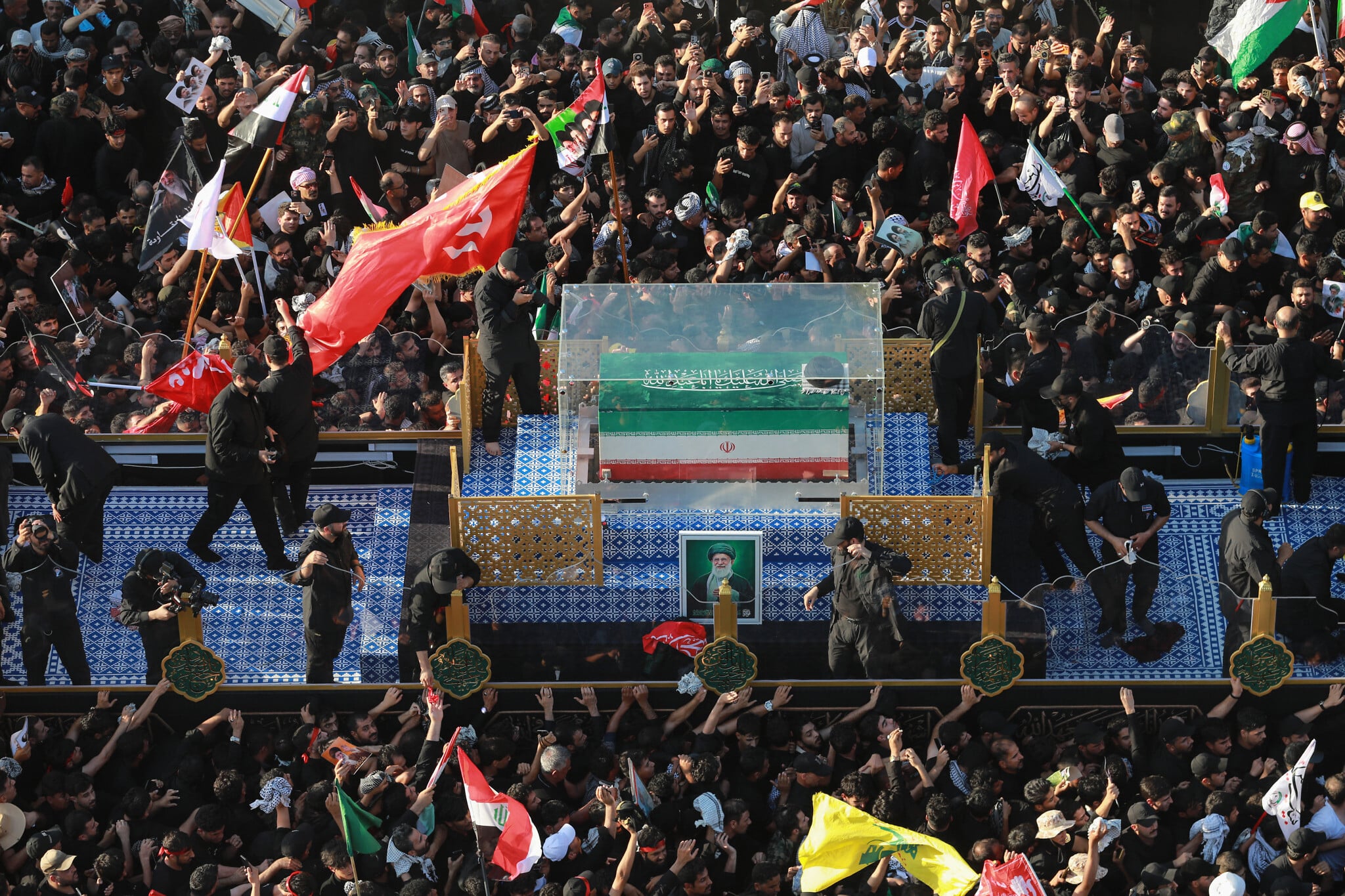
Understanding the Impacts of Conflict in the Middle East
In recent years, the Middle East has been a hub of unrest, largely influenced by geopolitical tensions and historical disputes. This region’s complexity stems from a confluence of cultural, religious, and political factors, often leading to conflict. Understanding the implications of these struggles on a global scale is crucial for our comprehension of contemporary geopolitics.
The Historical Context of Middle Eastern Conflicts
The roots of conflict in the Middle East can be traced back centuries, deeply embedded in a history of colonialism, religious divisions, and territorial disputes. The dissolution of the Ottoman Empire after World War I marked a significant turning point, leading to the creation of modern nation-states that often disregarded ethnic and sectarian lines. This arbitrary division sowed the seeds for future conflicts, as various groups continued to contest their national identities and territorial claims.
The establishment of Israel in 1948 triggered a series of confrontations with neighboring Arab states, leading to a protracted Israeli-Palestinian conflict that remains unresolved to this day. Historical grievances and opposing narratives fuel ongoing animosity, complicating diplomatic efforts aimed at peace and stability in the region.
Current Geopolitical Dynamics
Today, the Middle East plays a critical role in global geopolitics, affecting international relations and economic stability. Key players such as the United States, Russia, and China have vested interests in the region, often backing different factions to secure their objectives. The struggle for control over oil resources, strategic military positions, and trade routes has intensified tensions among nations.
Moreover, the rise of non-state actors, including various militant groups, has deteriorated security conditions across the region. These entities often exploit local grievances and conflicts to further their agendas, complicating efforts for conflict resolution. The civil wars in Syria and Yemen, for instance, demonstrate how regional rivalries can exacerbate existing tensions and lead to humanitarian crises.
The Humanitarian Consequences of Warfare
The toll of ongoing conflicts in the Middle East extends far beyond geopolitical concerns; it has profound humanitarian implications. Millions of people have been displaced due to violence, with refugees seeking safety in neighboring countries or far beyond. The influx of displaced populations places additional strain on already limited resources, leading to tension in host communities.
Access to basic necessities, including food, clean water, and healthcare, has become increasingly difficult in war-torn areas. The international community has responded with humanitarian assistance; however, the scale of need remains staggering. Continued violence often hampers aid efforts, leaving vulnerable populations at risk.
The Path Forward: Toward Peace and Stability
Achieving lasting peace in the Middle East requires a multifaceted approach that addresses the root causes of conflict and prioritizes diplomacy over military intervention. Encouraging dialogue among conflicting parties, fostering economic development, and addressing humanitarian needs are essential steps toward a more stable future.
Global powers must recognize their roles in influencing outcomes in the region and seek cooperative strategies rather than exacerbating divisions. By fostering a climate of collaboration and mutual respect, stakeholders can work toward an era where peace is attainable, paving the way for a prosperous and stable Middle East.
In summary, understanding the complexities of conflicts in the Middle East is crucial for fostering a global environment conducive to peace. Historical grievances, current geopolitical dynamics, humanitarian challenges, and future pathways toward stability are intertwined, necessitating a comprehensive and sensitive approach to conflict resolution.