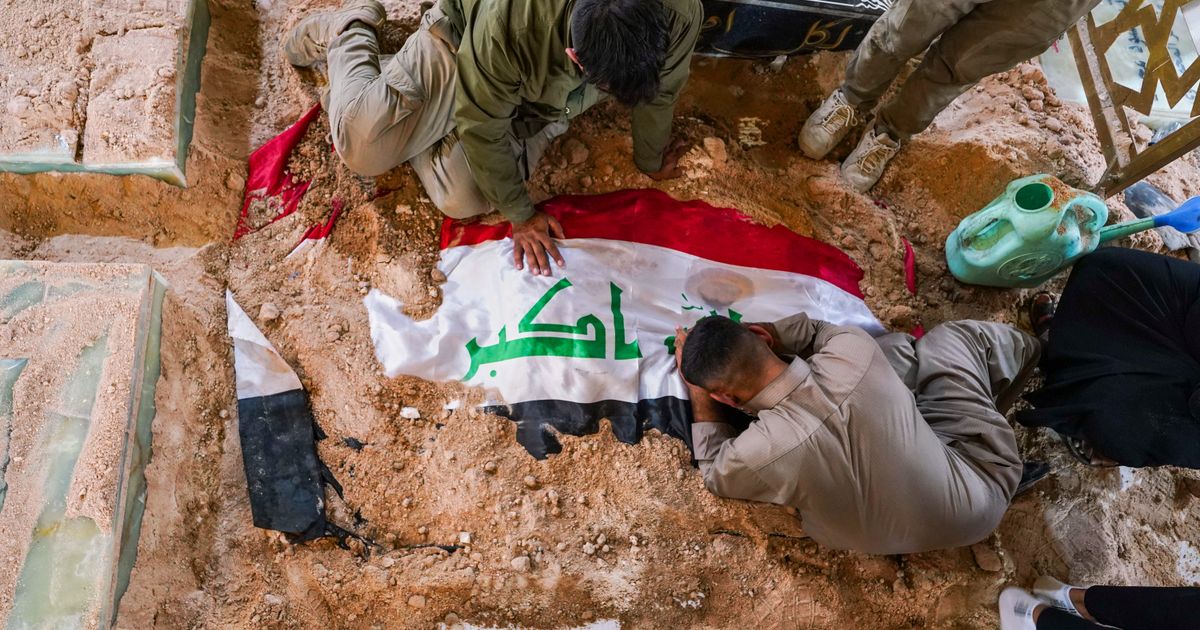
Tensions in Iraq have escalated significantly following recent airstrikes. These strikes targeted various militias affiliated with Iran, specifically those that are part of the Popular Mobilization Forces. As a result of these military actions, several Iraqi fighters and Iranian advisers lost their lives, creating ripples of unrest throughout the region.
Impact on Popular Mobilization Forces
The Popular Mobilization Forces (PMF) have been a crucial part of Iraq’s military landscape, particularly in the fight against ISIS. However, these forces also have strong ties to Iran, which complicates their role within the broader geopolitical context. The recent airstrikes aimed at these militias signal a shifting power dynamic, as countries like the U.S. and Saudi Arabia take a more aggressive stance against Iranian influence in Iraq. The funerals held for the fallen PMF members underscore the deep emotional and political ramifications of these events.
Regional Repercussions
The killings of the Iranian advisers add another layer of complexity to the already fraught relations within the Middle East. Each strike not only raises the stakes for Iran but also affects other regional players, further entrenching divisions. Incidents like these often lead to retaliatory measures, which could spiral into broader conflicts. The geopolitical chess game in the region becomes increasingly intricate as nations recalibrate their strategies in response to these developments.
International Concerns
The international community is paying close attention to this evolving situation. As tensions rise, concerns about stability in Iraq and the surrounding areas become more pronounced. The risk of an all-out conflict between proxy forces and direct military engagement looms large. Observers worry that if left unchecked, these hostilities could derail any positive developments in Iraq’s political landscape, undermining efforts toward reconciliation and long-term peace.
The Path Forward
Finding a resolution requires careful diplomacy. Stakeholders in the region, including Iraq, Iran, and Western powers, must seek common ground to de-escalate tensions. This may involve negotiations aimed at mitigating Iranian influence while addressing legitimate security concerns. Establishing channels for dialogue is essential to prevent further losses and promote stability in a region long plagued by conflict.
In summary, the recent airstrikes on Iran-backed militias in Iraq have heightened regional tensions, affected the Popular Mobilization Forces significantly, and raised international concerns. As stakeholders navigate these complex issues, the need for dialogue and diplomatic solutions remains urgent to avert further conflict and promote peace.