
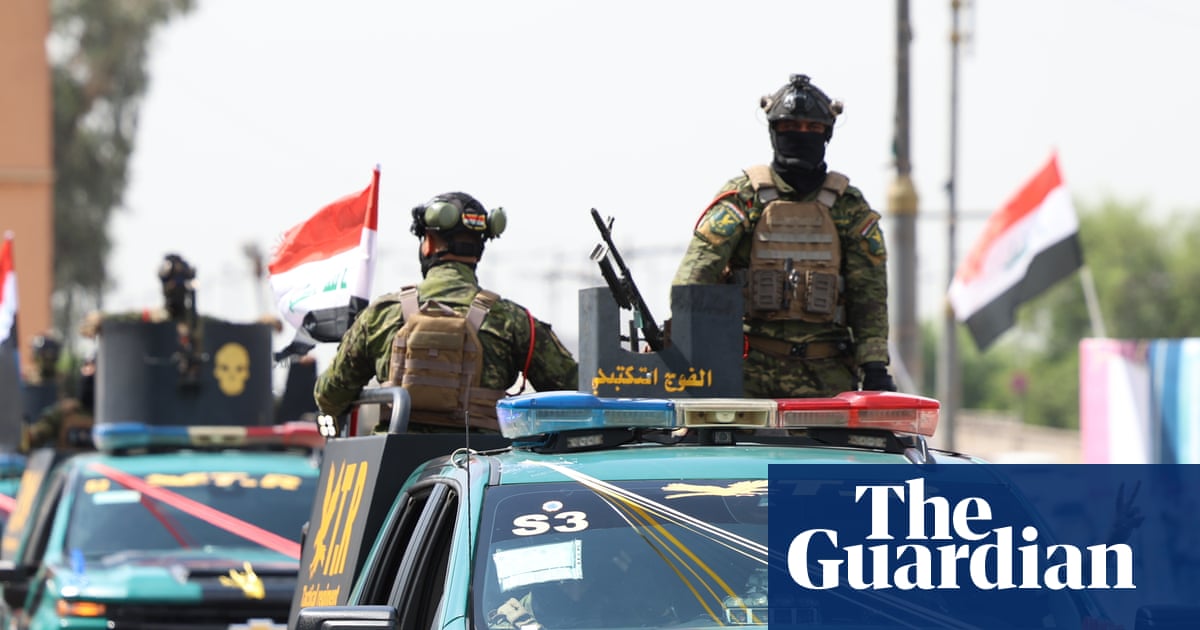
The Pentagon has officially announced the completion of its withdrawal of U.S. troops from Iraq, a significant move marking the end of a 12-year mission that began with the aim of combating the Islamic State. This milestone comes two years after the withdrawal agreement was made, highlighting a major shift in the U.S.’s military engagement in the region.
Celebration and Caution Following Withdrawal
Following the announcement, Iran and allied groups celebrated the U.S. departure as a notable victory. However, this celebration is met with apprehension from Iraqi security experts, who express concerns that the exit may allow the Islamic State and other militant groups an opportunity to regroup and regain strength. The U.S. military stated that the mission, known as Operation Inherent Resolve, has come to a successful conclusion, emphasizing their commitment to ensuring that ISIS cannot reestablish itself in Iraq.
Continued Support and Responsibility
Despite the withdrawal of troops on the ground, the Pentagon has reassured that it will maintain its support for Iraqi forces through training and intelligence sharing. However, the Pentagon emphasized that the responsibility for tackling the remaining security issues, including ISIS remnants and Iranian-aligned militias that threaten Iraqi sovereignty, now falls squarely on the shoulders of the Iraqi government. This transition raises insights into the operational readiness of Iraqi security forces to effectively address these ongoing challenges.
The History Behind the Withdrawal
The U.S. invasion of Iraq in 2003, aimed at removing Saddam Hussein from power after nearly 24 years of dictatorship, set off a tumultuous chain of events. This military action resulted in a significant humanitarian crisis characterized by a staggering number of civilian casualties, civil strife, and the eventual emergence of the Islamic State. Former President Barack Obama’s declaration in 2011 of the end of the Iraq war set the stage for the initial withdrawal of U.S. forces. However, the alarming rise of ISIS in 2014 necessitated the redeployment of troops to assist in countering the militant threat.
Revisiting Security Concerns
As the U.S. steps away from active military involvement, there are significant concerns about the preparedness of Iraqi forces. Analysts highlight the potential security vacuum that could arise from the withdrawal, posing risks to stability in the region. Advisers to security forces have noted that the lack of a comprehensive plan for this transitional phase is critical. Observers like Jassim al-Bahadli and retired Iraqi general Mohammed al-Juburi have raised pressing questions about Iraq’s strategy moving forward, stressing the importance of readiness in facing potential threats.
In summary, while the U.S. withdrawal from Iraq marks the end of a significant chapter in military engagement against the Islamic State, it raises challenges that require close attention. The readiness of the Iraqi government and its security forces to maintain stability in the face of ongoing threats will be vital in determining the region’s future. The world watches closely as Iraq navigates this new landscape, hoping that the sacrifices made over the years will not go in vain.