
US Expulsion from Iraq and Regional Resistance Dynamics
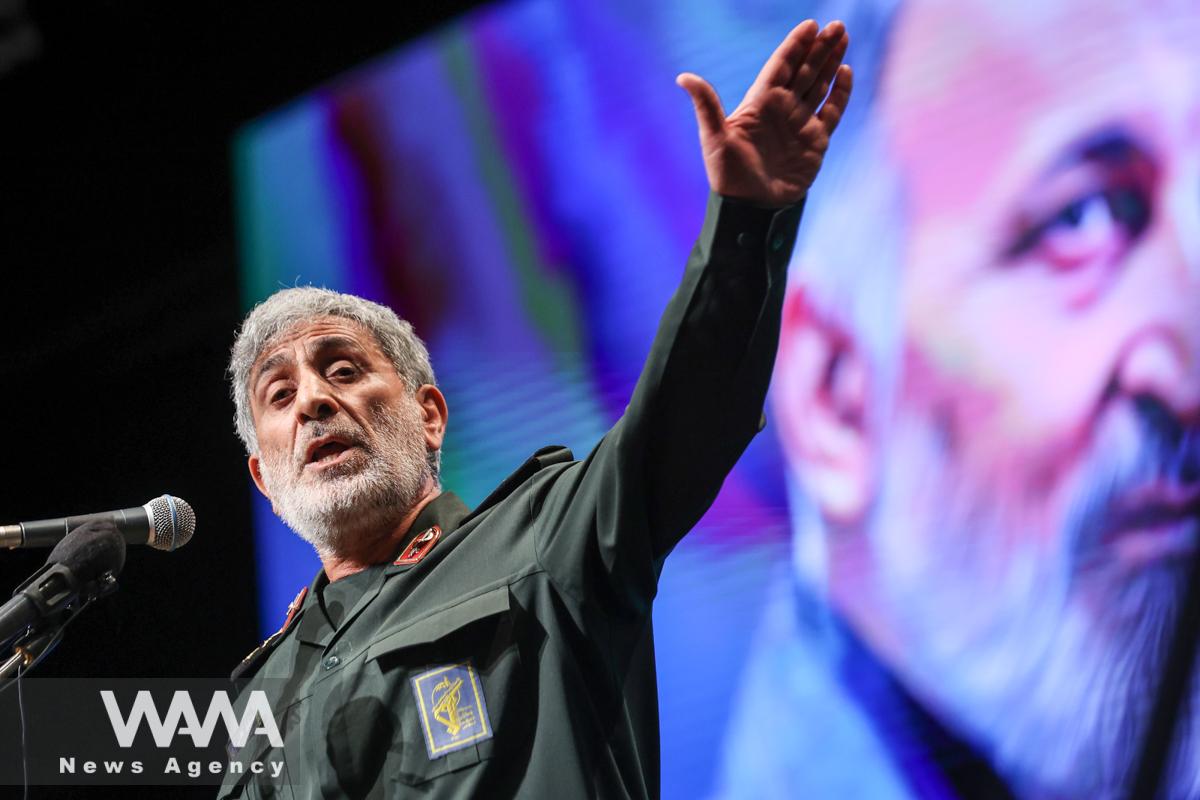
The recent remarks by Brigadier General Esmail Qaani, Commander of the IRGC Quds Force, highlighted significant shifts in regional power dynamics, particularly concerning the United States’ presence in Iraq and the resilience of resistance forces across the Middle East. In the wake of these assertions, Qaani painted a picture of a bolstering resistance against perceived foreign aggression, focusing on Iraq, Lebanon, Palestine, and Yemen.
Confrontation with the United States
During a commemoration event in Tehran for key Hezbollah figures, Qaani asserted that the United States has essentially been expelled from Iraq. He emphasized that this development was the result of the unwavering resistance from the Iraqi people. According to him, the aim is to remove any remnants of U.S. military presence, both on land and in the air. He voiced the determination of Iraqi and resistance forces to confront any continuing U.S. involvement, suggesting that Washington is attempting to undermine the significance of its expulsion by shifting focus to other issues, such as air traffic.
Qaani contended that the U.S. had underestimated Iran, entering the confrontation with the expectation of quick capitulation. Instead, he claimed that the reality has been one of humiliation for the U.S., failing to meet its objectives against Iran, with a clear outline of the opposition’s strength evident in Lebanon.
Hezbollah’s Fortitude in Lebanon
Shifting his focus to Hezbollah, Qaani acknowledged that the group has faced significant challenges, particularly with the loss of key figures. However, he lauded Hezbollah’s resilience and noted that it had inflicted substantial losses on Israel. He reported that during recent conflicts, Hezbollah had conducted a staggering 9,550 operations, claiming immense damage to Israeli military capabilities.
According to Qaani, around one-third of Israel’s military assets were either destroyed or removed from the battlefield. He portrayed the group’s ability to adapt and evolve, suggesting that losses in leadership have paved the way for a new generation of commanders and fighters to emerge, thus ensuring continued operational effectiveness.
Support for Palestine and Yemen
Regarding Palestine, Qaani stressed that Iran has not wavered in its support for what he termed oppressed peoples amidst ongoing conflicts. He acknowledged recent interactions concerning Gaza, accusing Israel of breaching agreed-upon arrangements. He cautioned Israeli leaders against miscalculating their positional advantages, asserting that the Palestinian territories rightfully belong to their original inhabitants. Qaani urged for Israel to acknowledge its defeat and withdraw from these territories as resistance forces prepare for sustained opposition.
In addressing the conflict in Yemen, Qaani called for an end to hostilities and a blockade that has plagued the nation. He encouraged Saudi Arabia to recognize the futility of its military endeavors against Yemen and redirect its resources towards fostering unity and cooperation among Muslim countries, rather than prolonging internal conflicts.
Call for Regional Unity and Cooperation
Qaani’s message also extended to the broader regional landscape, where he emphasized the critical need for Muslim countries to unite and work collaboratively to address shared challenges. He pointed out that despite facing numerous obstacles, the resistance front is steadily enhancing its capabilities. He highlighted recent military achievements in Yemen, underscoring the potential for a cooperative response among Persian Gulf nations.
In summarizing his thoughts, Qaani argued that the confluence of events in Iraq, Lebanon, Palestine, and Yemen signifies the ongoing relevance and influence of resistance forces in shaping regional affairs. He invoked a vision of increased coordination among Muslim states to effectively confront external aggressions attributed to the U.S. and Israel, urging a collective approach to address pressing regional issues.