
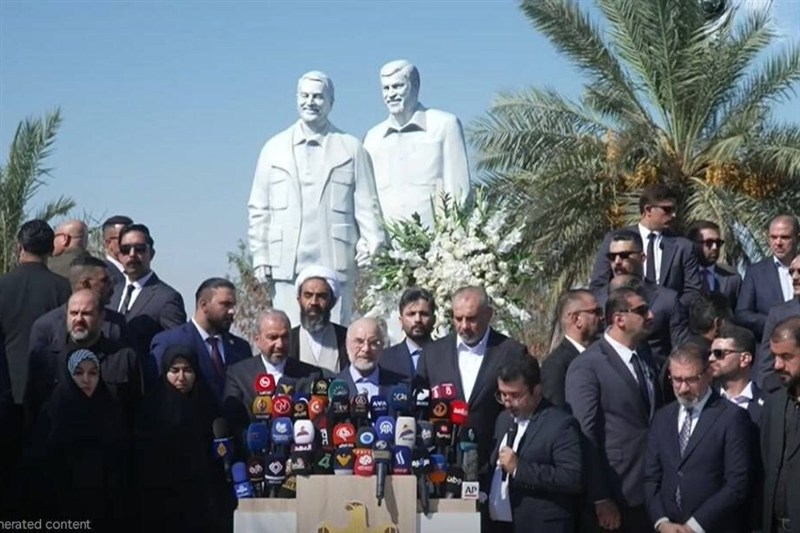
Iranian Parliament Speaker Mohammad Baqer Qalibaf recently emphasized the significance of his trip to Iraq in fostering a collaborative regional framework that seeks to minimize outside influence. His remarks underline Iran’s commitment to enhancing partnerships with neighboring nations to build a stable, self-sufficient environment.
The Purpose of Qalibaf’s Visit
During his visit, Qalibaf highlighted the primary goal of establishing a new regional order. This initiative aims to enhance ties among nearby countries, ensuring that these relationships thrive without reliance on foreign powers. His stance reflects Iran’s broader strategy to reinforce its influence in the region while promoting solidarity among nations that share historical and cultural connections.
Strengthening Regional Cooperation
The focus of the discussions in Iraq revolved around deepening cooperation on various fronts, including economic, political, and cultural aspects. By collaborating closely, these nations can create a robust framework for growth and stability. Qalibaf’s visit serves as a catalyst for advancing dialogues that may lead to mutually beneficial agreements, ultimately uplifting the regional economy and providing a united front against external pressures.
Building a Future Free from External Interference
One of the key themes of Qalibaf’s address was the aspiration for a future where regional nations can cooperate without the specter of foreign meddling. He called attention to the importance of self-determination and sovereignty, which should be the bedrock of any collaborative efforts. This philosophy is particularly relevant in a time when many countries are grappling with the implications of outside influence, pushing for more independence in their domestic and foreign policies.
The Road Ahead
As Qalibaf’s visit concludes, the potential for sustained collaboration between Iran and Iraq appears brighter than ever. The groundwork laid during this trip could pave the way for enhanced partnerships that extend beyond political alignments. By cultivating a network of cooperation among regional players, both nations can look towards a more prosperous and stable future, mitigating the impacts of external dynamics in the process.
In summary, Qalibaf’s trip is seen as vital for crafting a regional order characterized by mutual respect and shared aspirations. The discussions surrounding cooperation free from foreign intervention are crucial for nations seeking to determine their own destinies. It is a step toward realizing a vision where regional harmony and progress can flourish, unburdened by external dictates.