
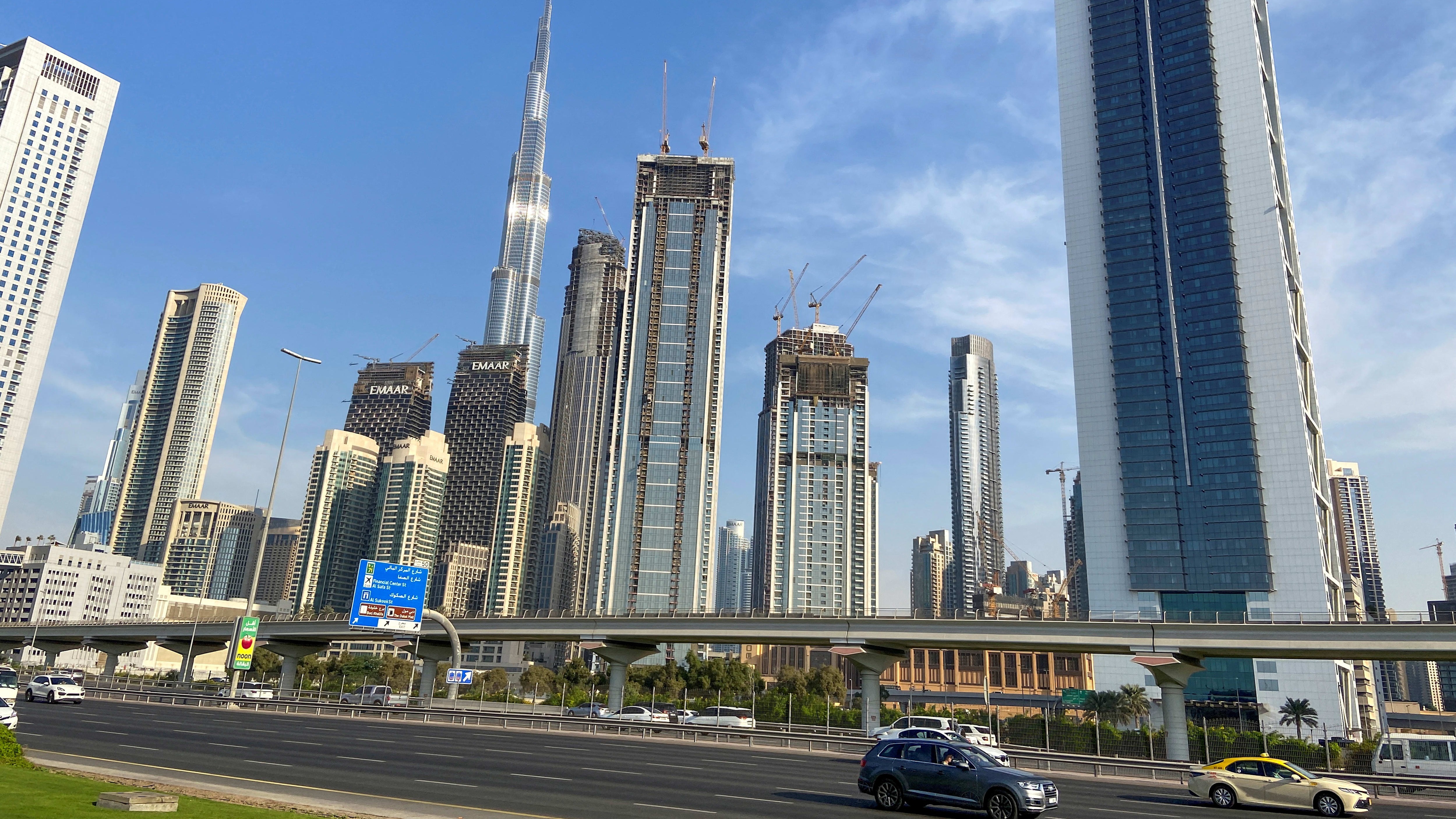
The recent suspension of trade and commercial ties between the United Arab Emirates (UAE) and Iran highlights the ongoing tensions in the region. An emergency missile alert in the UAE serves as a stark reminder of the potential threats to the nation’s economy due to the persistent Iranian crisis. As the situation evolves, the implications for local businesses and the economy warrant close attention.
Emergency Missile Alert Raises Concerns
On a recent Tuesday evening, residents in the UAE received alarming messages from the Ministry of Interior. These texts advised individuals to seek safety in secure buildings and to avoid windows and open areas due to potential missile threats. Just ten minutes later, another message reassured the public that the situation was stable, encouraging people to return to their normal routines while remaining vigilant. Although many in Dubai reported no explosions, the incident underlines the ongoing risks the nation faces amidst escalating tensions with Iran.
This brief alert, while resolved quickly, serves as a reminder of the precarious nature of the current geopolitical climate. A finance professional in Dubai commented, “It was brief but a reminder that this ain’t over,” reflecting the underlying anxiety among residents. The timing of these alerts is particularly concerning as the city experiences a resurgence in activity, with families returning from holidays. If such alerts become frequent, they could significantly deter economic growth and affect investor confidence in the region.
Impact on the UAE Economy
Amid ongoing regional escalations, the UAE’s Ministry of Foreign Affairs announced a suspension of all trade, commercial exchanges, and financial transactions with Iran until further notice. This shift in policy reflects the urgent need to safeguard national security and economic stability. The UAE has faced numerous challenges since the onset of the conflict, being a primary target for over 2,800 missile and drone attacks, accounting for a substantial portion of the region’s overall threats.
Furthermore, the tourism sector, a pivotal component of the UAE’s economy, has suffered greatly during this turmoil. Recent statistics indicate that hotel occupancy rates in Dubai fell by about a third compared to the same month the previous year, highlighting a downturn exacerbated by renovations in many establishments due to dwindling demand. This highlights the fragile nature of tourism and its direct correlation with regional stability.
Recent Developments and Their Significance
Despite a temporary lull in missile attacks against the UAE since May, Iran’s military has still engaged in aggressive actions, such as targeting oil tankers related to the Abu Dhabi National Oil Company (ADNOC) in the Strait of Hormuz. This shift away from direct missile threats may deter immediate impacts but still incites significant concern among business leaders and residents. The UAE’s defense ministry reported the detection of two ballistic missiles launched from Iran, with one landing within its territorial waters. These developments indicate a heightened state of alert, emphasizing the fragility of peace in the region.
In meetings between UAE President Mohamed bin Zayed al-Nahyan and US President Donald Trump, discussions around mutual interests and regional issues were at the forefront. Such diplomatic engagements aim to strengthen ties and address the ongoing challenges facing both nations. However, as recent events underscore, the path toward stability remains fraught with obstacles, and continued vigilance is essential for safeguarding the economy and ensuring public safety in this turbulent landscape.
In conclusion, while the UAE has made strides in managing its economic landscape amidst these strains, the enduring conflict with Iran poses serious risks. The need for robust security measures and diplomacy will be critical to navigating the ever-changing circumstances ahead.