
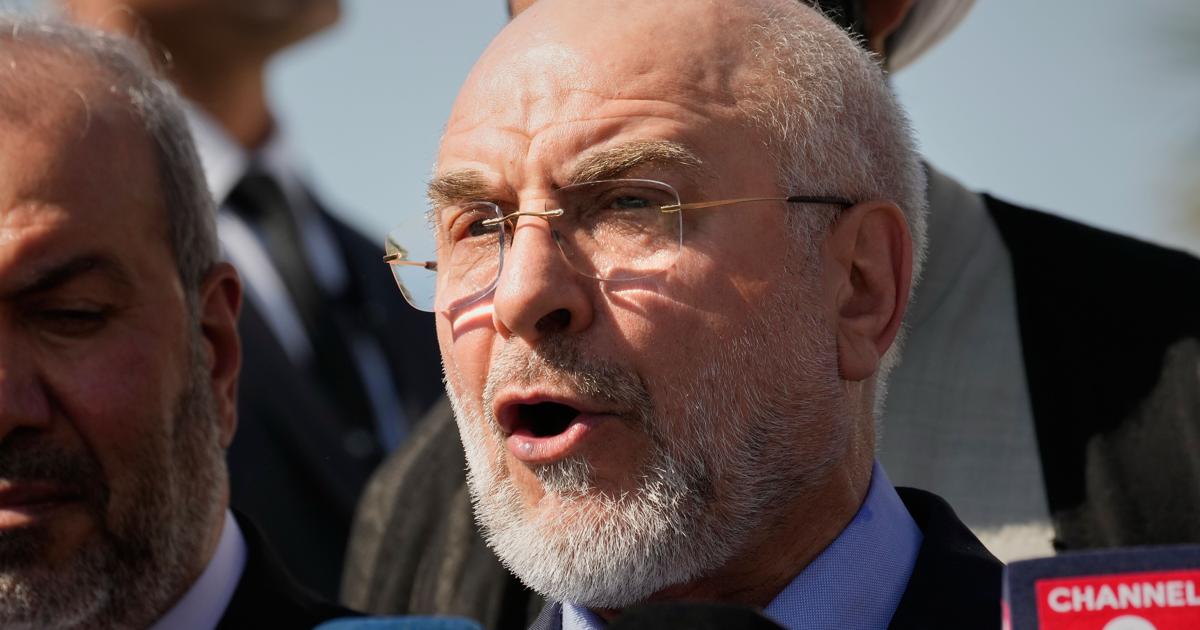
On the outskirts of Baghdad, a significant event unfolded as Iran’s Parliament Speaker, Mohammad Baqer Qalibaf, spoke at the location where Iranian military leader Qassem Soleimani lost his life to a U.S. drone strike. This moment not only marks a pivotal point in regional politics but also highlights the lingering tensions between Iran and the United States.
Historical Context of Soleimani’s Death
The assassination of Qassem Soleimani on January 3, 2020, represented a turning point in U.S.-Iran relations. Soleimani, the head of Iran’s Quds Force, was considered a central figure in advancing Iran’s influence in the Middle East. His death raised immediate questions about the implications for stability in the region. Following the strike, Iran vowed to retaliate, leading to several escalatory events, including missile strikes on U.S. military bases in Iraq.
As time passes, the impact of Soleimani’s death continues to resonate throughout the geopolitical landscape. His influence extended beyond Iran, as he played a crucial role in Lebanon, Syria, and Iraq. The power vacuum created by his absence has prompted various factions within Iraq and neighboring countries to reassess their alliances and strategies.
The Ongoing Aftermath
On the anniversary of his death, Qalibaf’s remarks reflect Iran’s enduring commitment to Soleimani’s vision. He emphasized the importance of resistance and the need to confront adversaries, particularly the U.S. This rhetoric resonates not just within Iran but across various groups in the region that align with Iran’s interests. The anniversary serves as a focal point for nationalistic sentiment among many Iranians who continue to view Soleimani as a martyr.
Although the U.S. has attempted to pivot its strategy in the Middle East, the consequences of Soleimani’s assassination still haunt its policies. Iran’s retaliatory measures following the drone strike were a clear indicator of the lengths it would go to defend its interests. Despite pressures, the Iranian leadership has shown resilience in maintaining its influence in Syria and supporting armed groups such as Hezbollah.
Implications for U.S. Foreign Policy
The repercussions of Soleimani’s death have compelled U.S. strategists to reevaluate their approach to Iran. The ongoing tensions have complicated the landscape for negotiations pertaining to Iran’s nuclear program and other regional issues. As U.S. officials grapple with the complex dynamics, they recognize that military action alone will not resolve the underlying conflicts. Diplomacy remains an essential component, albeit fraught with challenges, given the prevailing mistrust.
Furthermore, the geopolitical chessboard in the Middle East has shifted dramatically. Countries like Iraq find themselves caught between competing influences from both the U.S. and Iran. This complexity makes it increasingly difficult for Baghdad to pursue a consistent foreign policy, as various factions advocate for either closer ties with Washington or stronger alliances with Tehran.
In conclusion, the legacy of Qassem Soleimani continues to shape the discourse surrounding U.S.-Iran relations and Middle Eastern politics as a whole. With each passing year, the impact of his assassination remains a topic of intense discussion, driving both Iranian domestic sentiment and U.S. foreign policy considerations. The memory of Soleimani is more than a historical footnote; it symbolizes a broader struggle for influence and power that will likely unfold for years to come.