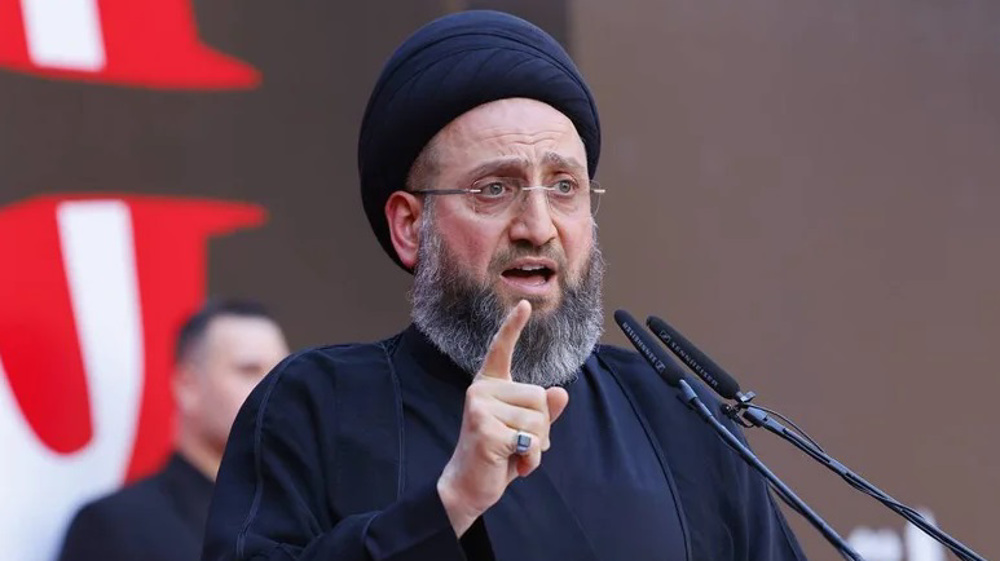
Senior Iraqi cleric Ammar al-Hakim emphasizes that the planned funeral processions for the late Ayatollah Seyyed Ali Khamenei will symbolize a significant show of unity between the Iraqi and Iranian nations. As the leader of Iraq’s National Wisdom Movement, al-Hakim expressed in a recent interview that these ceremonies would provide an opportunity for Iraqis to openly demonstrate their compassion and solidarity with the Iranian people and honor the legacy of the martyred leader.
Significance of the Funeral Ceremonies
Al-Hakim highlighted that the upcoming memorial services for Ayatollah Khamenei in the revered cities of Najaf and Karbala align with the late leader’s wishes. He characterized Khamenei as “the Leader of a nation who was unjustly martyred,” noting that his untimely death obstructed his lifelong aspiration to visit the sacred shrines, a hope he could only fulfill posthumously. The cleric urged the people of Iraq to come out in large numbers to the funeral processions, viewing this as a powerful gesture of solidarity between the two nations.
The late Ayatollah led the Islamic Revolution from 1989 until his martyrdom on February 28, during a period marked by increased aggression from the United States and Israel against the Islamic Republic. Following extensive farewell ceremonies in Tehran and Qom, commemorative events are set to take place in Iraq’s holy cities, which are significant in the Shia tradition. The culmination of these proceedings will occur in Mashhad on July 9, where Ayatollah Khamenei will be interred at the shrine of Imam Reza (AS), the eighth Imam in Shia Islam.
Enduring Leadership and Principles
Al-Hakim praised Iran’s leadership for adhering consistently to the foundational principles established by Imam Khomeini, the founder of the Islamic Republic, and echoed in the policies of the martyred leader. He voiced confidence that Ayatollah Khamenei’s son and successor, Ayatollah Seyyed Mojtaba Khamenei, would continue this legacy of principled leadership.
Historical and Cultural Links between Iraq and Iran
In discussing the bilateral relationship between Iraq and Iran, al-Hakim characterized it as longstanding and profoundly engrained. He referred to the 1,400-kilometer border shared by the two nations, underscoring their extensive cultural, social, and economic ties. The cleric emphasized that historical borders have never truly divided the peoples, noting that families and tribes extend from northern Iraqi Kurdistan to the southern regions, connected by shared heritage and familial bonds on both sides of the frontier.
Al-Hakim’s firm stance on the close ties between Iraq and Iran reflects a broader sentiment of interconnectedness that transcends political boundaries. His appeal for large public participation in the funeral processions is seen as a testament to the enduring solidarity that exists between the Iranian and Iraqi peoples, grounded in a shared history and mutual respect. As both nations remember a significant leader, the upcoming ceremonies serve to reinforce these deep-rooted connections amidst an evolving geopolitical landscape.