
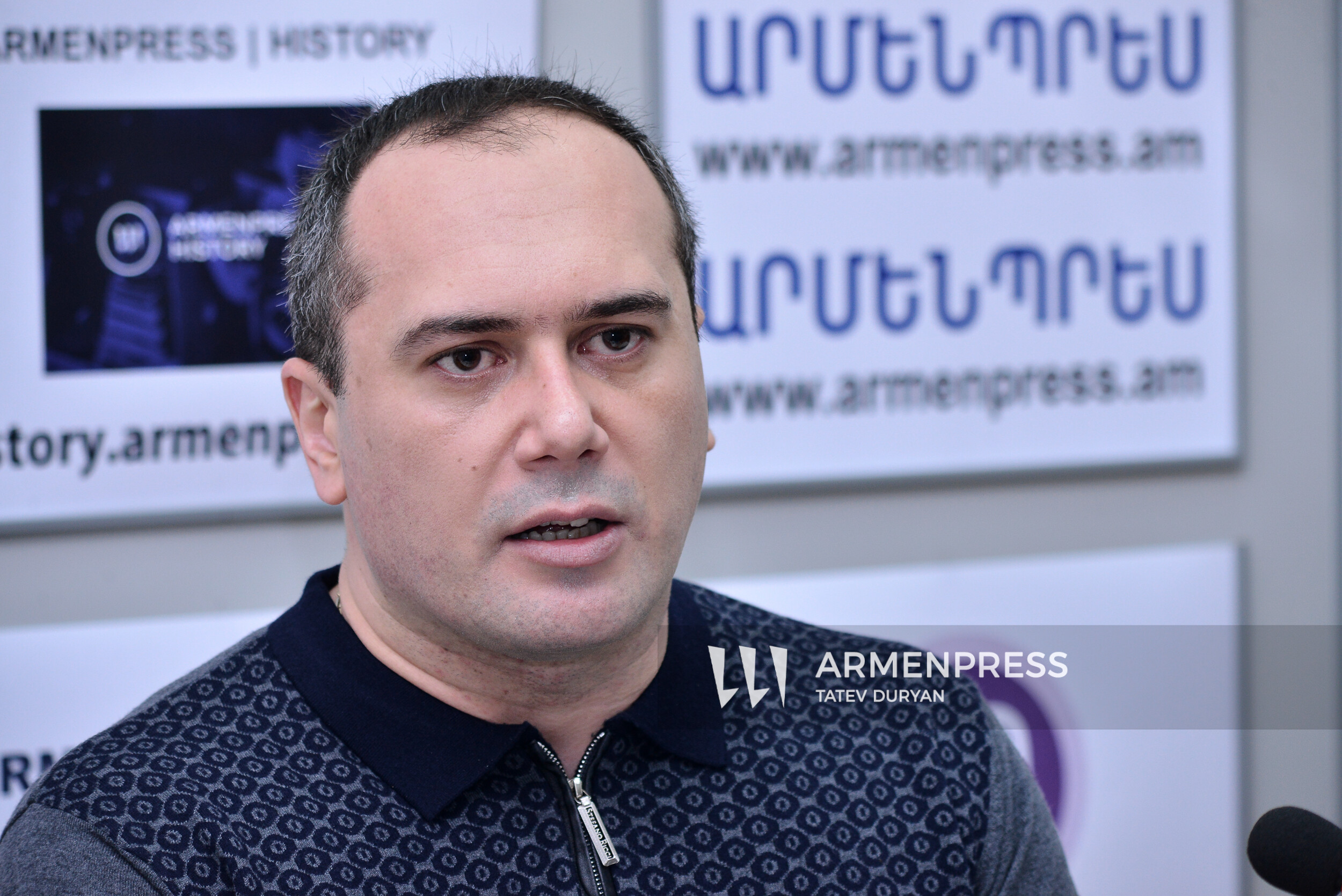
Political analyst Armen Petrosyan offers insight into why Israel has recently revisited the topic of recognizing the Armenian Genocide. This development comes amid rising tensions in the region, global shifts, and particular domestic political dynamics within Israel.
Tensions with Türkiye
First and foremost, the deteriorating relations between Israel and Türkiye serve as a pivotal backdrop. The political friction between the two nations has reached unprecedented heights, characterized by mutual rebukes and accusations. Following Israel’s military operations in Gaza in 2023, Türkiye emerged as a prominent critic, especially from the standpoint of regional Muslim-majority countries. In this heated exchange, Türkiye has accused Israel of genocide against the Palestinians, prompting Israel to counter by revisiting its historical grievances. Specifically, Israel has highlighted Türkiye’s past actions against the Armenian people during the Ottoman Empire, thus bringing the Armenian Genocide back into political discourse.
Petrosyan reminds us that, over the past three years, Israeli officials, including Prime Minister Benjamin Netanyahu, have frequently acknowledged the genocide issue. Recently, the Israeli government has approved a draft bill recognizing the Armenian Genocide and is deliberating on whether to present it to the Knesset for potential passage as law.
Strategic Considerations
Another element influencing Israel’s stance involves its strategic relationship with the United States and shifting dynamics with Türkiye. In recent months, U.S. intentions to enhance defense ties with Türkiye, including potential sales of F-35 fighter jets, pose a significant threat to Israel’s historical air supremacy in the region. Petrosyan notes that should Türkiye successfully pursue such military advancements, it could create considerable challenges for Israel. He suggests that one possible motivation for Israel’s actions regarding the Armenian Genocide may be an attempt to thwart these developments and reassert its position in the region.
Domestic Political Landscape
Moreover, Israel’s internal political landscape cannot be overlooked, particularly with elections approaching in October. The current government aims to rally public support by emphasizing national security concerns. By framing its external adversaries — which now include Iran, Hezbollah, the Syrian government, and Türkiye — as significant threats, Israel seeks to consolidate its standing among voters. Petrosyan argues that highlighting these external dangers will help keep public attention fixated on ongoing security issues.
Implications for Armenia-Türkiye Relations
When asked about the potential repercussions of Israel’s recognition of the Armenian Genocide on Armenia-Türkiye relations, Petrosyan acknowledges that it may impact bilateral dynamics. However, he clarifies that Israel’s motivations are rooted in its own strained relations with Türkiye rather than an intention to interfere in Armenia-Türkiye normalization processes. The Israeli government appears more focused on addressing its own political friction with Türkiye than on fostering long-term stability or resolving issues between Armenia and Azerbaijan.
In conclusion, Petrosyan asserts that for Israel to genuinely advocate for recognition of the Armenian Genocide, it should first engage in dialogue with Armenian authorities or the Armenian diaspora in Israel. His point is underscored by a recent conversation between Israel’s foreign minister and Azerbaijan’s counterpart, indicating that Israel is navigating these waters with a keen eye on managing the delicate balance of regional relations. Ultimately, Petrosyan suggests that Israel’s actions are driven by its own political interests rather than a commitment to the Armenian cause.