
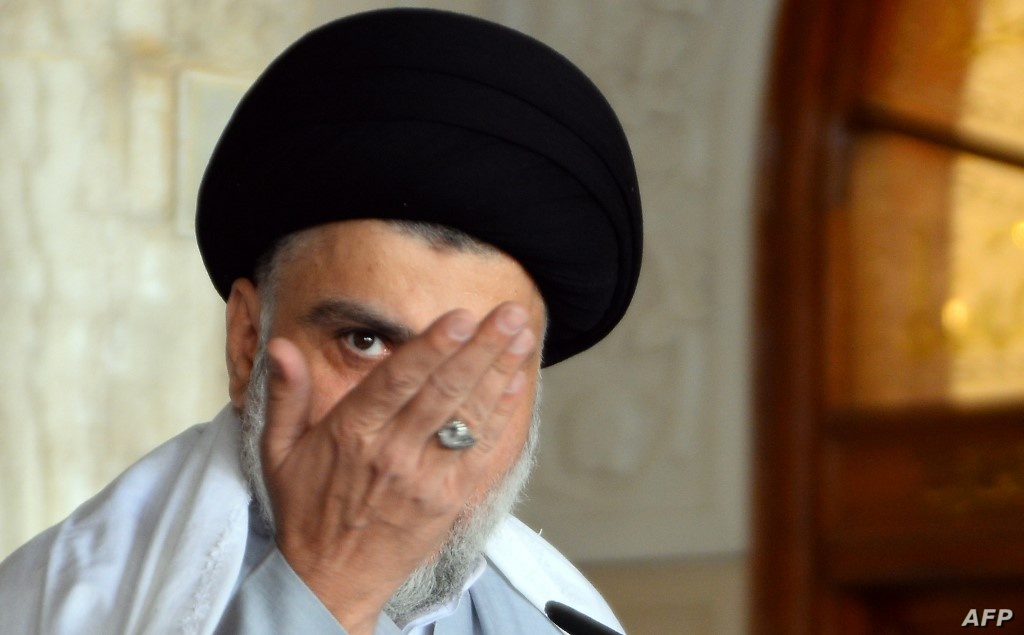
Political dynamics are shifting across Europe, with significant influence attributed to external pressures from allies, particularly the United States and Israel. Muqtada Al-Sadr, the leader of the Patriotic Shiite Movement (PSM), has voiced concerns regarding the mounting unrest in Europe, urging a reevaluation of political and economic relationships both within the continent and in the Middle East.
Europe’s Political Landscape and External Influence
Al-Sadr has argued that the current turmoil in Europe could be a result of political maneuvering aimed at compelling European governments to align more closely with U.S. military initiatives. He referred to the potential for a “European spring” fueled by growing frustration and economic discontent. However, he cautioned that this may actually lead to a “European autumn,” characterized by political decadence, suggesting a deeper underlying conflict among allies rather than a purely domestic uprising.
The complexity of Europe’s challenges is intertwined with multiple geopolitical factors. Al-Sadr points to critical issues such as the closure of the Strait of Hormuz, ongoing conflicts stemming from the war in Ukraine, and tensions between the U.S. and both Iran and China. He foresees a future where the U.S. increasingly resorts to proxy warfare, which will expose its allies to severe military and domestic repercussions, regardless of whether they choose to participate in U.S.-led campaigns.
The Middle East Connection
Turning his attention to the Middle East, Al-Sadr has emphasized the importance of unity among Arab and Muslim nations. He advocates for a reassessment of their relationships with Western powers, calling for healing and reconciliation among conflicting parties within the Gulf region, particularly between Saudi Arabia and Yemen. Al-Sadr warns that ongoing strife could intensify U.S. influence and help perpetuate additional proxy conflicts in countries like Iraq, Lebanon, and Syria.
The essence of Al-Sadr’s message hinges on the importance of fostering cooperation among Middle Eastern nations, especially in light of external pressures. His call to action highlights the critical need for these countries to consolidate their positions and re-evaluate their engagement with the West, which can lead to more stable regional dynamics.
Economic Strains and Political Solutions
The connection between economic hardship and political unrest is not just relevant to Europe. Al-Sadr’s observations also ring true for several Middle Eastern countries grappling with similar challenges. By addressing their economic woes together, Arab nations could create stronger diplomatic ties and potentially counterbalance external manipulation that fosters division and conflict.
As these issues unfold, the key for both Europe and the Middle East may lie in redefining alliances and engaging in more meaningful, independent dialogue. By doing so, nations can work toward a more peaceful and cooperative future, ultimately mitigating the risk of escalating geopolitical tensions that have proven detrimental to regional stability.
In conclusion, Al-Sadr’s insights shed light on the interconnectedness of global politics and economics. Greater understanding and collaboration among nations could pave the way for lasting solutions that prioritize peace and stability, reducing the likelihood of external exploitation.