
The political landscape between Iraq and Kuwait is increasingly defined by the contest over the Khor Abdullah waterway. This debate has gained momentum following the request from the Popular Movement Against the Khor Abdullah Agreement for Iraq’s leadership to prioritize the waterway in discussions with Kuwait. The proposed discussions will take place as part of a newly established committee aimed at resolving long-standing issues between the two nations.
Calls for Priority on Khor Abdullah
On a recent Sunday, the Popular Movement made an official appeal for the contentious waterway to be placed on the agenda of a new Iraq-Kuwait committee. This group has been designed to tackle unresolved bilateral issues and is tasked with generating a roadmap for resolution within a month. The movement has positively recognized the diplomatic efforts being made by both Baghdad and Kuwait to address outstanding issues through dialogue. However, they emphasize the necessity of prioritizing Khor Abdullah in alignment with Iraq’s Constitution, domestic laws, and pertinent international maritime regulations.
The group is urging for the establishment of independent technical and legal panels composed of experts in various fields, including international law and maritime governance. It’s essential that these panels collaborate with Iraqi institutions responsible for the country’s nautical charts, a step they believe will facilitate a more comprehensive review of the situation surrounding the waterway.
Legal Context and Historical Resolutions
The request for reinvigorated talks also highlights a noteworthy element concerning Iraq’s position on navigation through Khor Abdullah. Citing a recent ruling from Iraq’s Federal Supreme Court, the movement points out that Law No. 42 of 2013, which sanctioned the navigation agreement with Kuwait, was deemed unconstitutional. According to this ruling, the procedures that led to the ratification of that law were flawed. This adds another layer of complexity to the issue, suggesting that Iraq may need to formally articulate its stance regarding Khor Abdullah to Kuwait.
The potential for broadening discussions to encompass various unresolved maritime and land boundary matters, including associated rights and oil fields, is also presented as part of the movement’s recommendations. This approach might not only facilitate a resolution on Khor Abdullah but could also pave the way for addressing other contentious issues affecting the two countries.
Understanding the Khor Abdullah Agreement
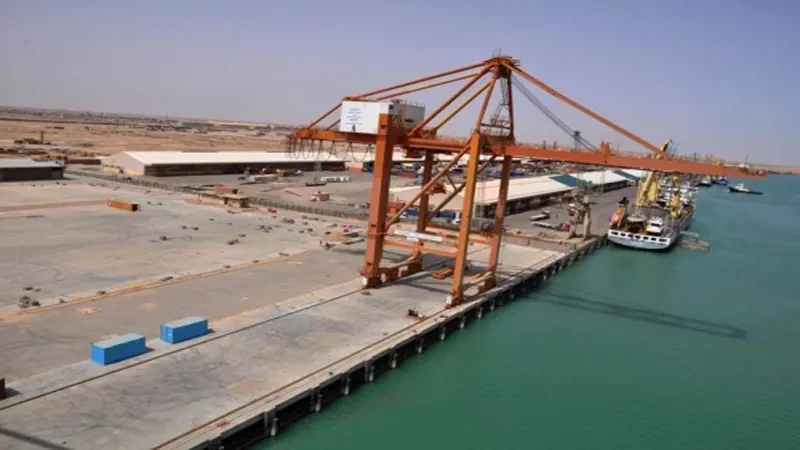
The Khor Abdullah Agreement, signed in 2012, has been aimed at regulating navigation and security within this crucial waterway—the sole maritime access Iraq possesses to the Arabian Gulf. The waterway serves as a vital artery connecting significant ports like Umm Qasr and Grand Al-Faw to international shipping routes. Since its ratification, the agreement has sparked significant debate in Iraq, particularly following the recent Supreme Court ruling that calls into question its validity and the legal frameworks governing the waterway.
The backdrop of this ongoing contention is rooted in United Nations Security Council Resolution 833, enacted after the Gulf War, which delineated the borders between Iraq and Kuwait. The ongoing discussions are crucial for both countries, not only for ensuring maritime rights but also for addressing broader economic interests tied to the waterway.
As these diplomatic talks unfold, the world will be watching closely. International dynamics may be affected as Iraq and Kuwait work through their grievances. The proposed committee may serve as a foundation for establishing a path forward, signifying a hopeful turn in their historically complicated relationship.