
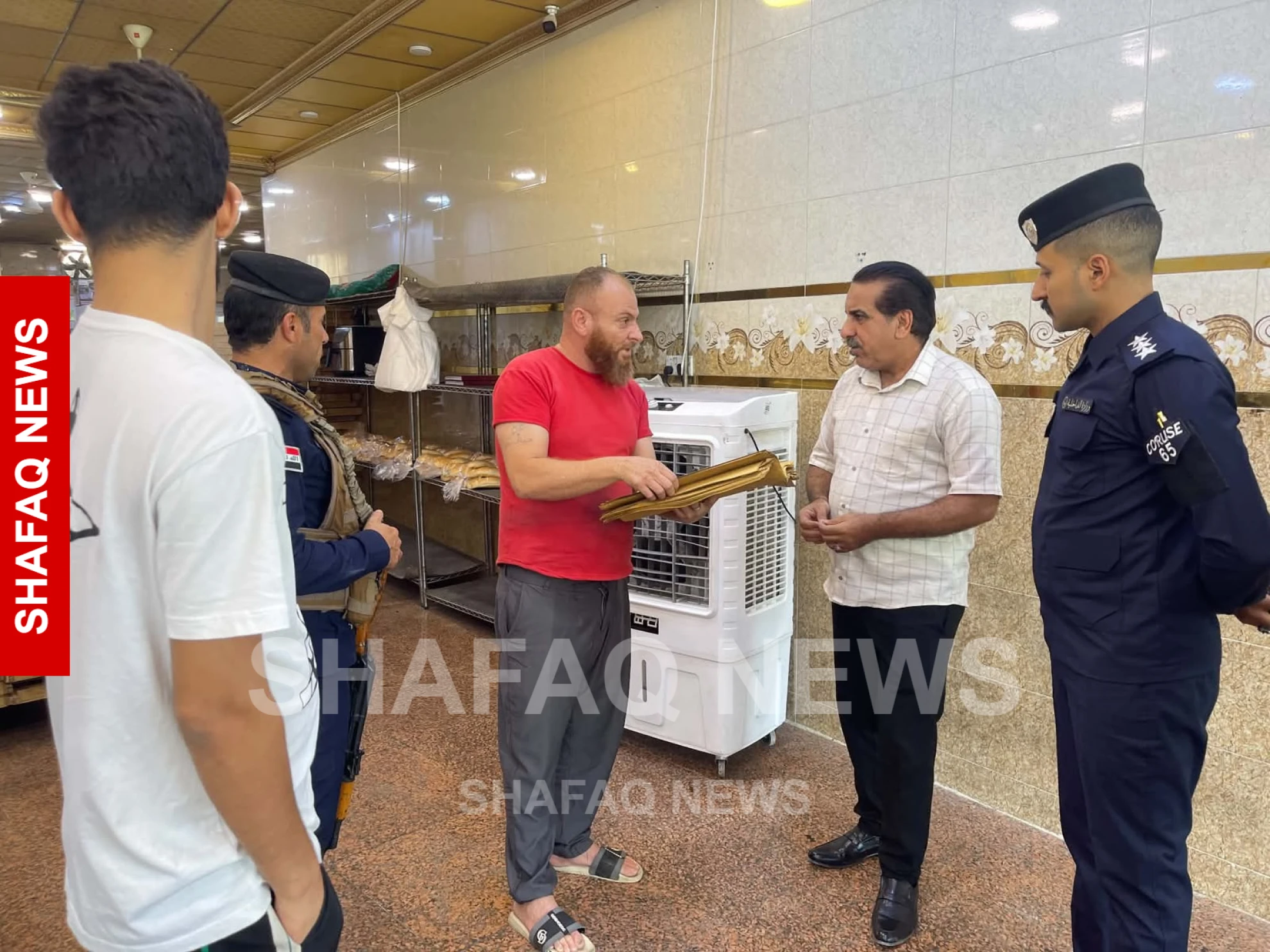
Health and environmental authorities in Al-Anbar, Iraq, are ramping up inspections of local markets and food establishments to ensure adherence to health standards. This initiative is particularly relevant as the region grapples with ongoing concerns about food safety and environmental hygiene.
Increased Inspections to Uphold Health Standards
Mohammed Sabah Dawood, the head of Al-Anbar’s Public Health Department, detailed that the Health Ministry conducts an annual campaign focused on evaluating compliance in various businesses. This year, several establishments have already faced closure due to repeated health violations. Despite the enforcement actions, Dawood noted that the overall number of offenders remains minimal compared to the breadth of the inspection campaign. Health officials are committed to transparency, promising to provide final closure statistics to the Health Ministry once this year’s evaluations conclude.
The inspections are robust and ongoing, aiming to foster public awareness regarding health and safety issues. Thanks to these initiatives, community response has been overwhelmingly positive, indicating a growing consciousness about health standards. Inspectors rely not only on regular checks but also collaborate closely with security agencies, enhancing the efficacy of their efforts to address non-compliant businesses.
Collaborative Efforts for Environmental Safety
Incorporating the expertise of volunteers in health, water, and environmental sectors, the inspection team seeks to cover a broad spectrum of establishments, including cafés, butcher shops, and restaurants. Samim Salam, a specialist in health and environmental matters, emphasized the significance of suitable food-handling practices during these inspections. Working alongside security units, inspectors are dedicated to ensuring all establishments meet environmental and health requirements.
Furthermore, Prime Minister Ali Al-Zaidi has urged the adoption of sustainable alternatives to plastic bags in food-related businesses. Salam advocated for locally made palm-leaf products, known as khous, as an eco-friendly substitute to reduce plastic use. These steps aim to mitigate the risks posed by microplastics and nanoplastics that may leach into food, raising long-term health concerns for consumers.
Year-Round Inspections and Legal Compliance
In addition to the concentrated campaign currently underway, environmental activist Mohammed Azhad has called for ongoing inspections that encompass all commercial sectors, particularly focusing on food-handling materials. He argues that continuous monitoring is crucial for maintaining consistent compliance and ensuring public safety. Azhad stresses the importance of educating the public about health standards while advocating for legal action against recurring violators.
Moreover, some recent developments in Iraq’s environmental policies include a ban on plastic bags, further reflecting the government’s commitment to addressing plastic pollution. These regulations, aimed at prohibiting plastic use in bakeries and curbing free distribution, are part of a broader strategy to enhance food safety and protect public health.
In conclusion, the health sector’s proactive measures in Al-Anbar reveal a collective effort to enhance community safety and health standards. Through increased inspections, public campaigns, and legislative initiatives targeting plastic waste, Al-Anbar is making substantial strides toward a healthier environment. These actions demonstrate a commitment to not only immediate health concerns but also long-term sustainability, making it imperative for ongoing community participation and compliance.