
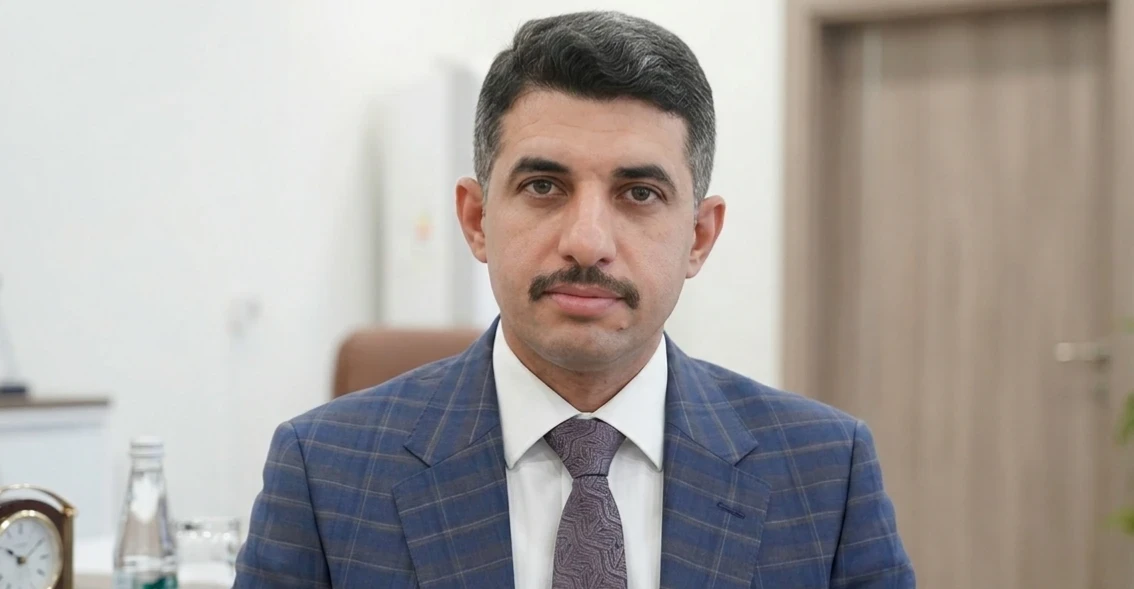
Iraqi authorities are intensifying their efforts to tackle corruption, particularly in relation to a major investigation involving former Oil Ministry official, Adnan Al-Jumaili. Following his recent arrest, a wider inquiry has emerged, leading to multiple detentions. This article delves into the ongoing corruption investigations in Iraq, highlighting the developments surrounding Al-Jumaili and others implicated.
The Arrest of Adnan Al-Jumaili
Adnan Al-Jumaili, a former deputy oil minister for refining affairs and the ex-director-general of North Refineries Company, was apprehended on May 30 for suspected misuse of public funds linked to the Baiji Refinery. He was officially removed from his director position just days later, on June 2. Recent statements made during his questioning have sparked a significant expansion of the investigation, prompting authorities to pursue further arrests and evaluate additional government contracts. The inquiry forms part of a broader anti-corruption campaign known as the “Dawn Crackdown,” which has garnered public attention.
Wider Implications of the Investigation
By mid-August, investigations had led to the recovery of over $100 million in cash, alongside gold assets, properties, and vehicles. Investigators even discovered cash concealed in various locations, including walls and water bottles, highlighting the extensive nature of the corruption. The case has not only involved Al-Jumaili but also attracted scrutiny towards lawmakers, officials, and business figures tied to the oil sector, reflecting a systemic issue affecting governance in Iraq.
Recent Developments and Arrests
On August 31, the Central Anti-Corruption Criminal Court announced significant asset seizures related to the case, including 7 billion IQD (approximately $5.32 million) and $5.5 million, as well as 35 properties and six vehicles belonging to Al-Jumaili’s office director, Alaa Mohsen Khalaf. Additionally, the security forces arrested Hussein Talib Abboud Marouh Al-Fadhli, director-general of the Oil Products Distribution Company, days before he was to assume a role as a lawmaker. This arrest underscores the growing movement against corrupt practices within state institutions.
Connections and Broader Impact
The investigation has also benefitted from the arrest of Ghassan Al-Jumaili, Adnan’s brother, who leads the training department at the Baiji Oil Institute. Captured on September 5, he faces accusations related to corruption, although specific charges have yet to be publicly disclosed. This adds a personal dimension to the case, illustrating the ripple effects of corruption on family and professional ties within the oil sector.
In conclusion, the ongoing anti-corruption efforts in Iraq signal a significant shift in the government’s approach to handling malpractices in public office. With high-profile arrests and dramatic recoveries of misappropriated funds, the case of Adnan Al-Jumaili exemplifies the serious challenges Iraq faces in combatting corruption. These actions not only highlight the critical need for transparency and accountability but also provide hope for restoring public trust in the system.
As the investigation unfolds, the Iraqi government’s commitment to combating corruption remains essential in reshaping the landscape of governance and fostering a more equitable future for its citizens.