
The ongoing conflict between the United States and Iran, which has entered its seventh month, has significantly impacted regions like Yemen, the Red Sea, and Iraq. Despite the escalating tensions, experts indicate that a broader regional war seems improbable in the near future. Various factors, including the upcoming U.S. midterm elections and pressure from Gulf states to stabilize the situation, are likely to prevent an extensive escalation.
Impact on Yemen and Regional Dynamics
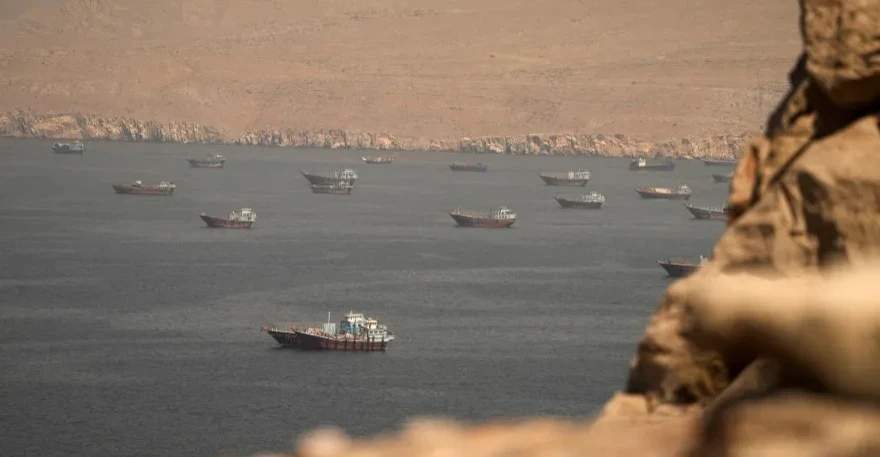
The conflict commenced on February 28, 2026, and has notably influenced the situation in Yemen and the surrounding Red Sea area, where the Iran-aligned Houthi forces have gained substantial ground. They have captured critical territories along Yemen’s western coast and around Bab al-Mandeb, a vital strait connecting the Red Sea to the Gulf of Aden. In recent weeks, the Houthis successfully seized the strategic Red Sea port of Mocha and Perim Island, raising alarms about their expanding influence.
Iraq’s Sovereignty Under Threat
In Iraq, the conflict has put the capabilities of Baghdad to retain its sovereignty to the test. On September 10 and 11, drones originating from Iraqi territory targeted two pump stations on Saudi Arabia’s East-West pipeline. This pipeline is crucial as it transports oil from Saudi Arabia’s Eastern Province to the Red Sea, bypassing the Strait of Hormuz. The Saudi government has reported that the drone strikes forced a precautionary shutdown of this vital oil artery.
The Iraqi government has acknowledged the origin of the drone attacks and has initiated an investigation to address the security lapse. Prime Minister Ali al-Zaidi has taken decisive steps by dismissing key military personnel in charge of the Maysan Operations Command and calling for accountability among provincial security officials. Iraqi leaders have expressed firm opposition to the use of their territory for assaults against neighboring nations. Various armed factions within Iraq have denied involvement in these attacks and are cooperating with ongoing investigations.
Energy Supply Concerns and Global Implications
The ongoing tensions have raised serious concerns regarding energy supplies, particularly through key waterways. U.S. officials have noted a recovery in oil flows through the Strait of Hormuz; however, independent shipping trackers suggest that actual transit numbers may be far less than reported. The drone attacks on Saudi Arabia’s East-West pipeline have severely impacted oil supply, disrupting the flow of approximately four million barrels per day, with full repairs expected to take weeks.
Experts warn that escalating the conflict could carry significant economic ramifications on a global scale. Samir Faraj, a retired Egyptian military figure, posited that disrupting shipping routes—especially during a time of upheaval in Hormuz—could have dire consequences. For the time being, Egypt and Saudi Arabia are focusing their efforts on ensuring stability in the Red Sea and advocate for negotiations rather than combat.
A Careful U.S. Strategy
The United States continues to manage the crisis indirectly while avoiding direct military engagement. Recent reports indicate that U.S. officials have been in talks with Houthi representatives to ensure that Bab al-Mandeb remains open for shipping. Meanwhile, a U.S. military team is assisting Saudi forces through intelligence-sharing without taking part in active operations. There have also been meetings among U.S. military officials and their Arab counterparts concerning the ongoing conflict and security cooperation.
With the upcoming U.S. midterm elections serving as an important backdrop, experts believe that the conflict will remain tightly contained, and large-scale military actions are unlikely. As several conditions will shape the future course of the conflict, including the results of Iraq’s investigations and the state of Bab al-Mandeb, the global community remains watchful and cautious regarding potential developments in this fraught geopolitical landscape.