
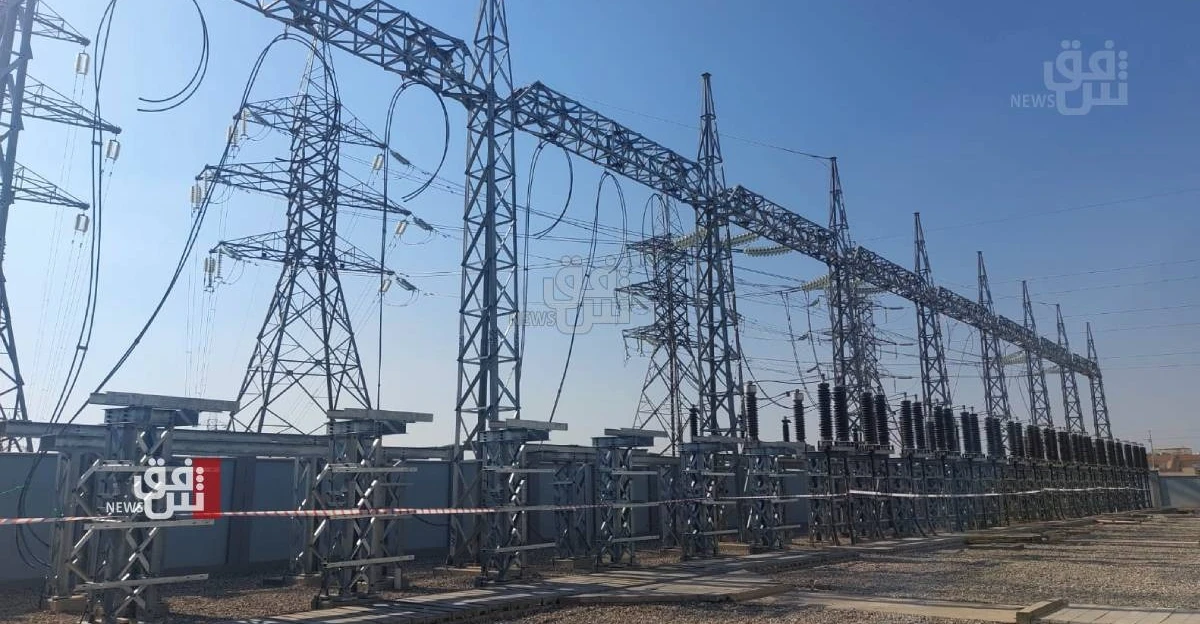
Iraq’s electricity sector faces significant challenges, with a growing reliance on foreign energy and reductions in domestic power generation. Recent analyses highlight a troubling dependency on purchased electricity and falling hydroelectric output due to ongoing water scarcity issues.
Dependence on Imported Electricity
As reported by Eco Iraq, approximately 41% of Iraq’s electricity supply is sourced from investment projects and neighboring countries. This dependence has raised concerns about the sustainability of the national grid, especially as local production remains inconsistent. In 2025, Iraq generated about 170 million megawatt-hours of electricity, a figure reflecting the ongoing struggles within the sector.
Decline in Hydroelectric Production
The Eco Iraq economic monitor has pointed out a steep decline in hydroelectric generation, which has dropped by nearly 51% due to severe drought conditions. This drop in output has seen electricity production from hydro sources fall from roughly 3.48 million megawatt-hours in 2024 to about 1.71 million megawatt-hours in 2025. The situation is exacerbated by diminishing water levels in rivers and dams, highlighting a pressing environmental challenge.
Government Power Generation Challenges
Government-operated power stations, managed by the Ministry of Electricity, currently contribute around 59% of Iraq’s total energy output. However, the sector grapples with severe operational inefficiencies. One troubling report detailed thermal efficiency drops at gas and steam plants below 20%. Additionally, maintenance delays and a lack of spare parts have caused power stations and transmission lines to be out of commission for extended periods, further complicating the situation.
Factors Affecting Power Supply
The Ministry of Electricity has identified multiple factors affecting power supply reliability. Key issues include reduced gas supply and unauthorized withdrawals from the electricity grid. These factors have led to extensive power outages in many provinces, especially during peak demand periods. The combination of dwindling domestic production and increased reliance on imported electricity paints a stark picture of Iraq’s energy future, raising alarms about potential long-term impacts on economic stability and growth.
In conclusion, Iraq’s electricity landscape is fraught with difficulties that demand urgent attention and innovative solutions. Addressing the issues of water scarcity, reliance on foreign energy sources, and enhancing domestic production capabilities will be crucial for achieving a more reliable and sustainable energy future.