
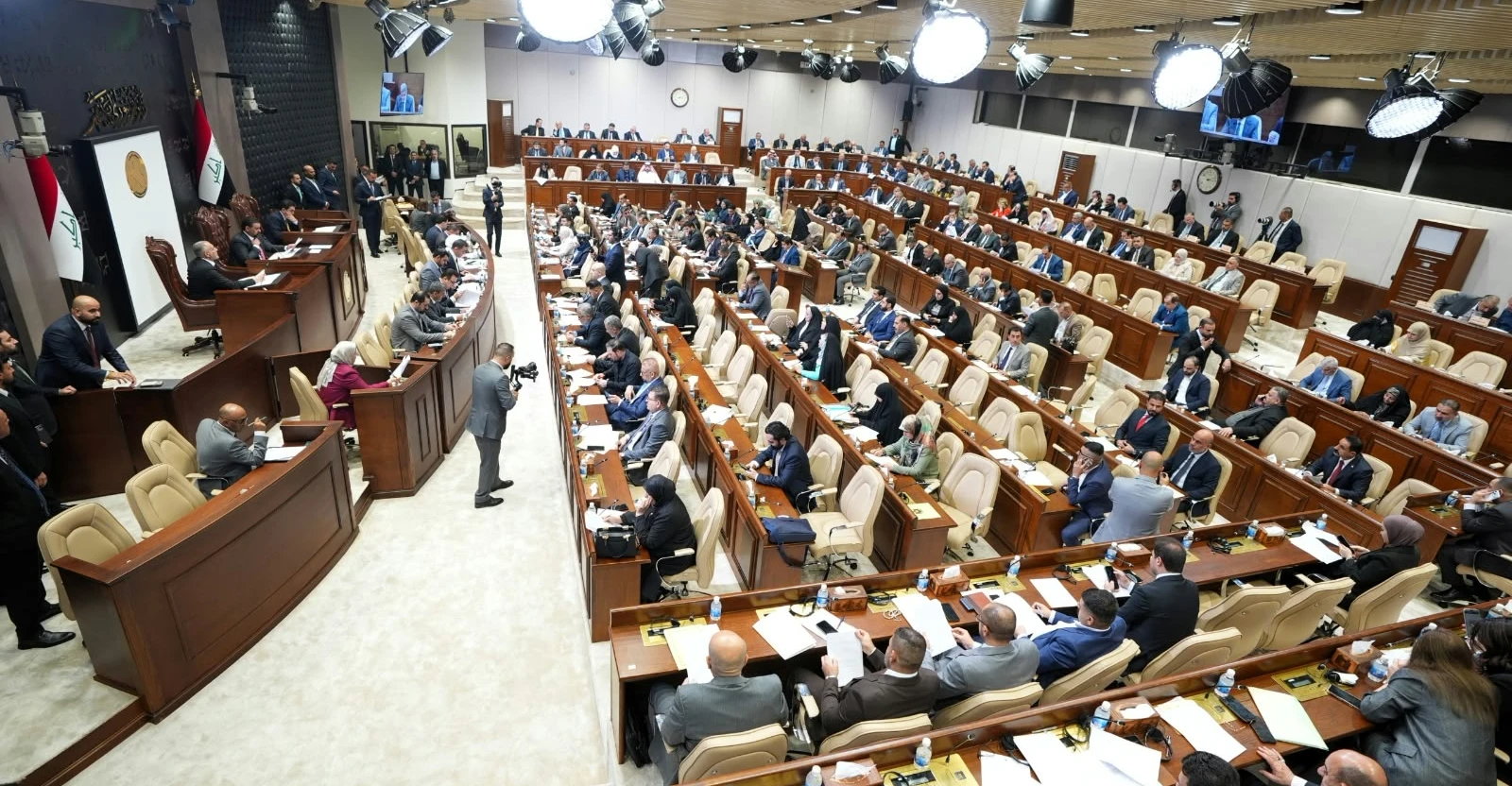
Iraq’s recent economic adjustments have raised significant concerns among lawmakers and citizens alike. The Finance Ministry has set a new base exchange rate of 1,500 Iraqi dinars for every US dollar. This change, announced on October 6, 2026, also included the suspension of advance customs payments, leading to calls for an urgent parliamentary meeting to reverse the decision.
New Currency Measures
The Cabinet’s Resolution No. 544 not only established the new official exchange rate but also suspended the previous Resolution No. 413, which dealt with advance customs collection. The decision followed a recommendation from both the finance minister and the Governor of the Central Bank of Iraq. Under the new decree, three separate rates have been introduced: 1,500 dinars for purchases from the Finance Ministry, 1,510 for sales to banks, and 1,520 for sales by banks and non-financial institutions to customers.
As a result of these adjustments, the retail price officially increased from 132,000 to 152,000 dinars for every $100. This change has rendered each $100 transaction an additional 20,000 dinars more expensive, impacting consumers significantly.
Lawmakers’ Concerns
Amid growing anxiety over rising living costs, lawmakers are urging a subsequent parliamentary session to reevaluate the new exchange rate. MP Ibtisam Al-Hilali of the State of Law Coalition emphasized that if the government’s intent is to navigate the financial crisis through currency adjustments, they should set the rate at 1,400 dinars per dollar or lower. This approach aims to mitigate the repercussions on essential goods and food prices. As Al-Hilali pointed out, any changes to the exchange rate should involve parliamentary consultation in conjunction with the budget to manage the parallel-market rate effectively.
The revised rate is now closer to the parallel market value, where $100 was being sold for approximately 168,500 dinars at certain Baghdad exchange shops, demonstrating a stark disparity from the official value.
Market Dynamics and Economic Pressures
Economist Ali Daadoush has indicated that the widening gap between official and market rates stems from limited dollar access through formal banking channels, rather than a shortage of reserves. The existing restrictions on international transfers and informal trading practices have exacerbated this situation, leading to increased import costs.
Additionally, recent customs processes further compound these economic pressures. The now-suspended customs system required importers to pre-pay an estimated amount in duties and taxes before money could be transferred abroad for goods. This could have meant duties reaching as high as 40%, in addition to tax deposits, significantly inflating initial costs for businesses and consumers alike.
Conclusion
The changes made by Iraq’s Finance Ministry have sparked serious discussions about the potential long-term ramifications for the economy. With lawmakers actively seeking to reassess the newly established rates and the local population facing rising prices, the government’s next steps will be critical. Balancing fiscal responsibility while avoiding economic strain on citizens may prove to be one of Iraq’s foremost challenges in the coming months.