
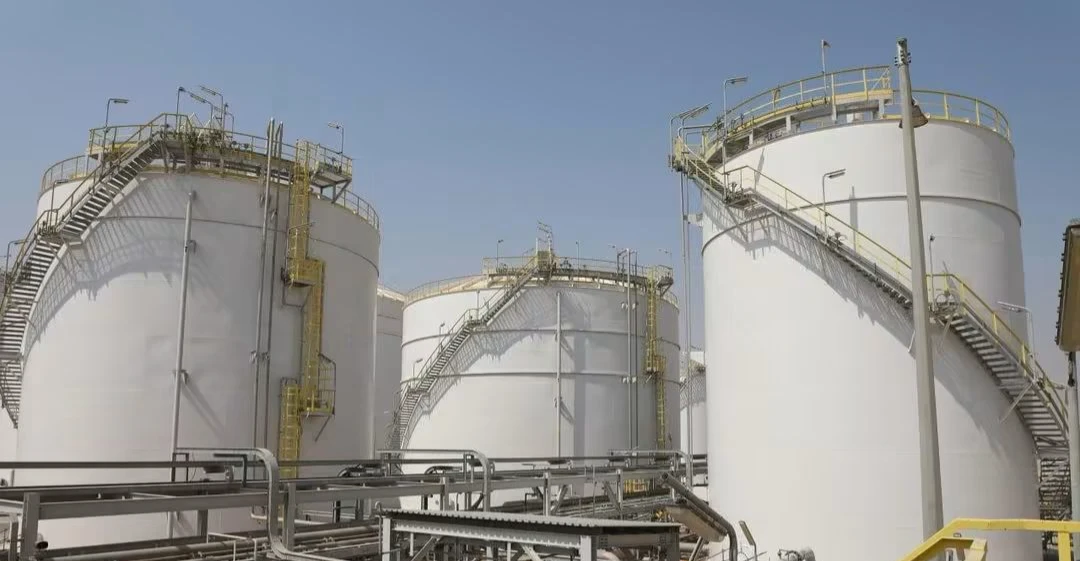
Iraq’s federal budget revenues have reached approximately 45.355 trillion dinars (around $29.84 billion) as of August 2026. The data, sourced from the Finance Ministry, highlights that oil continues to play a crucial role in the nation’s economy, making up roughly 77% of total revenues.
Oil Revenue Breakdown
The figures indicate that oil revenues alone have amounted to about 34.726 trillion dinars ($22.85 billion). In contrast, non-oil revenues have generated around 10.629 trillion dinars ($6.99 billion), which accounts for approximately 23% of the overall budget. This substantial reliance on oil underscores the vulnerability of Iraq’s economic landscape, as fluctuations in global oil prices can significantly impact government revenue.
Expenditure and Budget Deficit
Total expenditures for the first eight months of 2026 have reached around 75.787 trillion dinars ($49.86 billion), resulting in a budget deficit of approximately 30.432 trillion dinars ($20.02 billion). This deficit raises concerns about fiscal sustainability and suggests the need for careful economic planning as the country navigates its financial landscape.
The largest share of current spending has been directed towards employee compensation, which amounts to approximately 40.994 trillion dinars ($26.97 billion). Social welfare spending follows closely behind, accounting for around 18.443 trillion dinars ($12.13 billion). Additional expenses, including grants, subsidies, interest payments, and various other expenditures total about 6.011 trillion dinars ($3.95 billion).
Specific Spending Categories
Detailed analyses reveal that expenditure on commodity supplies reached roughly 2.454 trillion dinars ($1.61 billion). Furthermore, spending on services was about 156 billion dinars ($102.6 million), while asset maintenance accounted for around 48.5 billion dinars ($31.9 million). These expenditures highlight the areas of focus for the government, aiming to balance immediate needs with long-term investment strategies.
Debt servicing has necessitated approximately 7.561 trillion dinars ($4.97 billion) thus far, emphasizing the existing financial obligations that the government must manage. In terms of capital expenditure, this has been relatively modest, standing at around 30.1 billion dinars ($19.8 million), according to the Ministry’s economic classification of spending.
Ultimately, these figures reveal a complex picture of Iraq’s financial health. The overwhelming reliance on oil revenues, coupled with a significant budget deficit, necessitates a critical analysis of future fiscal strategies. Balancing the budget while ensuring essential services and economic growth remains a pivotal challenge for policymakers in Iraq. As the country looks to stabilize and enhance its economic foundation, it must consider diversifying its revenue streams and promoting investment in non-oil sectors to ensure long-term sustainability.