
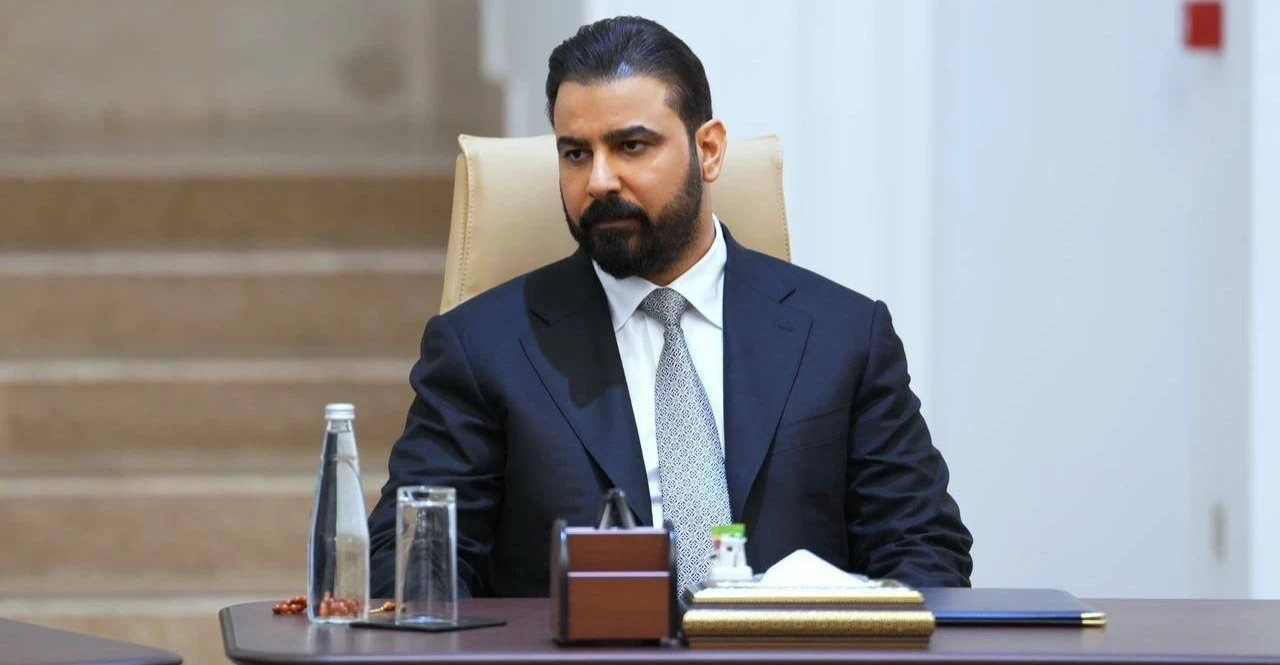
Iraqi Prime Minister Ali Al-Zaidi has announced a significant plan aimed at disarming armed factions in the country, committing to complete this process by June 30, 2027. This crucial initiative is set to initiate with an initial phase of 90 days before any weapons handovers take place. The Prime Minister emphasizes that this strategy is not merely optional; it is a requirement for stabilizing Iraq’s future and managing relationships with both the United States and Iran.
Details of the Disarmament Plan
In a recent interview with The New York Times, Al-Zaidi explained that the disarmament procedure would occur in stages. Initially, the armed groups will be expected to halt any offensive actions, and in return, U.S. forces will refrain from targeting these factions during this period. Following this phase, the plan will shift to the surrendering of weapons, which is anticipated to wrap up by mid-2027. This timeline aims to formalize state control over armed groups, a subject that has stirred significant debate within the Iraqi government.
Political Context and Regional Implications
This announcement is particularly timely as Iraq approaches September 30, a previously agreed-upon date set by the State Administration Coalition for halting armed activities outside official state structures. Political entities, including Shiite, Sunni, and Kurdish groups, have shown support for bringing weapons under state control. Al-Zaidi asserted that his stance on disarmament, coupled with efforts to combat corruption, reflects a personal commitment to Iraq’s sovereignty and stability, in stark contrast to the hesitations exhibited by past leaders.
The Prime Minister noted that others in similar positions had often retreated from their promises due to external pressures or fears. By stating, “For me, this issue is a matter of honor,” he reinforces the urgency and necessity of the plan. This determination suggests that he views effective governance as essential not only for the nation’s stability but also for fulfilling a broader regional strategy amid ongoing tensions, particularly against the backdrop of U.S.-Iran conflicts.
Challenges Ahead
Despite this ambitious roadmap, significant challenges loom on the horizon. Numerous factions have expressed their attachment to their arms in connection with the presence of foreign forces, particularly those from the U.S.-led coalition, which are scheduled to conclude their military mission in Iraq around the same time. This linkage poses a complex issue, complicating Al-Zaidi’s objectives and raising questions about how factions will respond to pressures for disarmament in a rapidly changing political landscape.
As the scheduled end of the coalition’s mission nears, armed factions are expected to reassess their positions, which may influence their compliance with the disarmament process. By establishing a clear timeline for weapon turnover, the government hopes to quell unrest while bolstering national security. However, the path ahead will require delicate negotiations and effective communication among factions to ensure that peace and order prevail in Iraq’s diverse political ecosystem.
In conclusion, Al-Zaidi’s plan to disarm armed factions represents a critical step toward stabilizing Iraq. By committing to a structured timeline and asserting the necessity of state authority over militias, the Prime Minister is not only addressing pressing internal issues but also navigating complex regional dynamics. This endeavor will be closely monitored by both domestic and international stakeholders, as its success may redefine Iraq’s political landscape in the years to come.