
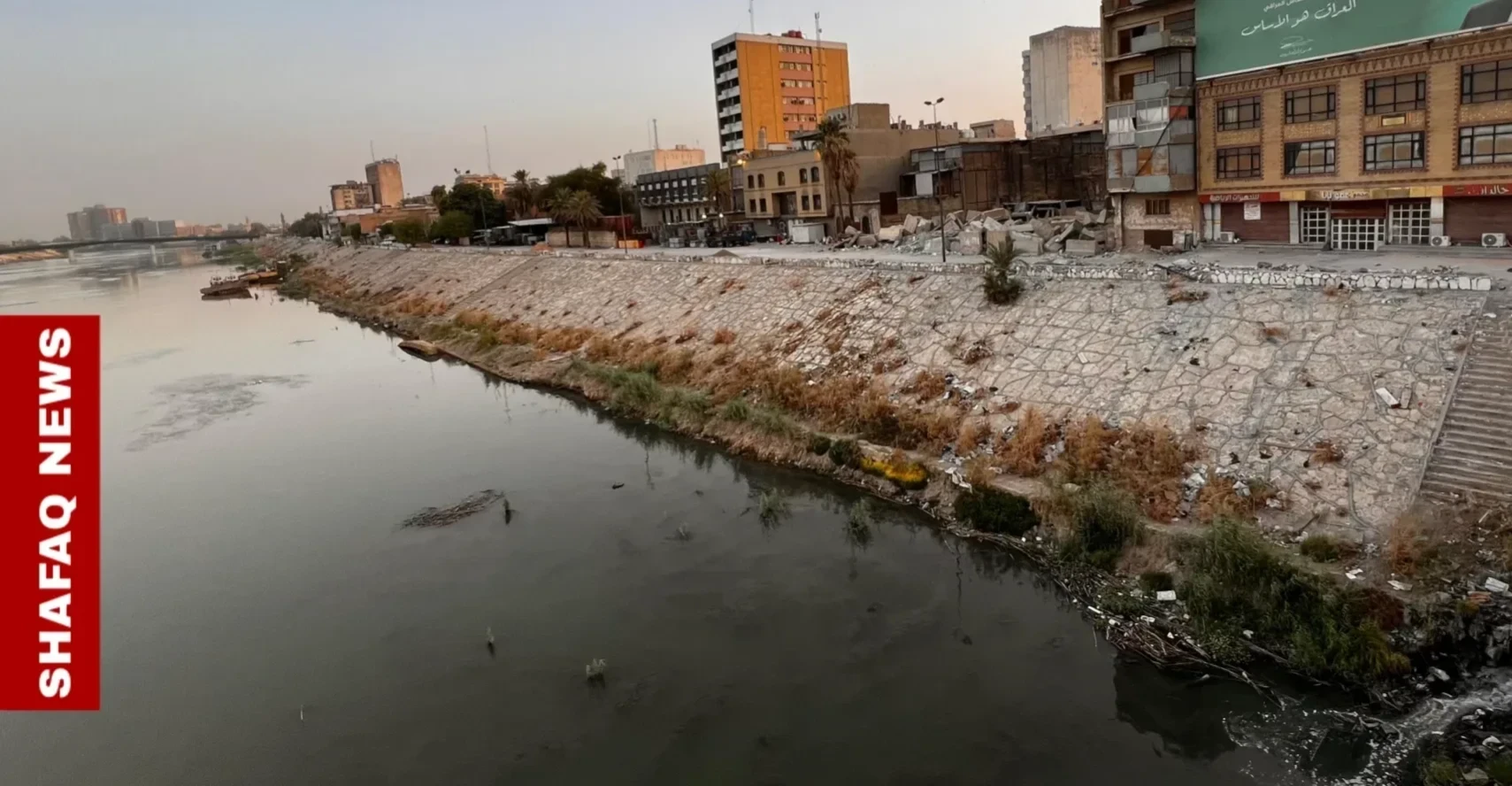
Water Pollution Crisis in Iraq: An Urgent Call for Action
Iraq is facing a severe water pollution crisis, with nearly six million cubic meters of wastewater flowing into the Tigris and Euphrates rivers daily. This alarming statistic, highlighted by lawmaker Ghaith Shabaa, reveals a growing environmental catastrophe exacerbated by prolonged drought and climate change. The flow of pollutants has risen sharply, reducing the natural ability of these rivers to dilute harmful substances, thereby jeopardizing the country’s water supply, agriculture, and ecosystem.
The Alarming State of Water Quality
Recent inspections and laboratory analyses have unveiled dire pollution levels in Iraq’s rivers. Samples taken from treatment facilities have consistently demonstrated unsatisfactory results for safe human consumption. Investigations by the parliamentary Health Committee indicate an absolute failure rate of wastewater treatment in certain areas, including Maysan (100%), Al-Muthanna (99%), and Basra (97%). These alarming figures have prompted calls for urgent government intervention to tackle the emerging health crisis.
Unmanaged wastewater is a significant contributor to this environmental calamity. Global studies show that not only is ordinary sewage flowing into these vital rivers, but also medical and industrial waste that contains hazardous chemicals and pathogens. Moreover, the existing treatment facilities are ill-equipped to handle this cocktail of contaminants, leading to ongoing pollution and public health risks.
Pollution Pathways and Consequences
Contaminated water does not simply remain in one location; it travels downstream, affecting irrigation systems and spreading health risks widely. One of the primary routes for pollution is through the Diyala River, which has seen an influx of waste due to inadequate projects that have failed since the early 2000s. This underscores the systemic weaknesses in Iraq’s wastewater management, as contaminated runoff makes its way to the Tigris, amplifying the issue.
The Green Iraq Observatory has reported that insufficient wastewater treatment leads to around 500 permanent pollution sources along the Tigris River. Major cities like Baghdad show distinct signs of this crisis, where contaminated outlets are often linked to residential areas, industrial activities, and health care facilities. This unremitting issue is compounded by the fact that pollutants including heavy metals like mercury, lead, and cadmium are entering the food chain through irrigation practices, thereby increasing public health risks significantly.
Need for Comprehensive Solutions
Experts in water security emphasize that addressing pollution requires a multi-faceted approach. Ramadan Hamza, a specialist in water strategy and climate change, argues for a strategy that involves intercepting wastewater before it reaches rivers and improving sewage treatment facilities. This includes ongoing monitoring from the source of the water supply to its points of use.
Policy-makers should also embrace the “polluter pays” principle, imposing fines and penalties on industries and individuals responsible for water contamination. Enhanced coordination between various ministries—including those of Water Resources, Environment, and Health—is vital to create a coherent national strategy for tackling this escalating crisis.
The challenges of water pollution and scarcity threaten not just the ecological balance, but also the health and livelihoods of millions within Iraq. By implementing strategic interventions and fostering public awareness, the government can begin to rectify this ongoing crisis, securing safe and clean water for all citizens.