
Kurdistan’s Budget Negotiations with Baghdad: A Call for Unity
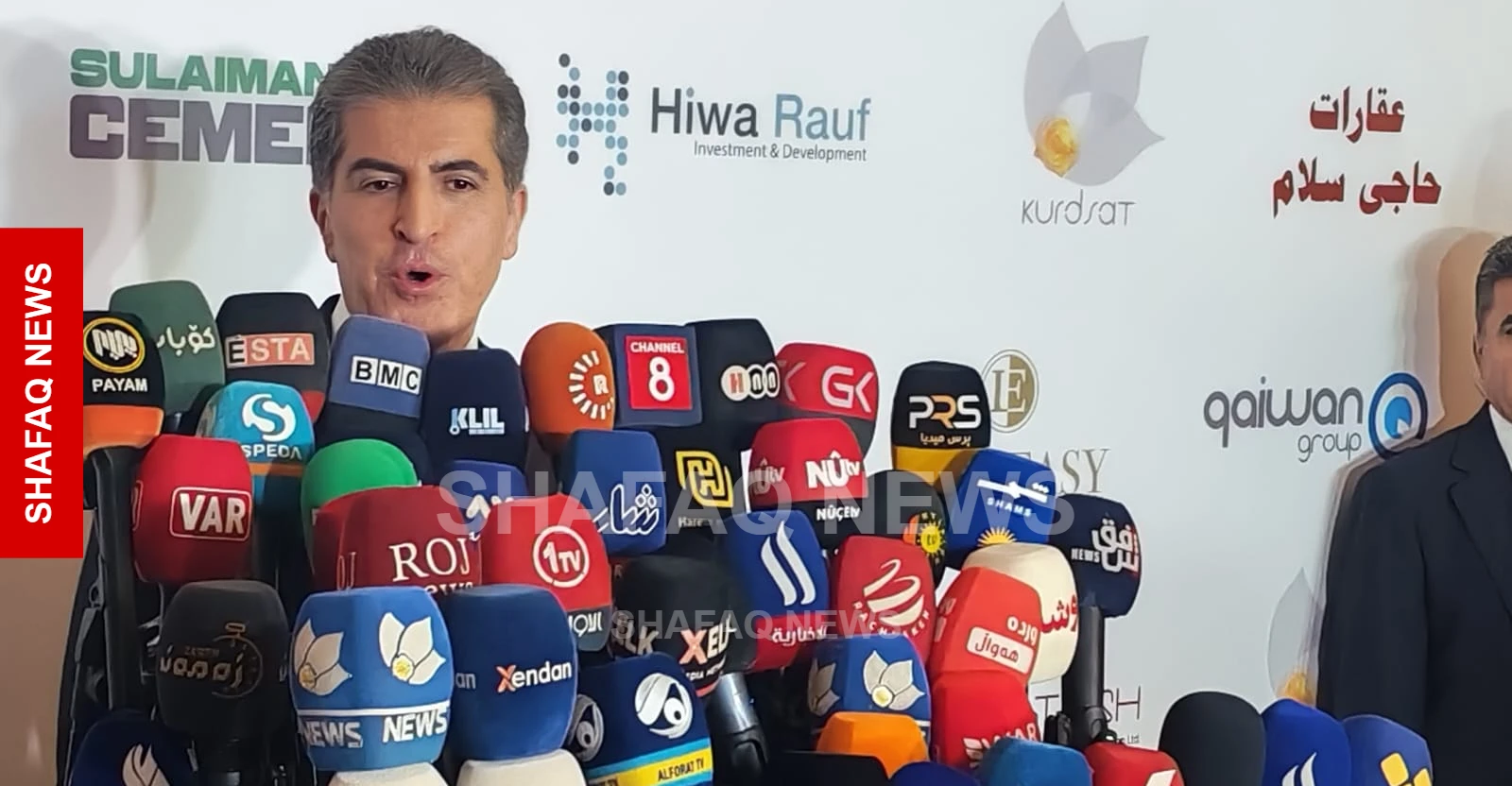
In a recent press conference, President Nechirvan Barzani highlighted the need for improved coordination between Baghdad and Erbil regarding the allocation of the Kurdistan Region of Iraq’s (KRI) share in the upcoming 2027 federal budget. Barzani characterized the current technical discussions as inadequate and emphasized the importance of a collaborative approach moving forward.
Calls for Direct Coordination
During his remarks, Barzani urged both the KRI and federal government institutions to join forces to ensure that the KRI’s full share is reflected in the federal budget. The ongoing negotiations, which commenced at the committee level, appear insufficient to address the complexities of the budget formation process. Barzani’s request for direct coordination aims to enhance the effectiveness and efficiency of these discussions, ultimately securing a fair allocation for the KRI.
As the budget draft heads toward the Iraqi Parliament, Barzani is keen on establishing a clear framework for collaboration. He insists that both sides must work closely to eliminate any potential obstacles that might hinder the KRI’s financial provisions.
Concerns Over Financial Deficits
With a projected deficit of $45 billion looming over Iraq’s draft 2027 budget, the urgency for an agreement between Erbil and Baghdad has intensified. Barzani’s concerns are not only about securing financial resources for the KRI but also ensuring economic stability within the region as a whole. Without a mutually agreeable budget, both entities risk facing financial turmoil that could have far-reaching repercussions.
In the light of these financial concerns, Barzani reiterated the necessity for the Kurdistan Regional Government to be actively involved in the budgeting process. A transparent and inclusive dialogue is crucial in safeguarding the interests of the KRI, while also fostering unity among the Iraqi government.
Efforts to Form a New Government
Shifting focus to political developments within the KRI, Barzani expressed optimism regarding the ongoing negotiations between the Kurdistan Democratic Party (KDP) and the Patriotic Union of Kurdistan (PUK). These two dominant political parties are currently engaged in dialogues aimed at forming a new Kurdistan Regional Government. Barzani hopes that these discussions will yield productive outcomes that benefit all communities within the KRI.
The talks are seen as a pivotal step forward in establishing a coherent and functional government that can effectively address the pressing issues facing the region. By fostering understanding and compromise, Barzani believes that both parties can work together for the greater good of the KRI.
Conclusion: A Path Forward
As negotiations between the KRI and the federal government continue, the urgency for direct coordination has never been more important. The future of the KRI and its economic health depends on the ability of both sides to agree on budget allocations that reflect the region’s needs. Additionally, forming a stable and cooperative government within the KRI is essential for navigating these challenges effectively.
Barzani’s calls for collaboration resonate strongly in the current political climate, as unity remains vital for the region’s progress. By prioritizing open discussions and building strong partnerships, both Erbil and Baghdad can work toward a more secure and prosperous future for the Kurdistan Region.