
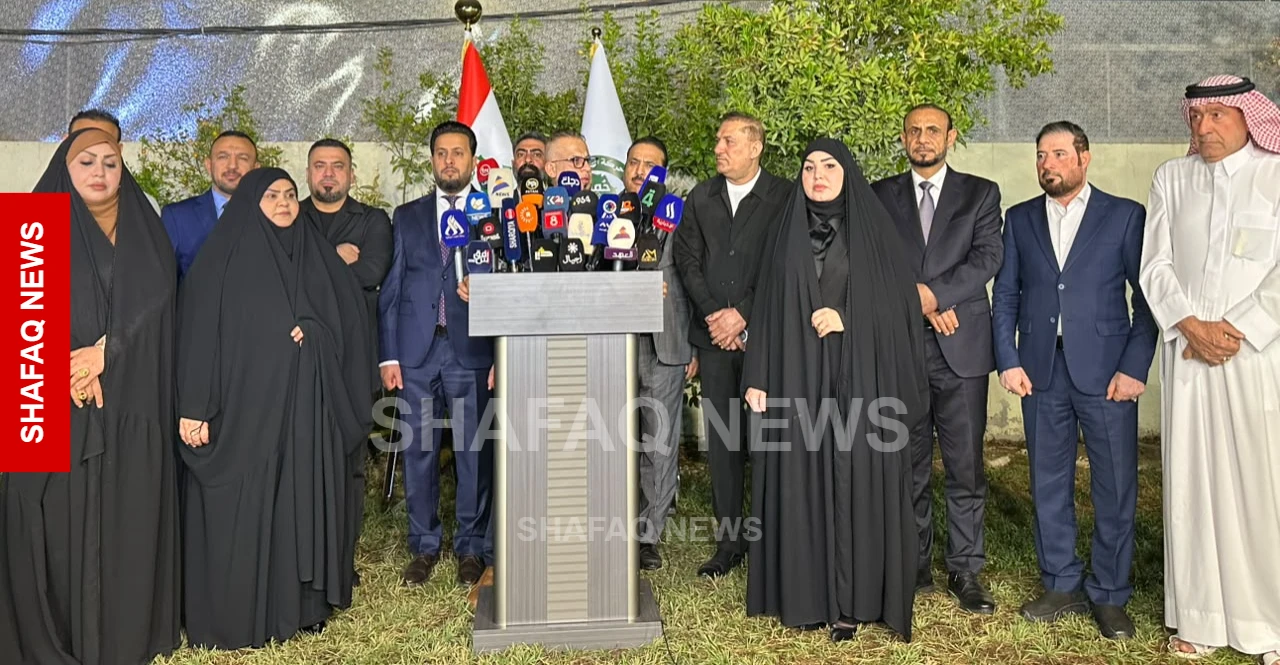
Iraq is currently grappling with a fuel crisis that has persisted for nearly a month, prompting parliamentary scrutiny of Oil Minister Bassem Mohammed al-Abadi. The Sadiqoon parliamentary bloc, led by Uday Awad, is questioning the minister’s management of the situation, attributing the ongoing shortages to administrative failures within the Ministry of Oil. This crisis has caused significant disruptions in various sectors, affecting both industries and everyday commuters.
Parliamentary Action on Fuel Shortages
During a press conference, Uday Awad expressed the bloc’s dissatisfaction with al-Abadi’s previous answers regarding the fuel crisis. He highlighted the contradictions between Iraq’s status as a major oil-producing nation and the persistent supply shortages that have resulted in long queues at gas stations and disrupted factory operations. Awad went further to label the situation a “crime,” underlining the urgency for accountability and action within the Oil Ministry.
Despite earlier requests for al-Abadi to address parliament, Sadiqoon has found his responses unsatisfactory. Awad revealed that more than 60 lawmakers initially signed on to support a request to question the minister, though the proceedings were halted for unknown reasons. This reflects the significant public and political frustration surrounding the crisis, which has also ignited protests across several provinces.
Public Response and Protests
The fuel shortages have triggered public outcry, leading to demonstrations in various regions of Iraq. For instance, farmers in Karbala protested against rising diesel prices and limited supply, while residents in Al-Muthanna expressed their discontent over escalating fuel costs. These protests underscore the widespread economic impact of the fuel crisis, particularly for sectors reliant on diesel and gasoline for operations.
Hectic scenes at filling stations have become commonplace as motorists wait hours for access to fuel. The Oil Ministry explained that domestic diesel consumption has outstripped production, particularly during peak summer demand. This shortfall has compounded frustrations and raised concerns about the government’s ability to manage essential resources effectively.
Challenges in Fuel Supply and Import Issues
The situation is further complicated by external factors that have hindered fuel imports. The Oil Ministry has pointed to regional tensions affecting tanker movements as a crucial reason behind recent gasoline shortages. Additionally, it reported that the average gasoline consumption hovers around 33 million liters per day, with spikes up to 38 million during high-demand periods. Such statistics illustrate the magnitude of the consumption challenges Iraq is facing now.
The Iraqi government is under mounting pressure to address these supply issues urgently. As the country seeks to stabilize its fuel supply, citizens are left anxiously waiting and hoping for effective solutions. The potential introduction of alternative energy solutions or reevaluation of pricing may also emerge as topics for serious discussions in the coming days.
In conclusion, Iraq’s current fuel crisis highlights critical governance and economic issues that need addressing. As political parties intensify scrutiny and public protests continue, the pressure mounts on the Oil Ministry to resolve these shortages and restore public confidence in its capabilities.