
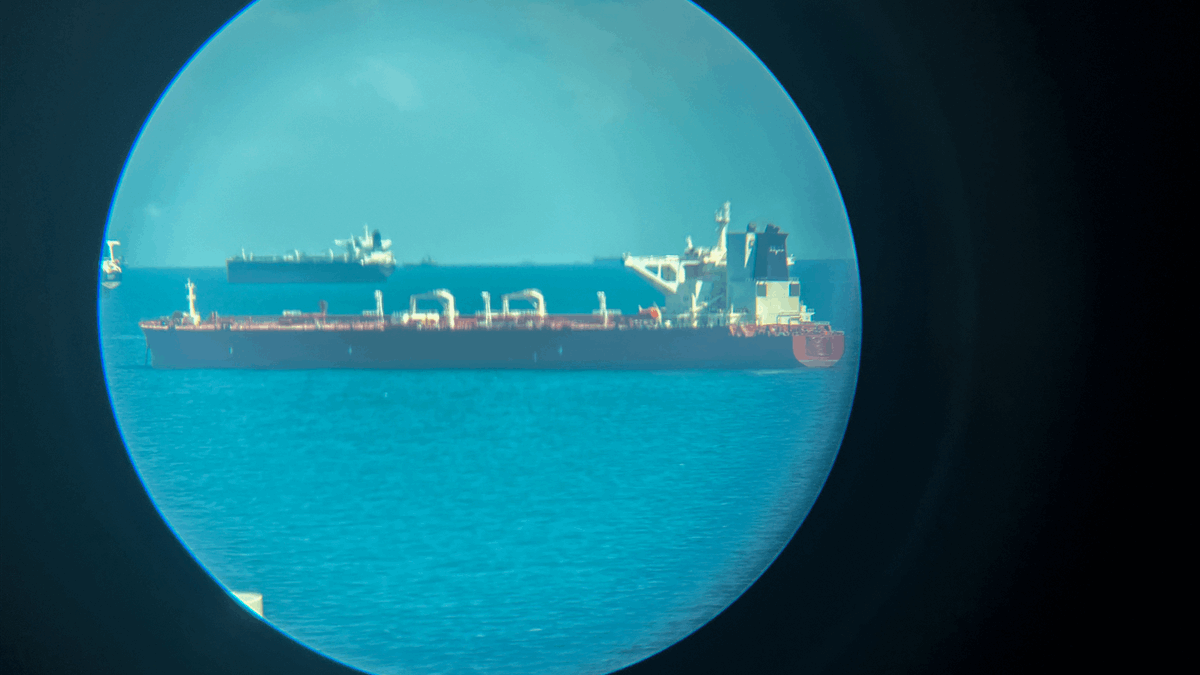
Iraq is actively strengthening its oil export capabilities by procuring more tankers. This initiative aligns with the country’s broader strategy to gain better control over its oil shipments, particularly through the strategically significant Strait of Hormuz.
The Importance of the Strait of Hormuz
The Strait of Hormuz holds immense strategic value as a critical passageway for global oil transportation. It serves as the conduit for approximately 20% of the world’s oil supply, making it a focal point for countries reliant on oil imports. Due to its narrowness and geopolitical tensions in the region, the strait often faces risks from military activities and piracy. Consequently, nations with significant oil reserves like Iraq are keen to secure their export routes to minimize disruptions and bolster their economies.
Iraq’s Expanding Oil Export Strategy
In response to the pressing need for reliable transport, Iraq plans to enhance its maritime capabilities by chartering several additional tankers, with two set to arrive imminently. This move is part of a larger scheme to develop a more autonomous oil transport framework. By increasing the number of dedicated vessels, Iraq aims to mitigate risks associated with relying on external shipping companies and bolster its oil transportation efficiency. This approach also demonstrates Iraq’s determination to expand its influence in the global oil market, capitalizing on its substantial reserves.
Recent Developments in the Oil Sector
Iraq’s recent efforts come at a pivotal time when international oil prices are highly sensitive to geopolitical shifts and supply chain disruptions. By investing in its fleet of tankers, Iraq is taking proactive measures to secure its exports amid ongoing tensions in the region. Enhanced control over shipping logistics can yield significant long-term benefits, including better pricing, reduced costs, and increased revenues from oil sales. As global demand for oil continues to fluctuate, these strategic moves position Iraq to remain competitive and resilient in the face of market challenges.
Conclusion
Iraq’s commitment to improving its oil export logistics through the acquisition of additional tankers reflects a strategic vision aimed at navigating the complexities of the global oil market. Protecting shipping routes, particularly through the Strait of Hormuz, is crucial to ensuring the stability of oil supplies. By enhancing its maritime resources, Iraq not only aims to safeguard its economic interests but also hopes to assert its role on the global stage as a key player in the oil industry. As this situation evolves, the implications for both Iraq and the global energy landscape will be significant.