
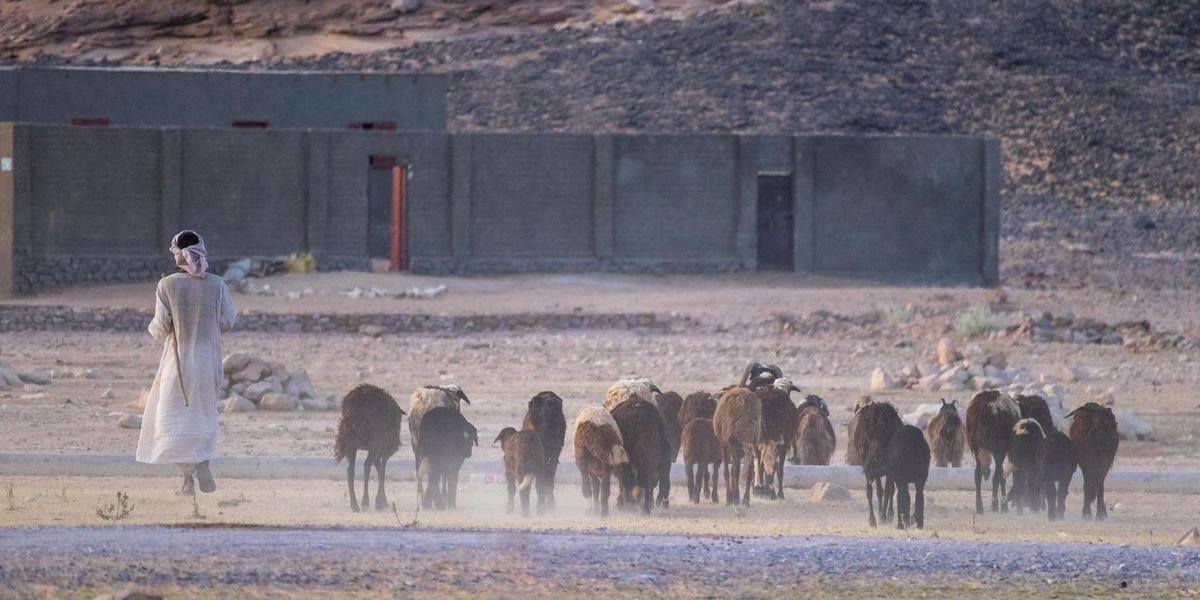
It’s hard to overstate the discomfort felt by Iraqi leaders regarding the recent discovery of secret Israeli military bases on Iraqi soil. These clandestine operations, which sparked outrage, were unearthed when a local shepherd stumbled upon one in the remote western desert and subsequently reported it to authorities—only to lose his life at the hands of Israeli forces shortly after.
The Implications of Foreign Military Bases
The existence of any foreign military outpost within a country’s borders, without its consent, is inherently problematic. In the case of Iraq, this situation is further complicated by the fact that the bases in question are Israeli. This is particularly sensitive for Arab nations due to the long-standing Israeli occupation of Palestinian territories and the ongoing humanitarian crisis in Gaza, which many international scholars and human rights organizations have labeled as genocide. This historical backdrop significantly heightens the tension surrounding the Israeli presence in Iraq.
Purpose and Concerns of the Israeli Bases
The Israeli bases reportedly serve as operational launch points for potential military actions against Iran, escalating regional tensions and directly implicating Iraq in the broader U.S.-Israeli conflict. The situation has already seen repercussions for Iraq, which has been inadvertently drawn into confrontations between the U.S. and Iran. For instance, Iran launched missile attacks on Iraqi bases housing American troops as retaliation for the assassination of a key Iranian military figure, Qassim Soleimani, in 2020.
Moreover, the ongoing U.S.-Israeli military campaign has led to increased Iranian strikes targeting U.S. affiliations in Iraq, along with Saudi airstrikes against Iranian-backed militias within Iraqi territory. This cyclical violence not only jeopardizes Iraq’s sovereignty but has profound economic implications as well. The onslaught has severely interrupted Iraq’s oil exports through critical shipping routes, contributing to economic instability that exacerbates its existing vulnerabilities.
Geopolitical Consequences and U.S.-Iraq Relations
Despite attempts by Iraq to navigate the complex web of U.S. and Iranian interests, the revelation of the Israeli bases undermines its ability to balance these relationships. The Iraqi government faces immense pressure from Washington to curb Iranian influence, particularly in light of pro-Iranian militia activity within the country. Recent steps taken by the U.S., like halting funding for Iraqi security services, further complicate matters. Iraqi leaders are increasingly aware that public sentiment may not align with U.S. expectations, making them less inclined to favor American interests, especially following the shock of Israeli incursions into their territory.
The historical memory of the Iran-Iraq war, which cost countless lives and left lasting scars, serves as a deterrent for Iraq and Iran alike. Iraqi leaders must acknowledge the deep-seated concerns that arise from the establishment of Israeli bases aimed at undermining Iran. These bases could threaten Iraq’s stability, perhaps even prompting retaliatory measures from Tehran.
In addition to Iraq, other Arab nations are watching closely. The current U.S.-Israeli partnership raises questions about the reliability of security arrangements in the region, particularly as Gulf states find themselves more often targeted than protected. The uncertainty surrounding undisclosed military activities complicates the already fragile trust in U.S. alliances.
In conclusion, the secret Israeli bases in Iraq epitomize the complexities of foreign intervention and the multifaceted challenges that come with geopolitical alliances. The ramifications of this situation stretch beyond Iraq, impacting regional stability, U.S. foreign policy, and security dynamics across the Middle East.