
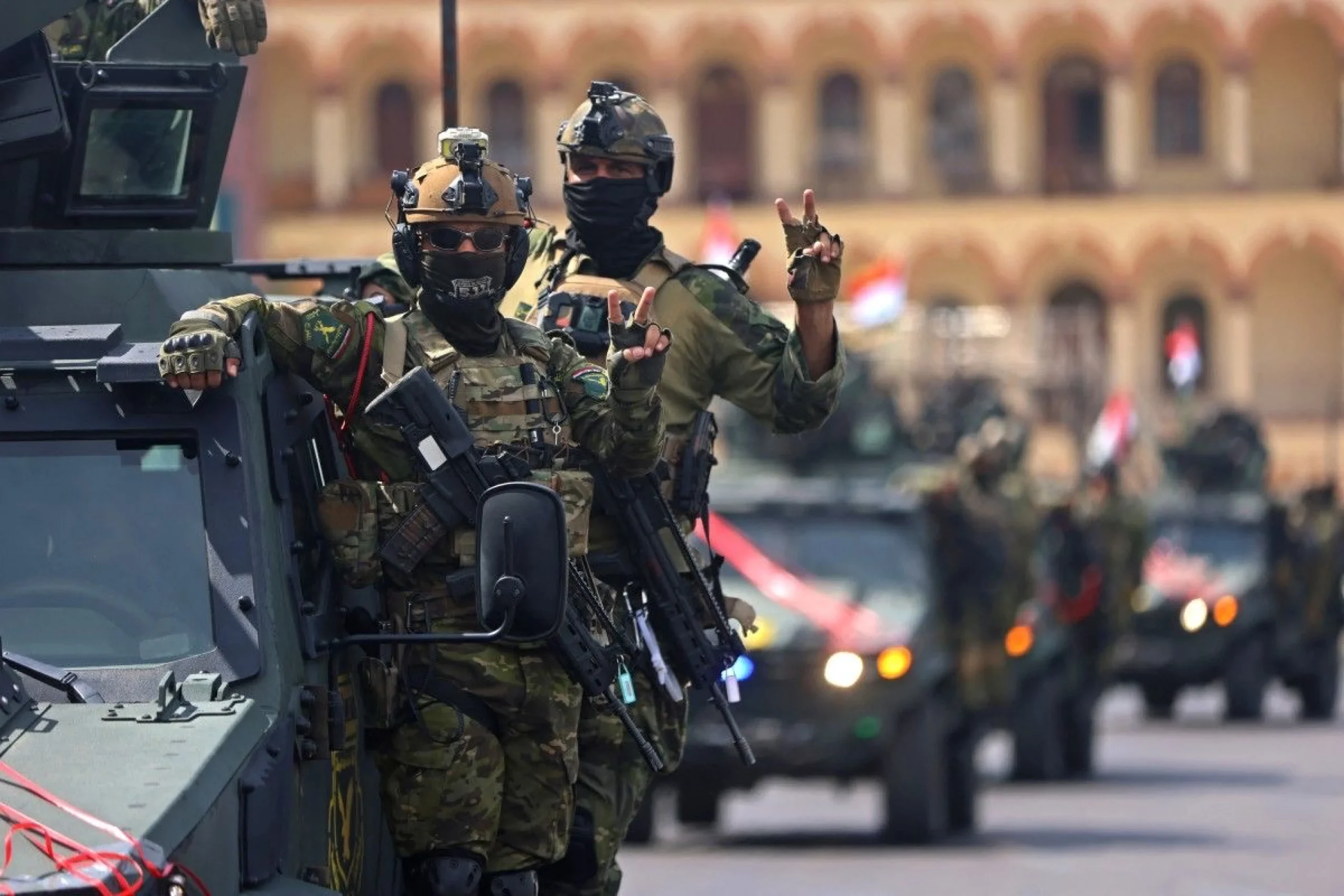
The situation in Iraq is evolving as the United States withdraws its troops once again. This recent departure comes on the heels of the complicated and tumultuous exit from Afghanistan that captured global attention. While the rapid pullout from Afghanistan was marked by chaos and uncertainty, the current withdrawal from Iraq appears to be more organized; nevertheless, it raises significant questions and implications for the region.
Understanding the Context of the Withdrawal
The decision to withdraw American forces from Iraq marks a significant shift in US foreign policy. Unlike the hasty retreat from Afghanistan, which was plagued by logistical failures and dramatic scenes at Kabul’s airport, the withdrawal from Iraq seems to be more structured. This difference could stem from lessons learned during the Afghanistan pullout, highlighting the importance of strategic planning and communication. However, the American exit is not without its own challenges, especially in terms of political stability and security within Iraq.
Furthermore, this withdrawal comes at a time when Iraq is still navigating an array of complex issues, including sectarian tensions and the threat of extremist groups. The vacuum left by American forces has the potential to exacerbate these vulnerabilities, creating a precarious situation for both Iraq and its neighboring countries. As the US’s military presence diminishes, it raises concerns about the capacity of Iraqi security forces to maintain order and combat any resurgence of militant factions.
The Implications for Regional Security
The implications of this withdrawal extend beyond the borders of Iraq. The US exit could embolden neighboring states, particularly Iran, which has vested interests in influencing Iraq’s political landscape. As the Iraqi government grapples with the challenges of governance and security, Iran’s involvement may escalate, potentially destabilizing the region further. The balance of power in the Middle East is shifting, and the implications of a reduced American presence could reverberate for years to come.
Moreover, extremist groups, including ISIS, could look to exploit the situation created by the withdrawal. Although the organization has weakened considerably, the void left by the US military may offer an opportunity for these factions to regroup or gain momentum. The international community must remain vigilant to ensure that Iraq does not become a breeding ground for terrorism once more.
The Future of US-Iraq Relations
As the US shifts its focus away from military engagement, it’s crucial to consider the future of diplomatic relations between the two countries. Economic and political collaboration will be essential in supporting Iraq’s aspirations for stability and growth. The emphasis may need to shift towards non-military forms of assistance, including development aid, training, and intelligence sharing.
Engaging with Iraqi leaders to forge strong diplomatic ties could help oversee a transition towards a self-sustaining governance model. Continued American support for institutional development can potentially aid Iraq’s efforts in combating corruption and improving public services, fostering a healthier political environment.
In conclusion, while the US withdrawal from Iraq appears more orderly than the exit from Afghanistan, it remains fraught with potential challenges. The future landscape of Iraq and its impact on regional security will heavily depend on how both nations navigate this critical juncture. The consequences of this withdrawal will likely shape not only Iraq’s immediate fate but also the broader dynamics of the Middle East.