
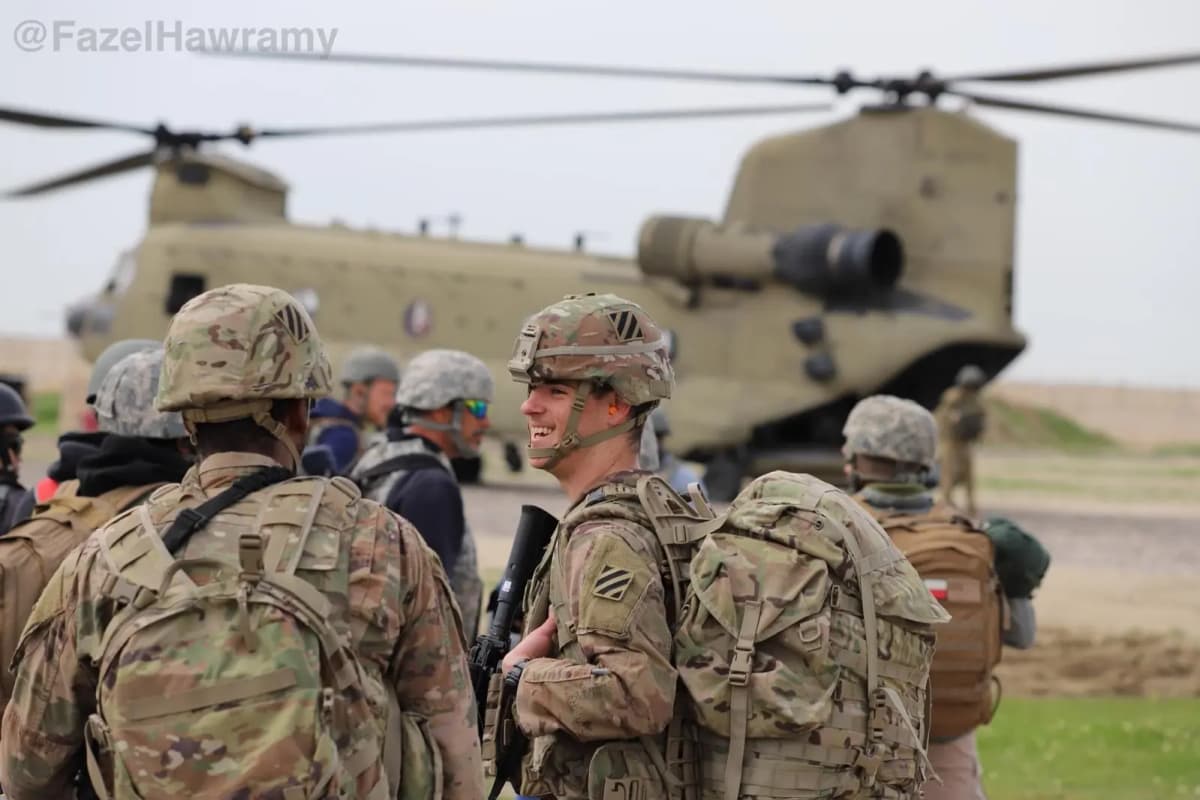
The United States remains steadfast in its decision to withdraw military forces from Iraq by the end of September. The State Department has reiterated its commitment to adhere to the agreed timeline for concluding coalition military operations within the country. This withdrawal is not only symbolic of a shift in U.S. military involvement but also reflects the evolving capabilities of Iraqi security forces.
Scheduled Withdrawal of U.S. Forces
Officials have confirmed that the U.S. is diligently working on its withdrawal plan, aiming for a smooth transition away from military operations in Iraq. The spokesperson emphasized, “We remain focused on implementing the withdrawal of US military forces from Iraq by September 30” in line with the announcement regarding the conclusion of Operation Inherent Resolve. This upcoming withdrawal is less than two weeks away, indicating the urgency and seriousness of the planned transition as the Iraqi government seeks to consolidate control over armed groups operating within its borders.
Enhancing Iraqi Sovereignty
The U.S. has indicated that this transition is a testament to the strengthening capabilities of Iraqi forces, including the Kurdish Peshmerga. The decision to withdraw coalition forces signifies a new chapter in U.S.-Iraq relations, emphasizing the trust Washington places in Baghdad’s leadership. In support of this, the United States has expressed its backing for Prime Minister Ali al-Zaidi’s efforts to uphold Iraqi sovereignty, especially as his government embarks on a new direction aimed at maintaining stability within the country.
Challenges in Weapon Control
One of the primary goals of the Iraqi government under al-Zaidi is to bring firearms and military equipment under state control. This initiative is particularly crucial considering the presence of various armed factions within Iraq, some of which have expressed a willingness to cooperate while others remain resistant. Groups like Kata’ib Hezbollah and others cite the foreign military presence in Iraq as a condition for their reluctance to conform to disarmament requests. Despite the challenges, the Iraqi government is in discussions with these groups to find a resolution that promotes peace and stability.
Future Directions
The planned withdrawal by September 30 ties into a larger narrative surrounding Iraq’s journey toward self-governance and national security. Iraqi security advisor Qasim al-Araji noted that there is currently “no deadline” for completing the weapons control process. The focus remains on fostering dialogue with armed groups in a constructive atmosphere, aiming for cooperation rather than conflict.
The anticipated U.S. military withdrawal is part of a strategic pivot from combating the Islamic State (ISIS) to establishing a lasting security relationship between Washington and Baghdad. This development is consequential not only for Iraq but for the stability of the region as a whole, as both the U.S. and Iraq work towards a mutually beneficial partnership built on respect and cooperation. The coming weeks will be critical as Iraq attempts to navigate these challenges while paving the way for a more self-reliant future.