Jerusalem has been witnessing a surge in activity, raising questions about the anticipated departure of secular Jews from the city amid ongoing protests by Haredi groups against entertainment venues operating on Shabbat. The notable increase in traffic during Rosh Hashanah offers a contrasting perspective, particularly observed in neighborhoods like Rehavia-Talbiyeh, where traffic on Friday night saw figures surpassing typical weeknight volumes.
### Increased Attendance at Rosh Hashanah Services
Attendance at Rosh Hashanah services at the Great Synagogue outpaced last year’s figures, although notable gaps in seating indicated that the tourism sector has yet to fully rebound. This year featured performances by Cantors Tzvi Weiss and Nissim Saal alongside the synagogue’s choir, expertly led by Eli Jaffe. They incorporated melodies from renowned artists like Shlomo Carlebach and Leonard Cohen, while notable sermons were delivered by key figures, including Ashkenazi Chief Rabbi Kalman Ber and former chief rabbi David Lau. Attendance on Yom Kippur will be a telling indicator of the community’s engagement moving forward.
Before the pandemic, the Great Synagogue was often at full capacity during Yom Kippur, with some congregants resorting to standing in staircases and aisles. This year, the shofar blower’s performance stood out for its clarity and precision, exemplifying the spiritual significance of the occasion. Following the services, congregants participated in the traditional tashlich prayer at France Square, showcasing community spirit even amid the ongoing challenges.
### Shifts in Jerusalem’s Landscape
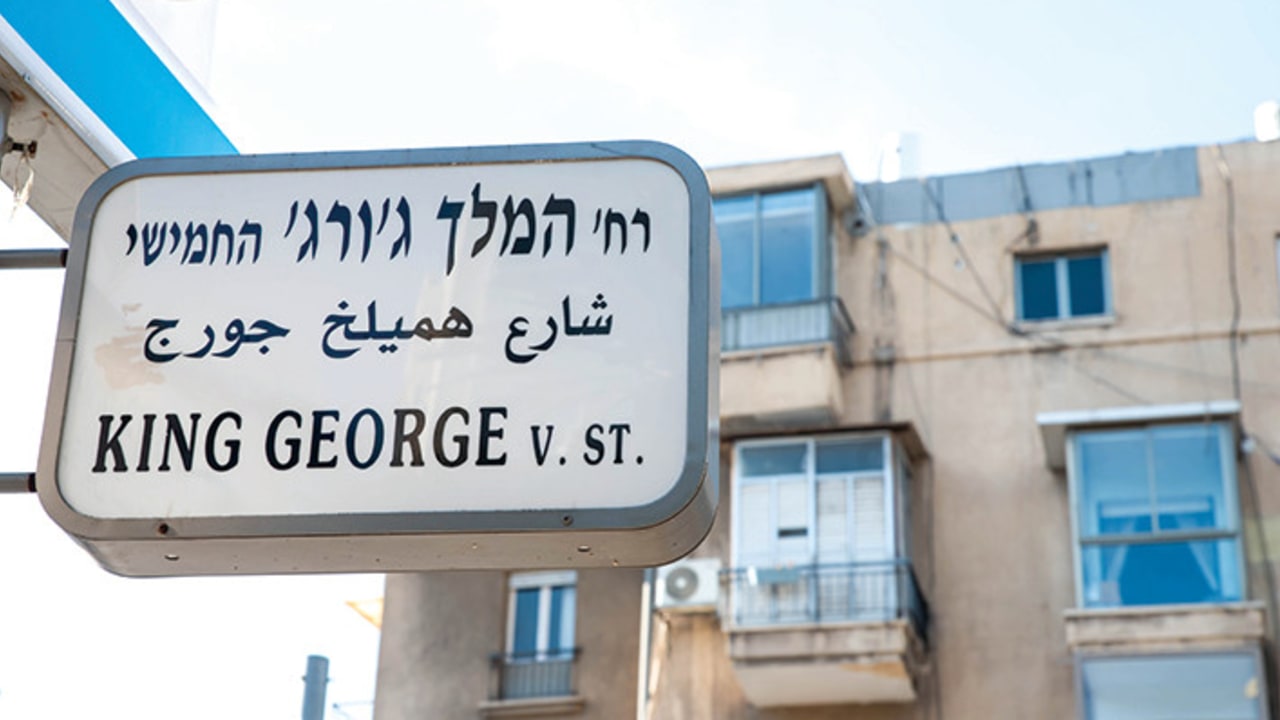
As changes unfold in the city, Deputy Mayor Aryeh King has proposed renaming King George Avenue in response to British governmental decisions regarding Jewish settlements. This initiative is indicative of shifting political sentiments within Jerusalem, particularly in response to foreign policies seen as unfavorable by local leaders. If enacted, this name change would join a historical precedent dating back to 1975, when Haifa renamed United Nations Avenue in a similar demonstration of defiance against external political narratives.
### Ongoing Infrastructure Developments
A year has passed since work began on the extensive light rail infrastructure, which continues to disrupt daily life in central Jerusalem. The Jerusalem District Planning Committee has approved changes to a mixed-use area at the intersection of Hillel and King George, despite widespread protests against the development. This project will entail the construction of high-rise towers, residential units, and various local amenities, but it also poses long-term implications for the skyline and city aesthetics.
Furthermore, residents, including those with mobility challenges, voice concerns that current public transport planning does not adequately address peak-hour needs. Calls for more frequent connections and service improvements aim to enhance accessibility, particularly for those relying on wheelchairs who have faced difficulties during busy times.
### Community Resilience Amid Challenges
In the spirit of resilience, the Shaare Zedek Medical Center recently commemorated medical personnel who have sadly succumbed. This acknowledgment underscores the profound impact of loss experienced throughout many families in Israel due to ongoing conflict. A Torah scroll dedicated in memory of these individuals symbolizes both grief and community solidarity, as families gathered to participate in the ceremonial writing, blending sorrow with moments of joy.
Amidst these developments, new immigrants face their own set of challenges, particularly in finding employment or viable business opportunities. The Association of Americans and Canadians in Israel (AACI) has taken strides to assist newcomers, hosting an upcoming business conference designed to facilitate connections and support for those looking to establish their footing in Israel’s economy.
In conclusion, Jerusalem’s dynamic environment reflects both a city under transformation and a community resilient against various pressures. Whether through increased engagement during religious observance, advocacy for local concerns, or initiatives to support newcomers, the heart of the city beats strongly amid change.