
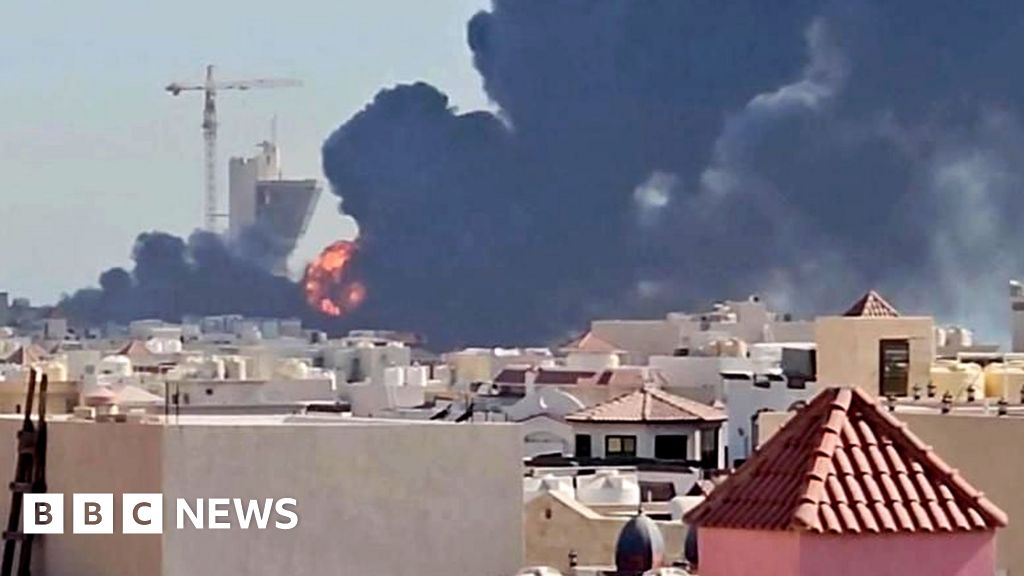
The Gulf Cooperation Council (GCC), comprising Bahrain, Kuwait, Oman, Qatar, Saudi Arabia, and the United Arab Emirates, has expressed significant concern following a recent attack attributed to Tehran. This act has been characterized as an attempt to target civilian infrastructure, raising alarm over potential violations of international law.
GCC’s Stance on Regional Security
The GCC plays a crucial role in promoting stability and security in the Gulf region. Following the recent incident, the alliance emphasized the importance of safeguarding civilian facilities, thereby highlighting the need for adherence to international law. The member states assert that any aggressive actions undermining civilian safety cannot be overlooked and must entail accountability for those responsible.
International Law Implications
The accusation against Tehran underscores broader implications regarding the enforcement of international law. The principles of protecting civilian infrastructure, particularly during conflicts, are well established. Violations may result in international legal repercussions, and the GCC’s assertive response could galvanize greater international scrutiny of Iran’s actions. This situation places Tehran at a crossroads, as mounting pressure could impact diplomatic relations and negotiations in the region.
Regional Geopolitical Dynamics
The evolving geopolitical landscape in the Gulf is marked by increasing tensions, particularly involving Iranian influence. The GCC’s condemnation of the attack signals a collective stance against perceived aggression. Furthermore, it positions the council to engage more actively with global powers in order to articulate their structured approach to regional security. The alliance’s unity is pivotal not only in addressing this incident but also in shaping future policy directions concerning Iran.
Potential for Diplomatic Response
In the face of allegations, the GCC might explore various diplomatic avenues to mitigate tensions and foster dialogue. It’s essential for member states to assess the possible outcomes of maintaining a unified front versus individual engagement with Iran. Crafting a coordinated strategy could ensure that the GCC’s stance not only addresses the recent attack but also paves the way for a more sustainable peace framework in the region.
As the GCC continues to evaluate its response to Tehran, the implications of this situation could resonate beyond immediate regional boundaries. The coalition’s actions may set a precedent for how international law is upheld, particularly in areas vulnerable to military confrontations targeting civilian entities. Moving forward, the active dialogue between GCC states and international partners will be crucial in navigating these complex challenges.