
The ongoing conflict between the United States and Iran has escalated significantly, leading to the deaths of military personnel and increased military actions. Recent airstrikes in response to Iranian aggression have further complicated an already tense situation, threatening to draw in neighboring countries and destabilize the region.
U.S. Military Casualties and Airstrikes
The U.S. military has confirmed the death of a service member in Iraq during a controlled detonation involving a downed Iranian drone. This incident follows the killing of additional U.S. troops in Jordan, prompting a series of retaliatory strikes against Iran’s paramilitary forces. As of now, the military has reported a total of 17 U.S. service members killed since the onset of this conflict. Tensions have been heightened as the U.S. launched airstrikes targeting key infrastructures in Iran, including water desalination plants and electrical facilities, disrupting vital services relied upon by millions.
Iran, in response, has escalated its attacks on U.S.-aligned nations in the Middle East. Countries such as Kuwait, Jordan, and Bahrain have activated their air defenses against incoming Iranian missiles and drones. The situation remains volatile, as missile launches towards Jordan risk spilling over into Israeli territory, thereby potentially widening the conflict.
Impact on Infrastructure and Civilian Life
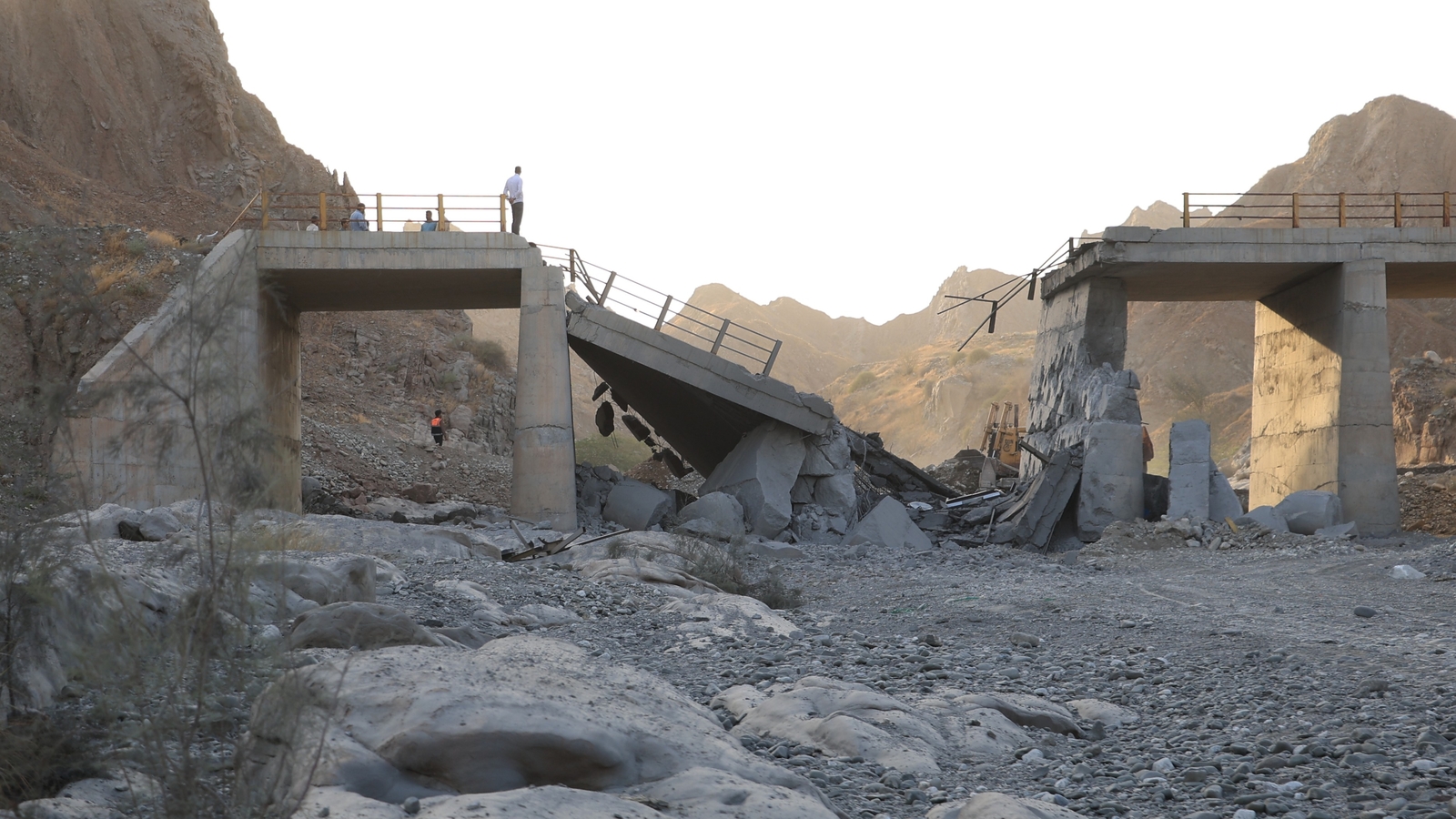
The exchange of fire marks a significant increase in violence; bridges and civilian infrastructures have become prime targets as both sides retaliate against one another. Reports indicate that Iranian missiles have been intercepted by Jordanian defenses, while Israel has warned its citizens of potential air-raid sirens due to the proximity of the conflict. The Secretary-General of the Gulf Cooperation Council has condemned Iran for its direct strikes on civil infrastructure, highlighting the danger posed to civilian life under international law. This situation raises concerns about adherence to humanitarian regulations, as such attacks can be classified as war crimes if they disproportionately affect non-combatants.
Additionally, Iran’s atomic agency claims that recent U.S. airstrikes targeted the construction site of a nuclear power plant. Although this facility was in the early stages of development with no nuclear material present, such actions escalate fears about regional nuclear capabilities.
The Strategic Importance of the Strait of Hormuz
The Strait of Hormuz remains a key focal point in this conflict, serving as a crucial passage for global oil supplies. U.S. President Donald Trump has threatened to take further actions against Iranian infrastructure to disrupt Tehran’s control over this vital waterway. Recently, the U.S. has reimposed a naval blockade, aimed at preventing the shipment of Iranian crude oil. These military maneuvers have reduced maritime traffic significantly, causing disruptions in global supply chains that could have lasting economic implications.
Furthermore, Iranian leaders have issued warnings against continued U.S. attacks, suggesting that such actions could lead to severe repercussions. As international concerns grow, the conflict not only poses threats to regional stability but also has ramifications for global energy markets and international relations.