
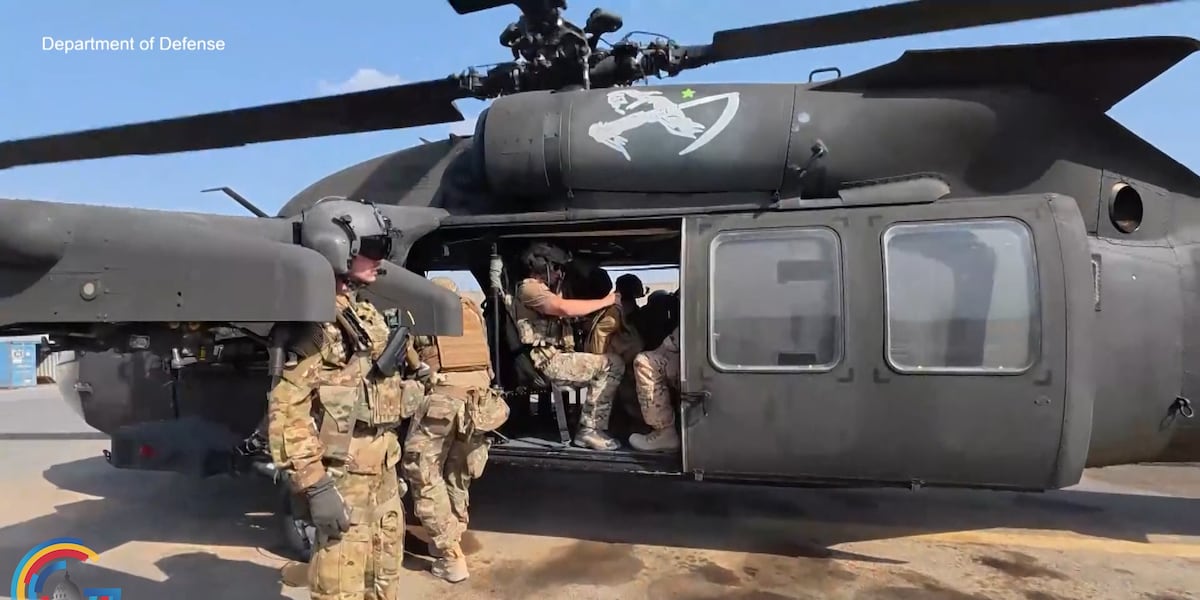
The U.S. military has officially concluded its mission against ISIS in Iraq, marking the end of a 12-year campaign. This significant withdrawal of American and coalition forces represents a pivotal moment, shifting responsibility for national security back to Iraqi forces.
Completion of Withdrawal
On Wednesday, U.S. Central Command confirmed that all military personnel and equipment have departed from Erbil Air Base, which served as the primary operational hub for Combined Joint Task Force-Operation Inherent Resolve. This facility had been home to about 1,500 American and coalition troops involved in counter-ISIS missions. The withdrawal was completed following a transition plan announced collaboratively by the U.S. and Iraq in September 2024, marking the official end of Operation Inherent Resolve in Iraq.
Chief Pentagon spokesman Sean Parnell noted that the completion of this orderly exit signifies the successful end of a military operation that has seen the defeat of ISIS as a formal military threat. He stressed that the shifting responsibility for security to Iraqi forces is a significant development, reflecting a successful lengthy campaign.
History of U.S. Involvement
The conclusion of this military mission also signals the end of a broader chapter in over two decades of U.S. military involvement in Iraq. The United States initially invaded Iraq in 2003 under Operation Iraqi Freedom, resulting in the downfall of Saddam Hussein. Although American troops withdrew in 2011, they returned in 2014 in response to ISIS’s aggressive expansion across much of Iraq and Syria.
Central Command established the Combined Joint Task Force in 2014 to provide advisory support to partner forces engaged in the fight against ISIS. While Iraq declared territorial victory over ISIS in 2017, the U.S.-led mission continued to ensure the group did not regain power.
The Future of U.S.-Iraq Relations
The withdrawal of U.S. forces started in October 2025, culminating with the final removal of personnel from Erbil Air Base. According to CENTCOM Commander Adm. Brad Cooper, ISIS no longer poses a systemic threat to Iraq’s national security. Iraqi security forces, including the Kurdish Peshmerga, now possess the capability to handle internal threats independently.
However, this does not indicate a complete end to the U.S. relationship with Iraq or the ongoing battle against ISIS. The Pentagon has indicated that the wartime coalition mission is evolving into a traditional bilateral defense relationship between the U.S. and Iraq, with the Iraqi government now primarily responsible for managing other security challenges, such as militias aligned with Iran.
Continued Operations Against ISIS
Despite the withdrawal from Iraq, Operation Inherent Resolve itself will persist outside Iraqi borders. The joint task force is now based in Jordan, and U.S. forces will continue counter-ISIS operations in Syria alongside coalition partners and the Syrian government. This ongoing commitment underscores the long-term intention to prevent ISIS from regaining strength and influence in the region.
In a statement reflecting on the withdrawal, former President Donald Trump described the decision as a “decisive victory,” asserting that it was time for American forces to return home. This sentiment captures the broader strategic shift in U.S. military policy in the region, as focus turns from direct involvement to fostering independent security capabilities within Iraq.