
Iraq’s Sovereignty and Foreign Influence
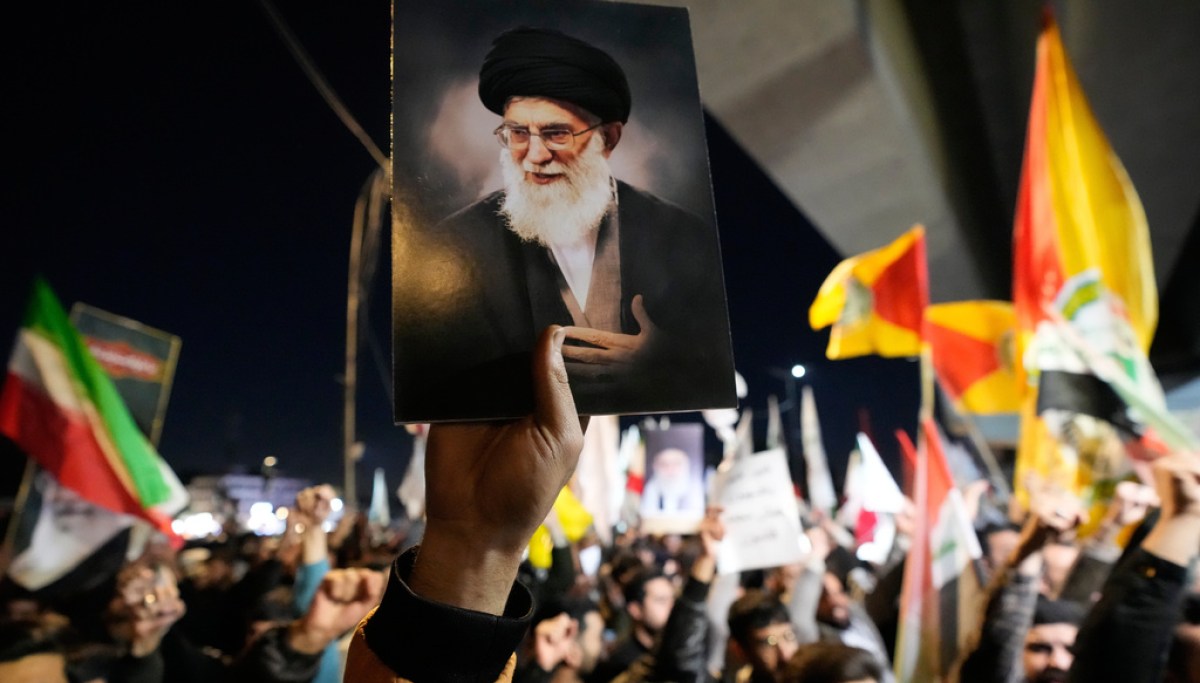
Recent discussions surrounding the scheduled funeral processions for Iran’s late supreme leader, Ali Khamenei, should raise significant concerns among those advocating for Iraq’s independence. The plans for ceremonies set to take place in revered Iraqi cities like Najaf and Karbala illustrate how foreign interests can overshadow the Iraqi state. Such developments highlight the critical need for Iraq’s institutions to prioritize the needs and expectations of its own citizens rather than serve external agendas.
The Implications of Foreign Ceremonies in Iraq
Iraqis have the right to engage in their religious practices and mourn their leaders. However, there is a stark distinction between exercising religious freedoms and utilizing state resources for the interests of a foreign regime. The proposed ceremonies not only symbolically undermine Iraq’s independence but also risk transforming sacred sites into platforms for Iranian influence. These cities hold immense significance for millions of Shiite Muslims worldwide, and allowing them to be politicized could provoke resentment within Iraq’s own populace.
Since 2003, Iraq has endured substantial repercussions due to foreign intervention, particularly from Iran. Tehran has cultivated a powerful network within Iraqi politics, establishing influence through various political parties, armed groups, and economic ties. This strategy allows Iran to exert control without the need for direct occupation. Consequently, Iraqi citizens experience a distorted reality where their own government appears more responsive to Iranian interests than to their immediate needs, such as access to essential services like electricity and clean water.
The Frustration of Ordinary Iraqis
For everyday Iraqis, the disconnect between their government’s priorities and their needs is clear and painful. Many locals are frustrated by a lack of basic services while witnessing their state’s machinery mobilize for external ceremonies. The stark contrast illustrates the troubling dynamics at play: while ordinary Iranians are made to wait, state resources and security measures are readily available for a foreign political agenda. Such scenarios lead to growing frustration and a sense of betrayal among the Iraqi populace.
This situation raises essential questions for the United States as well. With years of investment and support aimed at building a strong, self-sufficient Iraq capable of standing up to extremist threats, it is imperative to reconsider American policy. If Iraqi institutions are being effectively used to advance Iranian interests, the initial objectives of U.S. involvement in Iraq warrant a serious reevaluation. Iraq’s interactions with Iran should be founded on a foundation of fairness and mutual respect rather than unwarranted submission.
Rethinking Iraq’s International Relations
Navigating relationships with neighboring countries is vital for Iraq’s survival. However, that does not justify the subordination of Iraq’s sovereignty to foreign interests, especially those of Iran. Iraq must find a balance that allows for diplomatic engagement without compromising its national identity and governance. Donning the mantle of diplomacy should not equate to acquiescence to outside powers.
Ultimately, the true measure of Iraq’s sovereignty will lie in the actions of its government and institutions. If Iraq chooses to conduct high-profile ceremonies on behalf of Iran as official state events, it will send a troubling message: while Iran’s leader may be deceased, Tehran’s influence over Iraq remains robust. Iraq must safeguard its autonomy and resist becoming merely a puppet in a broader geopolitical struggle. The fabric of Iraqi sovereignty is at stake, and it’s vital for the nation’s leadership to remember who they serve: the Iraqi people first and foremost.